
Samsung Micro RGB TV Wins CES 2026: Display Revolution
Baca dalam 60 detik
- Micro RGB technology eliminates the need for color filters and backlights, using self-emissive RGB LEDs that are mere micrometers in size.
- This architecture delivers a 40% wider color gamut than OLED and 50% higher peak brightness, making it ideal for HDR content and high-ambient-light environments.
- Samsung's manufacturing breakthroughs now allow mass production at 110-inch and larger sizes, targeting luxury home theaters and commercial digital signage.
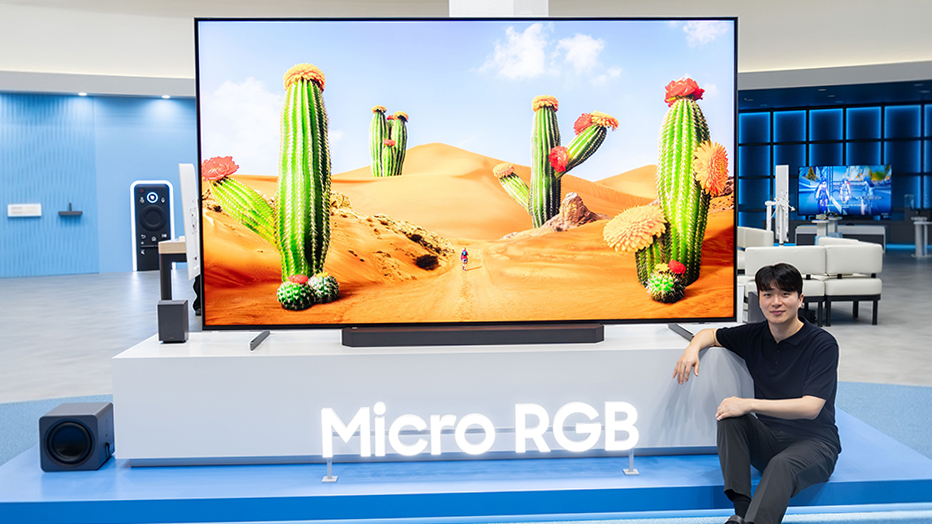
Micro RGB technology eliminates the need for color filters and backlights, using self-emissive RGB LEDs that are mere micrometers in size. This architecture delivers a 40% wider color gamut than OLED and 50% higher peak brightness, making it ideal for HDR content and high-ambient-light environments. Samsung's manufacturing breakthroughs now allow mass production at 110-inch and larger sizes, targeting luxury home theaters and commercial digital signage.
The award recognition validates Samsung's long-term investment in microLED R&D, which began over a decade ago. By leapfrogging OLED and QD-OLED, Samsung creates a proprietary technology moat that competitors like LG and Sony will struggle to cross. Industry analysts project the microLED market will grow to $15 billion by 2030, with Samsung poised to capture over 40% market share.
Samsung's Micro RGB TV also addresses key pain points of existing display technologies: no burn-in risk, 100,000-hour lifespan, and seamless modular scalability. The company plans to expand the lineup to 76-inch and 89-inch models by late 2026, undercutting current microLED pricing by 30%. This aggressive rollout forces TV makers to either license Samsung's technology or risk obsolescence in the premium segment.
Power Move: Samsung's Micro RGB TV isn't just a product win—it's a strategic declaration of display supremacy. By securing CES and TIME accolades, Samsung builds unmatched brand cachet while its manufacturing scale crushes cost barriers. Expect Samsung to license Micro RGB to select partners, creating a new revenue stream while controlling the next-generation display ecosystem.
This article was edited with AI assistance for readability. Read original here.