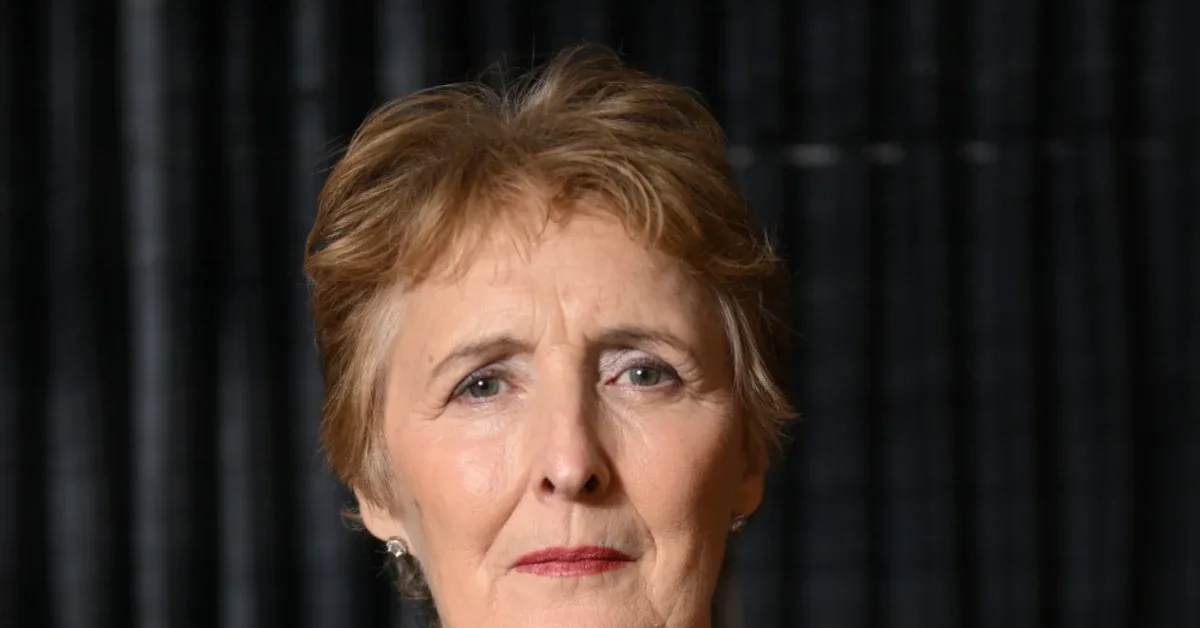
Brosnan and Mirren: On-Screen Chemistry, Real-Life Distance
Baca dalam 60 detik
- Pierce Brosnan dan Helen Mirren mengaku tidak menjalin hubungan sosial di luar syuting meski sering bekerja sama.
- Keduanya berbagi latar teater yang membentuk pendekatan akting dan saling menghormati secara profesional.
- Serial MobLand menampilkan pasangan bos kriminal dengan dinamika rumah tangga yang dianggap relatable oleh penonton.
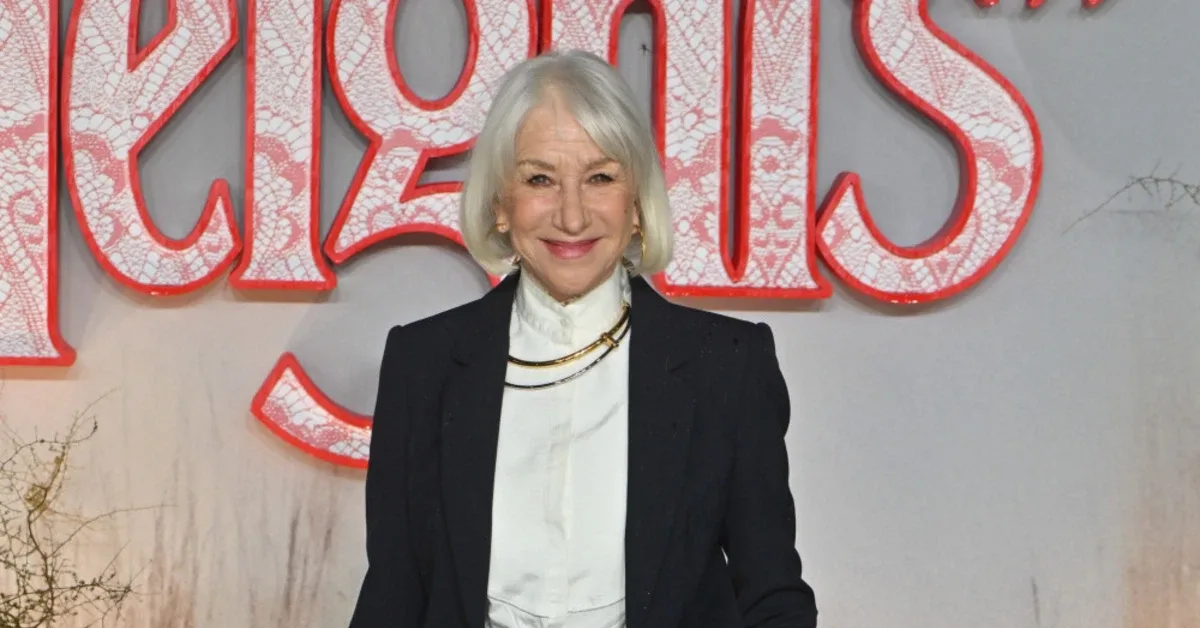
Pierce Brosnan and Dame Helen Mirren, two cinematic giants currently starring together in the series MobLand, have revealed that their closeness is strictly limited to the set. Despite collaborating multiple times, including in the film The Thursday Murder Club (2024), the two do not spend time together outside of work. This admission emerged during an interview with HELLO! UK magazine, shedding light on a different aspect of a creative partnership often mistaken for a close friendship.
In the interview, Mirren (81) stated that she would pay a lot to continue working with Brosnan for the rest of her life. However, she emphasized, "We don't hang out; we don't go to dinner together." Brosnan (73) added that their communication is limited to occasional text messages, such as checking in or asking how summer is going. This statement underscores that a solid professional relationship does not always equate to intense social interaction.
Both admit they enjoy working together, admiring each other's talent. Mirren said she recognized a "true professional" in Brosnan, while Brosnan referred to Mirren as an "actor from the same cloth" because both were raised on the theatre stage. This background creates a shared acting language, facilitating collaboration without much discussion.
In MobLand, the characters Maeve and Conrad Harrigan are depicted as a couple capable of murder and mayhem, yet at home, they are like any ordinary old couple. Mirren explained that the uniqueness of their relationship lies in the contrast between external ruthlessness and internal domestic warmth. "They can go out and commit murder, but at home, they're like an old husband and wife," she said. She cited minor squabbles, such as scattered socks or a belt that's been in the same spot for 20 years. According to Mirren, it is precisely this juxtaposition that makes audiences feel connected.
Brosnan agreed that the dynamic feels familiar. He called it a "little play" amidst a world full of violence and intrigue. "It's like mum and dad at home trying to run a violent empire," he said. He added that violence, deceit, and betrayal have been part of their lives since they were young in Ireland and Dublin. This approach adds depth to characters who might otherwise appear flat if only portrayed as villains.
"I've been quoted as saying I'd pay a lot of money to work with Pierce Brosnan for the rest of my life... Honestly, we don't hang out; we don't go to dinner together." — Dame Helen Mirren
For the entertainment industry, this phenomenon is not new. Many actors share incredible on-screen chemistry without forming close personal relationships. What sets them apart is their ability to still convey convincing emotions. In the context of the Indonesian market, the MobLand series and other Hollywood films are popular viewing through streaming platforms. The unique dynamic of the Harrigan couple has the potential to attract Indonesian audiences who enjoy crime stories with a human touch. Furthermore, the story of professional collaboration without the obligation to socialize can serve as a reflection for the local creative industry, where collaboration often involves different egos and personalities.
Looking ahead, the question is whether a collaboration model like Brosnan and Mirren's will become more common in an era where the lines between work and personal life are increasingly blurred. Or, conversely, will social expectations for colleagues to always be close continue to rise? What is clear is that both prove that respecting another's professionalism can be the foundation for lasting collaboration, without the need to pretend to be friends outside of work hours.