November International Break: Bundesliga and Bundesliga 2 Send Hundreds of Players to National Teams
Baca dalam 60 detik
- Bundesliga dan Bundesliga 2 kembali menjadi pemasok utama pemain untuk timnas di seluruh dunia pada jeda internasional November.
- Laga Nations League UEFA dan CONCACAF, kualifikasi Piala Afrika, serta uji coba di Asia dan Amerika Selatan menjadi ajang pembuktian para pemain klub Jerman.
- Bagi klub, jeda ini menghadirkan risiko cedera dan kelelahan yang bisa memengaruhi performa di kompetisi domestik.
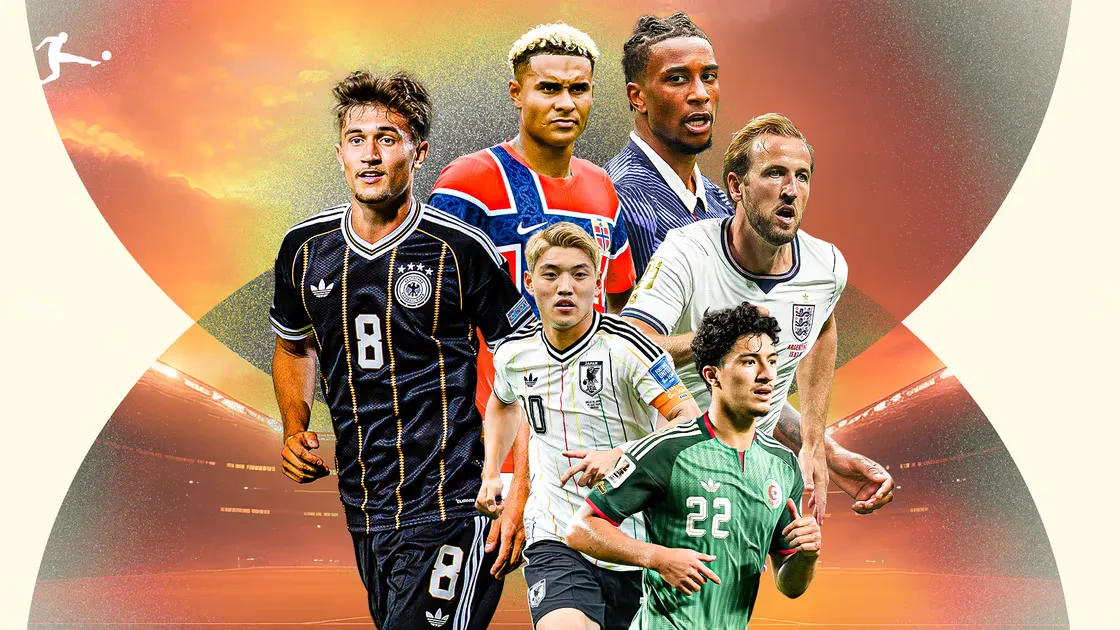
The November international break once again underlines the position of the Bundesliga and Bundesliga 2 as two of the most global leagues. Hundreds of players from both competitions have been called up to represent their countries in UEFA and CONCACAF Nations League matches, Africa Cup of Nations qualifiers, and friendlies in Asia and South America.
These call-ups are not merely routine. For many players, the international break is a stage to show their quality at the highest level while attracting the attention of Europe's biggest clubs. For the clubs that own them, by contrast, the period brings a classic dilemma: the honor of representing one's country versus the risk of injury and fatigue lurking when domestic competition resumes.
The Bundesliga is indeed known as a league that gives ample room to young talent from around the world. The presence of players from Africa, Asia, and Latin America at German clubs makes this international break feel special. The Africa Cup of Nations qualifiers, for instance, are a proving ground for African players plying their trade in Germany. Meanwhile, friendlies in Asia and South America give players from those continents a chance to showcase their ability in front of their respective national team coaches.
Although no Indonesian players currently play in the Bundesliga, the impact of the international break remains relevant to football in the country. The Indonesia national team frequently calls up players competing abroad, and their experience of dealing with a packed schedule and the physical demands of European leagues can be a valuable lesson. Federations and clubs in Indonesia need to learn how to manage player workload so that the interests of clubs and the national team do not overlap.
"The international break is always a test of squad depth. Clubs with many national team players must be prepared to lose them for two weeks, and that can determine the course of a season," said a German football observer, as quoted from a local media discussion.
For national team coaches, this period is also a moment to evaluate players ahead of major tournaments. The Africa Cup of Nations and the Nations League are competitions that demand consistent performances, so Bundesliga players are expected to bring their experience of playing in top European leagues. It is not uncommon for an impressive display during the international break to raise a player's value in the transfer market.
On the other hand, Bundesliga clubs must carefully manage the condition of players returning from national duty. Injuries sustained while representing the national team can cost clubs financially and tactically. Medical teams and fitness coaches therefore work extra hard to restore players before the next domestic match. Some clubs even apply special protocols to monitor the training load of players who have just returned from long journeys.
Going forward, the November international break will remain an inseparable part of the modern football calendar. The question is whether clubs and federations can find a balance between the ambition to achieve success at national level and protecting player health. The answer will be visible in how Bundesliga players perform when they return to strengthen their respective clubs.