
Pochettino on the Brink of Man United Job: Brutal Training Methods to Test Squad's Mentality
Baca dalam 60 detik
- Man United dikabarkan hampir merampungkan kesepakatan dengan Mauricio Pochettino, menggantikan Michael Carrick yang gagal total di awal musim.
- Gaya kepelatihan Pochettino yang menuntut intensitas fisik ekstrem disebut-sebut bakal berbenturan dengan mentalitas skuad Setan Merah yang kerap dituding malas.
- Sejumlah mantan pemain Tottenham mengakui metode Pochettino menyakitkan tetapi efektif, sementara Moises Caicedo justru mengeluh kesulitan beradaptasi.
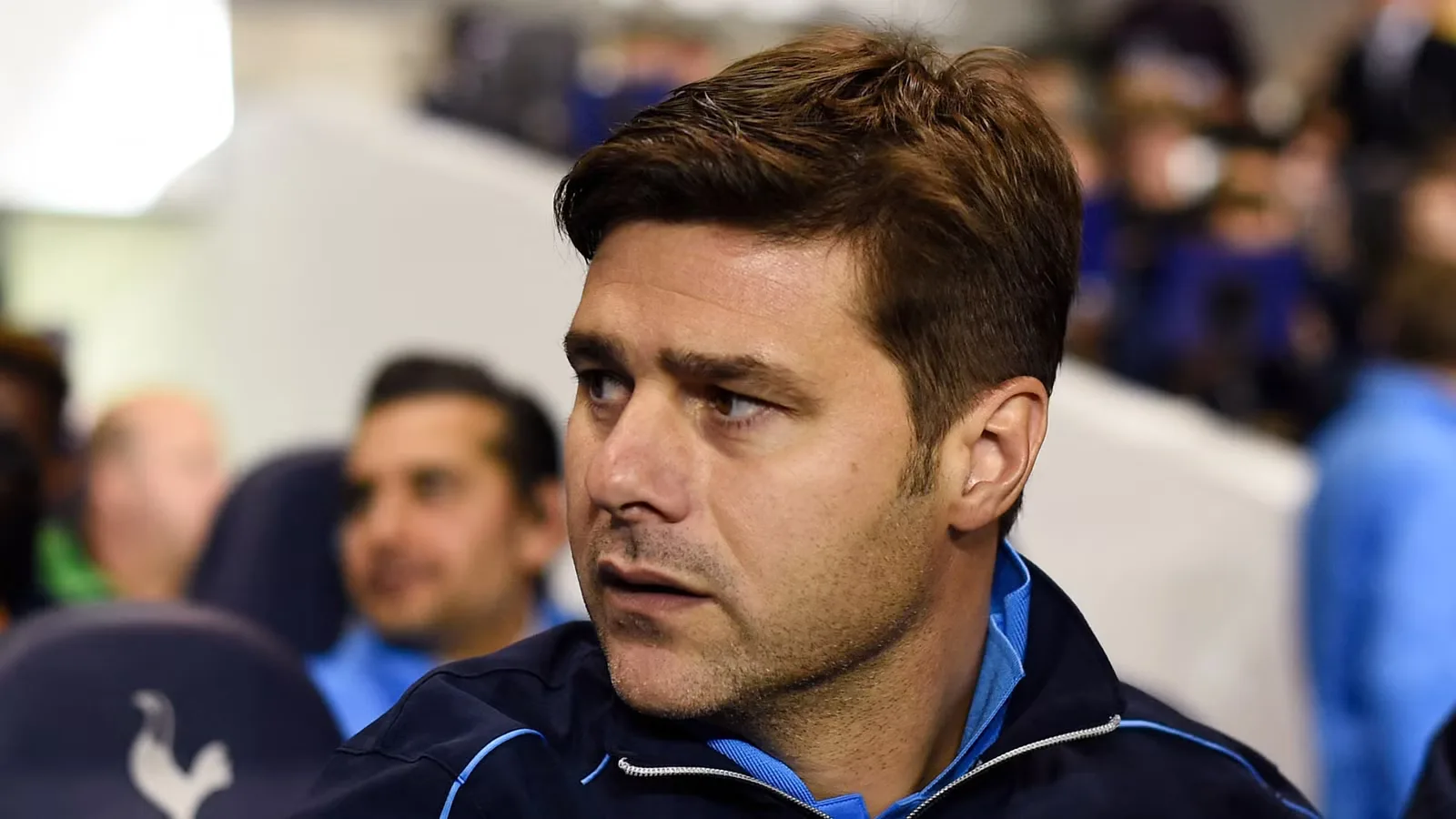
Manchester United are moving quickly toward a new chapter. Mauricio Pochettino is now the leading candidate to take the manager's seat, replacing Michael Carrick, who is judged to have failed to lift the team's performance. A report by trusted journalist David Ornstein says negotiations have reached the final stage, with a release clause of around £7.5 million in Pochettino's contract with the United States national team serving as the main stepping stone. That figure does not include compensation for his coaching staff, but according to Ornstein, the path to Old Trafford is relatively smooth.
United's management decision to turn to Pochettino is not without reason. The team nicknamed the Red Devils managed only one win from their ten opening Premier League matches, the club's worst record in the modern era. Carrick, who had been trusted as interim coach, failed to build a convincing foundation of play. Amid that situation, Pochettino's name emerged as a figure seen as capable of restoring the team's identity, long associated with aggressive pressing and hard work.
However, there is an interesting internal dynamic to note. According to a talkSPORT report, a number of senior United players actually hope the management will choose Unai Emery, the architect of Aston Villa's revival. Emery is considered a better fit for the current squad's character. Unfortunately, that hope seems difficult to realize because Emery is in contract extension talks at Villa Park, making the likelihood of him leaving very small. Pochettino thus becomes the most realistic option.
Pochettino's reputation as a coach who demands extreme physical effort is no exaggeration. During his time at Tottenham Hotspur, he turned the club into a Premier League title challenger with energetic play. His former player Danny Rose once revealed that training under Pochettino was truly physically grueling. "We had to work hard and I suffered, but the suffering was enjoyable because I developed rapidly," Rose said, as quoted from an interview some time ago. A similar account came from midfielder Mousa Dembele, who admitted he was always exhausted every training day.
Even so, not all players responded to that method with enthusiasm. Moises Caicedo, who worked with Pochettino at Brighton and Chelsea, gave a different picture. "At Brighton, everything was tactics, tactics, tactics. At Chelsea, run, run, run, and that was very difficult for me," he said. Caicedo's statement implies that Pochettino's approach demands physical and mental adaptation that is not always smooth, especially for players unaccustomed to a high workload.
The question then is: is the current United squad ready to accept that method? Harsh criticism has long haunted the dressing room. Club legend Gary Neville exploded after the draw against Fulham last September. He described the United players as "mannequins" walking around without the ball. "I have never seen a United team walk around without the ball as much as that. There is no alertness, no spirit," Neville said. Similar criticism came from Wayne Rooney, who judged the players "not running, not working, selfish".
"I have never seen a United team walk around without the ball as much as that. There is no alertness, no spirit. That is the highest criticism I can give to a group of players." — Gary Neville
If those accusations are true, Pochettino's arrival could be a painful culture shock. Pochettino's brand of football is built on a foundation of intense pressing, quick transitions, and collective sacrifice. Players unwilling to run or too lazy to close space will be sidelined on their own. Rose and Dembele are examples of players who managed to adapt and reap the rewards, but Caicedo shows that not everyone can go through that process smoothly.
For United, the stakes are not just about tactics. Pochettino comes with a track record of building teams from adversity, as he did at Southampton and Tottenham. However, he is also known for being stubborn in applying his playing principles. If the management does not give full support, including in recruiting suitable players, this project could end up like it did at Chelsea: full of promise but short on results.
In the context of Indonesian football, the Pochettino story mirrors how important alignment is between a coach's philosophy and the players' character. Liga 1 clubs often bring in foreign coaches with a physically demanding style, but fail because the squad is not ready or the training facilities are inadequate. United, with all its resources, should be able to provide a supportive ecosystem, but player adaptation remains the deciding factor. If players are unwilling to sacrifice, no matter how sophisticated the tactics, it will be in vain.
Going forward, the Old Trafford public will focus on two things: whether Pochettino actually lands, and whether the United players are willing to leave their comfort zone. If not, it is not impossible that the manager's seat changes again before the season ends. Conversely, if Pochettino succeeds in instilling a culture of hard work, United could rise faster than expected. The question is simple: is this squad willing to suffer for glory?


