Police Permit Denied, Persik Again 'Flee' to Gresik to Host PSIM
Baca dalam 60 detik
- Persik Kediri terpaksa memindahkan laga kandang melawan PSIM Yogyakarta ke Stadion Joko Samudro, Gresik, setelah kepolisian menolak izin keramaian di Stadion Brawijaya.
- Manajemen Persik telah menawarkan opsi tanpa penonton hingga pembatasan tiket berbasis NIK, tetapi aparat keamanan tetap bersikukuh melarang pertandingan digelar di Kediri.
- Kebijakan ini dikhawatirkan memperpanjang jarak komunikasi antarsuporter dan menghilangkan momentum rekonsiliasi yang mulai terbangun antara Persikmania dan Brajamusti.
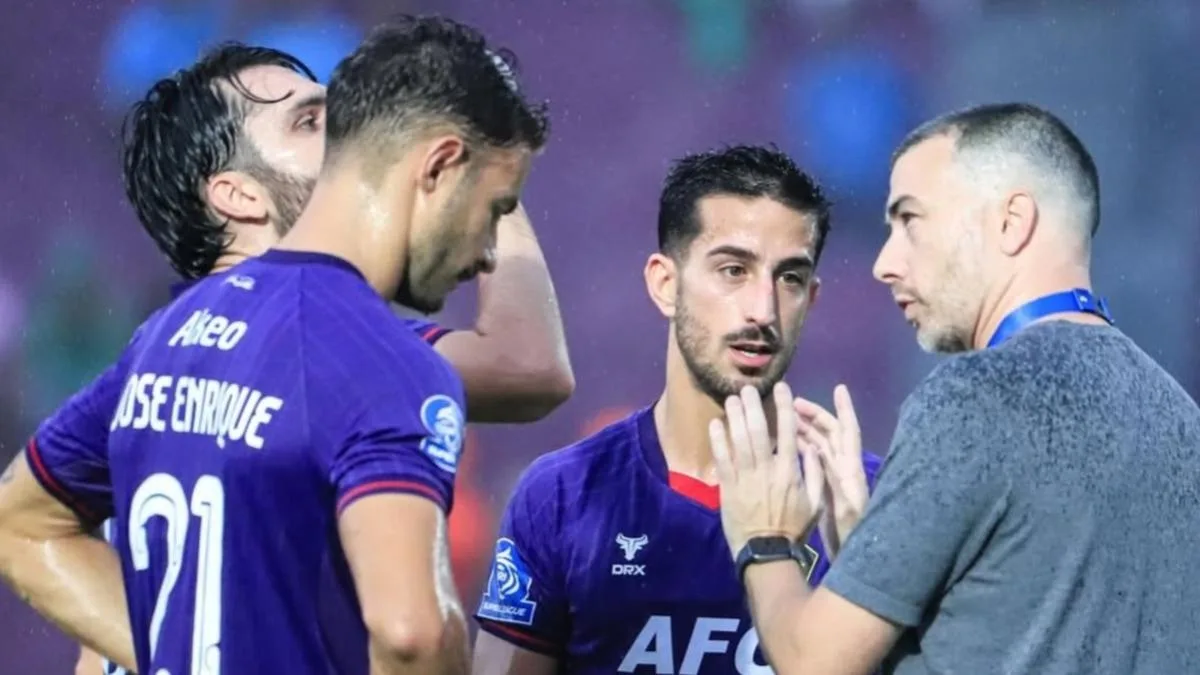
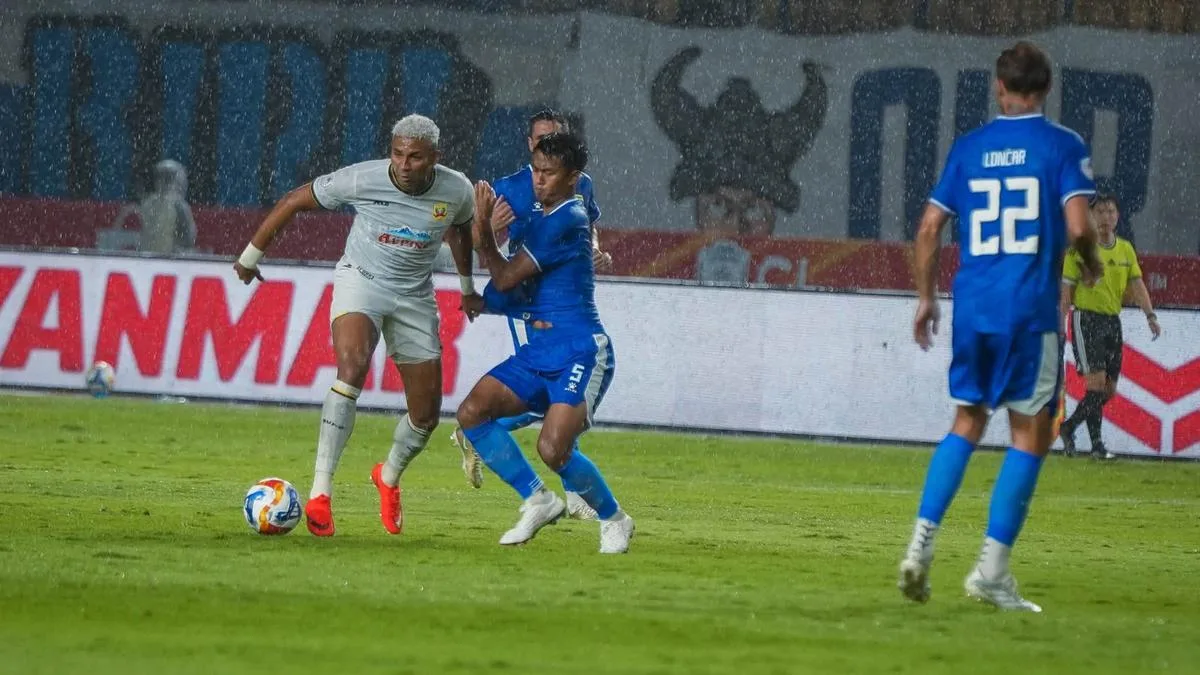
Persik Kediri must accept a bitter reality ahead of the 10th week of the 2026/2027 BRI Super League. The home match against PSIM Yogyakarta, which was supposed to be held at Stadion Brawijaya on Saturday (21/11/2026), is confirmed cancelled in Kediri after the police refused to grant a crowd permit. Instead, the duel billed as Macan Putih versus Laskar Mataram will be held at Stadion Joko Samudro, Gresik—a venue already familiar to Persik when it has to play home matches outside the city.
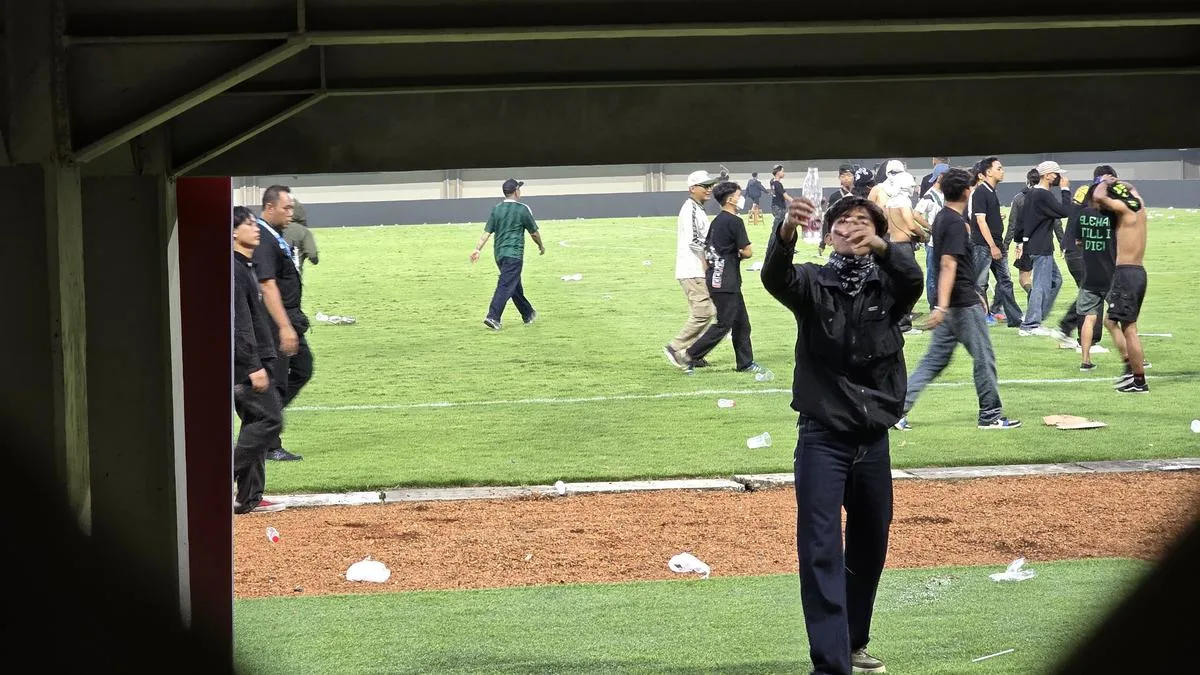
This refusal is not the first. Last season, four of Persik's home matches—against Madura United, PSIM, Arema FC, and Persebaya Surabaya—had to be relocated to Gresik. Some matches were even held without their loyal supporters. The policy left wounds for the club and its fans, while raising questions about how far security authorities may interfere in football affairs.
Chairman of the Persik Organizing Committee (Panpel), Tri Widodo, said the management had tried various ways to keep the match at Brawijaya. One extreme option proposed was to hold the match without spectators. "We were ready to play with zero spectators as long as it stayed in Kediri. However, the proposal was still rejected," he said.
"Our goal is simply to break the chain of revenge between Kediri and Yogyakarta. If left alone, it is as if we are nurturing that hostility." — Tri Widodo, Chairman of the Persik Organizing Committee
According to Tri, his side had also communicated with PSIM management and the Brajamusti supporters group. Both gave assurances they would not come to Kediri. Persik even offered a technical solution: changing the ticket sales system from online barcodes to physical wristbands with NIK restrictions limited to residents of Greater Kediri. The aim was clear—to ensure only local spectators entered the stadium. However, security officers maintained their position.
This decision raises a dilemma. On one hand, the police have full authority to assess security risks. On the other hand, Indonesian football is vigorously building a new image: a professional, safe competition free from supporter violence. Continuous venue relocation is actually counterproductive because it moves the potential for conflict to other areas, while also eliminating the chance to educate supporters through low-risk matches.
More ironically, Tri Widodo said relations between Persikmania and Brajamusti were actually improving. In the previous season, a number of Persik supporters who visited Yogyakarta received a warm welcome. That positive momentum is now at risk of fading because a meeting between the two camps has again been prevented. "We want to cut off this deep-seated grudge. Do not let the hostility continue to be nurtured," he stressed.
For Persik, the impact of relocation is not only about losing direct support. The club loses potential ticket revenue, while the players must adapt to a neutral atmosphere. In the long term, such a policy could set a bad precedent: other clubs may face similar treatment without any clear appeal mechanism. Crowd permit regulations should be transparent and based on measurable risk evaluation, not merely fear of potential unrest.
Going forward, resolving this problem is not enough by simply moving the venue. Open dialogue is needed between the club, the police, and supporter representatives to formulate a proportional security protocol. If not, Indonesian football will remain trapped in a cycle of home-ground displacement that harms all parties—especially the club and its loyal fans. The question is, how long must Brawijaya be a stadium without risky matches?