Wizards of the Coast Waives AI Settlement Share, All Rp24 Trillion Goes to D&D Writers
Baca dalam 60 detik
- Wizards of the Coast memilih menyerahkan porsi settelmen senilai total US$1,5 miliar kepada penulis novel dan modul Dungeons & Dragons, alih-alih mengambil haknya sebagai pemegang hak cipta.
- Keputusan ini menyimpang dari praktik umum penerbit besar yang membagi hasil settelmen 50-50 dengan penulis, dan menuai pujian dari komunitas kreator.
- Langkah tersebut berpotensi menjadi preseden bagi industri penerbitan global dalam memperlakukan hak ekonomi penulis di tengah sengketa pelatihan AI.
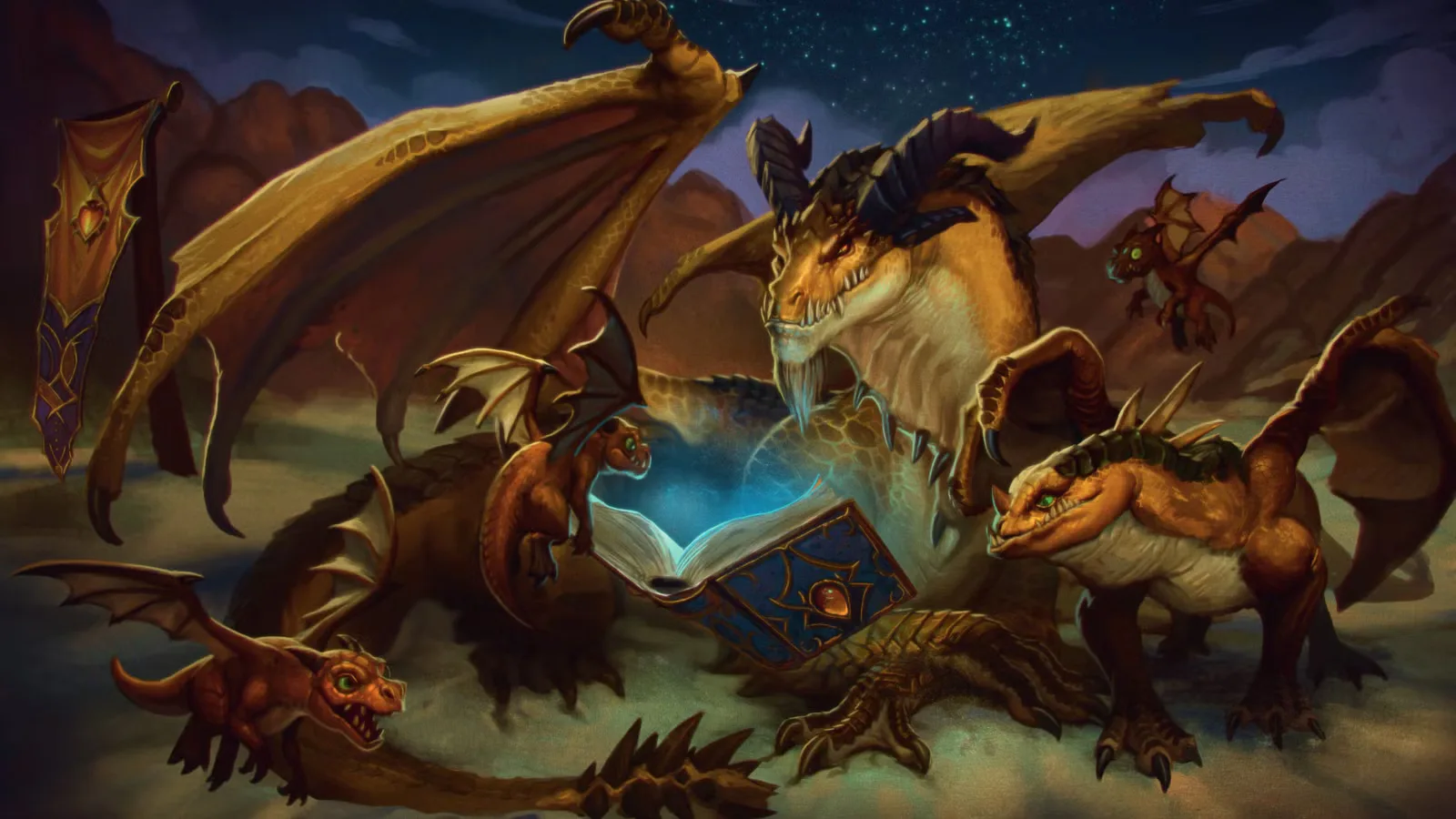
Wizards of the Coast, publisher of the Dungeons & Dragons (D&D) franchise, has decided not to take its share of the US$1.5 billion settlement (around Rp24 trillion) paid by Anthropic in a copyright infringement class action. The entire portion owed to Wizards as the official copyright holder will be redirected to the writers of D&D novels, modules, and stories. The decision stands out as a rare move amid legal disputes between AI companies and intellectual property owners.
Anthropic, developer of the Claude platform, was sued in 2025 for using a pirated library of hundreds of thousands of books without permission to train its large language models. The court ruled that using lawfully acquired books for AI training is permitted, but the use of illegal copies constitutes infringement. Anthropic ultimately agreed to a US$1.5 billion settlement distributed to publishers and authors of roughly half a million book titles.
In common practice, publishers and authors split settlement proceeds 50-50. Wizards, however, chose a different path. As disclosed by James Lowder, author of Forgotten Realms and Ravenloft novels, the publisher voluntarily relinquished its rights. An official letter from Wizards to the writers affirmed that the company's priority is to recognize the creators who built D&D's imaginative worlds. "Dungeons & Dragons is what it is because of the people who wrote it," the letter read, as quoted by Polygon.
Lowder welcomed the decision. He highlighted that many major publishers instead compete to claim as large a share of settlements as possible, often tending to disregard authors' rights. "In a world seemingly driven by corporate greed, seeing a company put writers first is a breath of fresh air," he said. The statement illustrates the power imbalance between publishers and creators in AI-era copyright disputes.
This case is not merely about money. It touches the foundation of the creative ecosystem: who is entitled to the economic value when their work is used to train artificial intelligence. Wizards' decision could serve as a precedent for other publishers worldwide, including in Indonesia, to reevaluate royalty-sharing and settlement policies. As the national publishing industry begins to face similar challenges—the use of literary works and creative content for AI training without permission—Wizards' move shows that copyright holders can choose not to simply chase short-term profit.
Going forward, the public will be watching whether other publishers follow Wizards' lead or stick with conventional revenue-sharing schemes. What is clear is that this precedent exerts moral pressure on companies that have so far taken the largest share of settlements, while authors receive a portion disproportionate to their contribution. Are the global entertainment and publishing industries ready to place creators as the primary parties entitled to compensation?