'Eco-Friendly' Labels on Fish Conceal Damage to Marine Ecosystems
Baca dalam 60 detik
- Sejumlah lembaga konservasi dan sertifikasi dinilai memberi cap baik pada praktik perikanan yang belum terbukti berkelanjutan, termasuk penangkapan tuna sirip biru dan krill Antartika.
- Laporan Oceana mengungkap 66% kapal penangkap ikan berukuran di atas 12 meter melanggar aturan, sementara kapal kecil hanya 10%, dengan sanksi finansial yang sangat minim.
- Subsidi bahan bakar justru mengalir ke kapal besar yang paling merusak, menciptakan insentif bagi penangkapan ikan yang merugikan ekosistem.
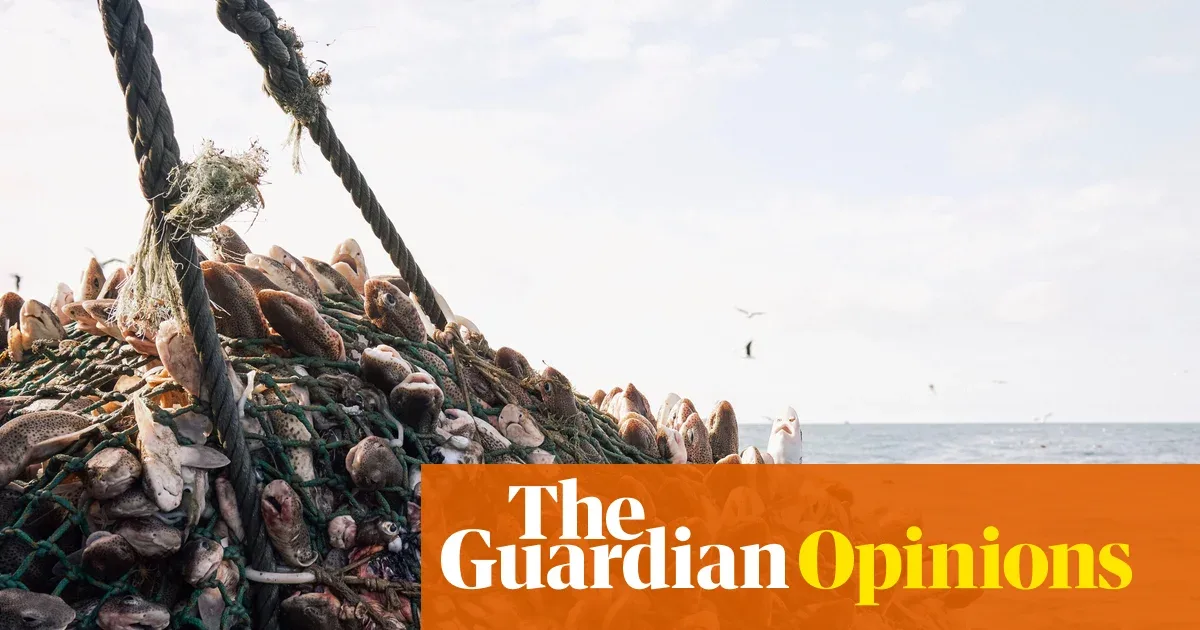
When consumers buy fish products bearing an 'eco-friendly' logo, they may feel they have contributed to preserving the oceans. However, several conservation and certification organizations are alleged to have given sustainable labels to fishing practices that actually threaten ecosystems. Sharp criticism came from The Guardian columnist George Monbiot, who argued that advice to choose certain fish species as a 'sustainable choice' is an illusion.
Monbiot highlighted the inconsistency of the Marine Conservation Society (MCS) through its Good Fish Guide. In April, MCS advised consumers to switch from cod to hake. Six months later, MCS acknowledged that hake had been overexploited due to increased fishing pressure, and downgraded its sustainability rating. In another example, MCS gave a green rating to bluefin tuna caught in UK waters, even though the government itself stated there is no estimate of the bluefin tuna population there. Ironically, MCS also acknowledged that the tuna population has not clearly reached a sustainable level.
Certification from the Marine Stewardship Council (MSC) is also a target. Recently, MSC recertified Antarctic krill as sustainable, even though the industry's impact on the Southern Ocean ecosystem is not fully understood. Krill is the foundation of the food chain that supports whales, seals, penguins, and seabirds. Krill fishing vessels operate among pods of whales and compete directly for prey. Monbiot questioned why an organization founded to protect wildlife would instead support damaging practices.
Destructive fishing practices are exacerbated by weak law enforcement. An Oceana report cited by Monbiot revealed that large vessels dominate violations, yet the sanctions imposed are very light. Most violators received only 'verbal advice'. In addition, the largest and most destructive vessels enjoy the biggest fuel subsidies. Bottom trawlers, which use the most fuel and damage the seabed, receive the largest subsidies. Owners of large vessels are often hidden behind networks of shell companies, and last year the five companies with the largest fishing quotas recorded combined profits of £125 million.
"Why are we helping them plunder our seas?" Monbiot wrote, questioning why some 'defenders of nature' appear to prioritize the fishing industry over restoring damaged ecosystems.
In Indonesia, a similar issue is relevant. As an archipelagic country with abundant marine wealth, Indonesia faces challenges in managing sustainable fisheries. Illegal, unreported, and unregulated (IUU) fishing remains widespread, while fuel subsidies for large vessels could encourage overexploitation. International certification labels such as MSC are also used in the Indonesian market, so consumers need to be more critical. The Indonesian government has committed to a blue economy program, but at-sea monitoring remains a weak point.
Going forward, the question is whether conservation organizations will continue to give a good stamp to destructive practices, or whether they will dare to oppose the industry they have long defended. Without improved governance, the 'eco-friendly' label will only become a misleading marketing tool, while marine ecosystems continue to degrade.