London Warns Companies Backing Ukraine: Russian Sabotage Looms, Act Now
Baca dalam 60 detik
- Pemerintah Inggris menerbitkan peringatan resmi bahwa perusahaan yang memasok kebutuhan militer Ukraina berisiko menjadi sasaran sabotase Rusia, termasuk pembakaran dan serangan siber.
- Peringatan bersama MI5 dan Kementerian Pertahanan menekankan pentingnya menghapus jejak digital, memperketat akses fisik, dan melindungi staf dari pengawasan musuh.
- Meski eskalasi serangan sabotase meningkat di Eropa, mantan petinggi militer menilai ancaman belum berskala strategis, tetapi Indonesia perlu mencermati dampak rantai pasok global.
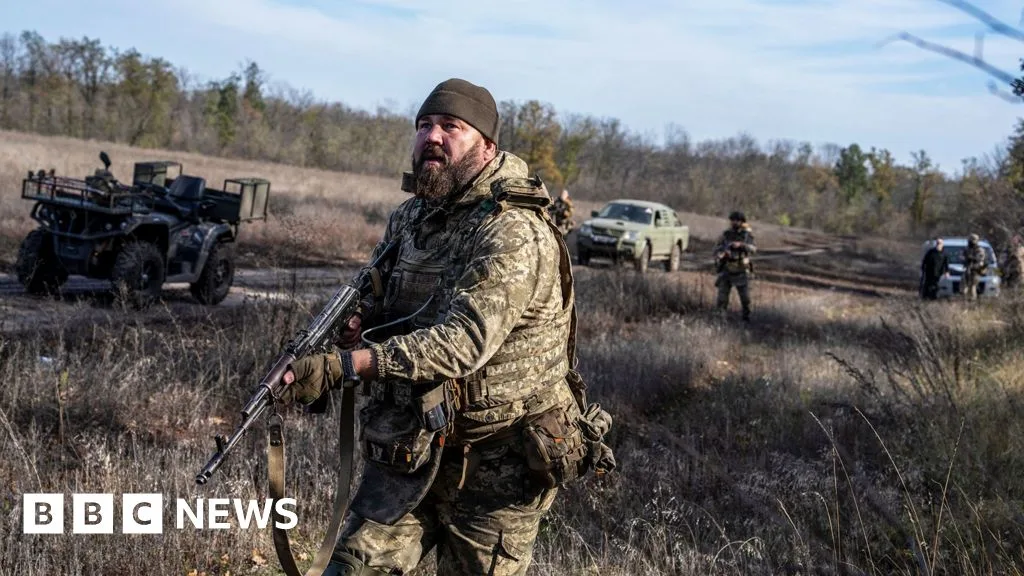
The UK government on Tuesday issued a stark warning to all companies involved in supporting Ukraine's armed forces—including supply chains—that they now stand on the front line of the Russian sabotage threat. The call for industry to “act now” follows a series of arson incidents and cyber attacks on defense facilities in Europe in recent months.
A joint warning drawn up by the UK National Protective Security Authority (NPSA) under MI5 and the Ministry of Defence highlights the growing risk of physical attacks such as arson, intimidation of employees, and operational disruption. Companies are asked not only to strengthen cyber defenses but also to take precautions in the physical world.
In the document, the intelligence agencies stress that reconnaissance by adversaries almost always begins with internet research. Companies are therefore urged to remove excessive publicly accessible information, including details of facilities and staff routines. Visible security measures such as CCTV cameras, secure entrances, and strict access controls are deemed effective in preventing sabotage activity.
The threat is not new, but its intensity is rising. General Sir Richard Barrons, who helped draft last year's Strategic Defence Review, described the warning as “significant but not new.” He told BBC Radio 4 that although there has been a surge in such attacks in Europe, “we are not facing an epidemic.” Barrons stressed that the actions so far have been disruptive rather than a strategic threat to European security as a whole.
UK Foreign Secretary Ed Miliband, in his statement before the House of Commons Foreign Affairs Committee, warned that the threat from Russia is aimed at shaking London's support for Ukraine. He stressed that Moscow's pressure will continue even after the war ends, and that any peace deal must not benefit Russia. Security Minister Dan Jarvis added that sabotage efforts in Europe “show how serious the threat we face is,” while Armed Forces Minister Louise Sandher-Jones stressed companies' responsibility to strengthen defenses “and help protect Britain.”
The UK government also held closed-door briefings for CEOs of critical national infrastructure and the defense sector in Whitehall on Tuesday and Wednesday. The move signals that Western countries are taking the hybrid war waged by Russia increasingly seriously—not only on the battlefield in Ukraine but also through intelligence operations in supporting countries.
Indonesian Context: Although this warning is aimed at British companies, its impact could spill over into global supply chains, including Indonesia. Several Indonesian companies are involved in producing electronic components and raw materials exported to Europe, including for the aerospace and defense sectors. If sabotage escalation continues, logistics and shipping insurance costs to Europe could rise. The Indonesian government, through its embassy in London, needs to monitor these developments, especially for national companies that hold contracts with European partners in strategic sectors. The hybrid war threat is also a reminder for Indonesia to strengthen cybersecurity in vital sectors, particularly ahead of the 2024 political year.
Going forward, the question is how far European countries will expand counter-intelligence operations to protect their defense industries, and whether Indonesia will take similar anticipatory steps to secure its strategic supply chains from increasingly complex geopolitical disruption.