Home Ministry Verifies Running Mates' Documents Biometrically, MPR Closes Public Access
Baca dalam 60 detik
- Kemendagri menyatakan KTP, KK, dan akta kelahiran Amran Sulaiman dan Sugiono valid setelah dicek dengan teknologi biometrik.
- MPR memilih merahasiakan dokumen hasil verifikasi meski status kependudukan kedua cawapres dinyatakan sah.
- Proses verifikasi multipihak ini menjadi ujian transparansi tahapan pencalonan wakil presiden di tengah sorotan publik.
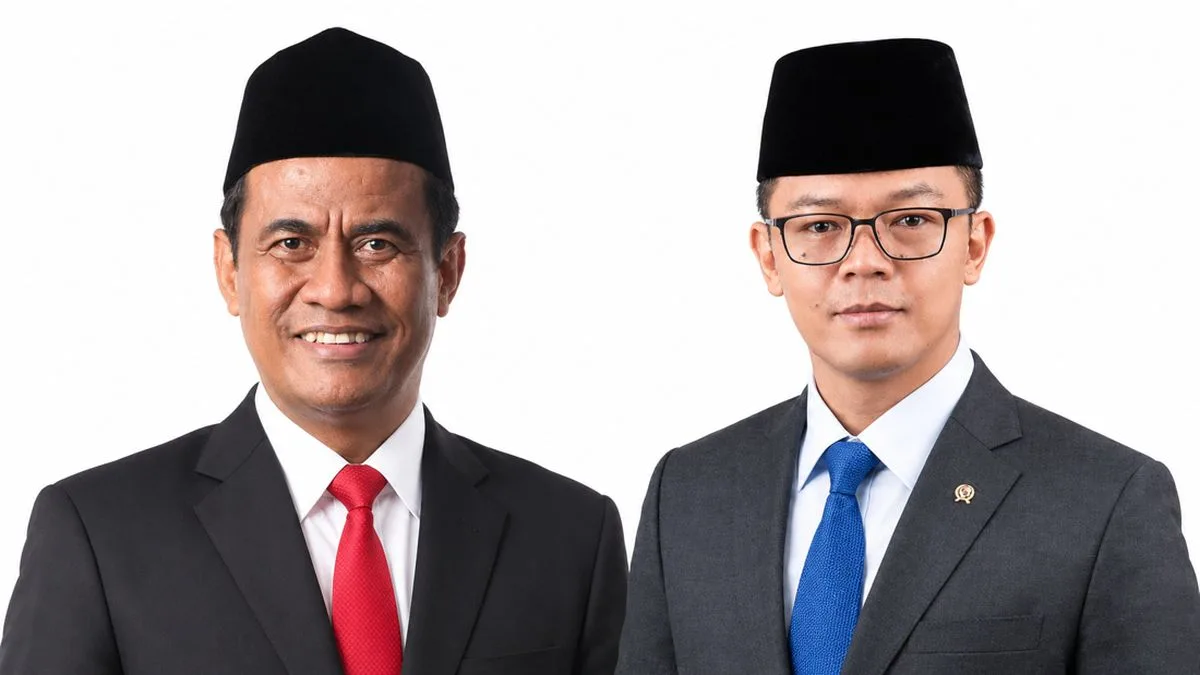
Home Affairs Minister Tito Karnavian has confirmed that the population documents of Andi Amran Sulaiman and Sugiono meet the requirements to serve as vice-presidential candidates. The statement was made after the Home Ministry completed checks on three types of documents: the identity card (KTP), the family card (KK), and the birth certificate. "We have verified everything and I checked it myself; the results are in order," Tito said at the Home Ministry office in Jakarta on Wednesday (25/11).
This verification was not carried out manually. The Home Ministry used biometric features to confirm the authenticity of the documents while closing the loophole of dual identity. Tito explained that the system matches fingerprints, facial recognition, and retinal patterns. According to him, the combination of the three elements is nearly impossible to falsify because they are inherent to a person's body. "Names may change, and place or date of birth may still be adjusted, but the face, fingerprints, and iris cannot be changed," he said.
That conviction underpinned the Home Ministry's move to send an official letter to the Speaker of the MPR. Tito stressed that his office was willing to declare the two running mates' documents valid and to set this out in formal correspondence to the assembly's leadership. The step is part of a series of fit-and-proper checks run by the MPR Verification Team.
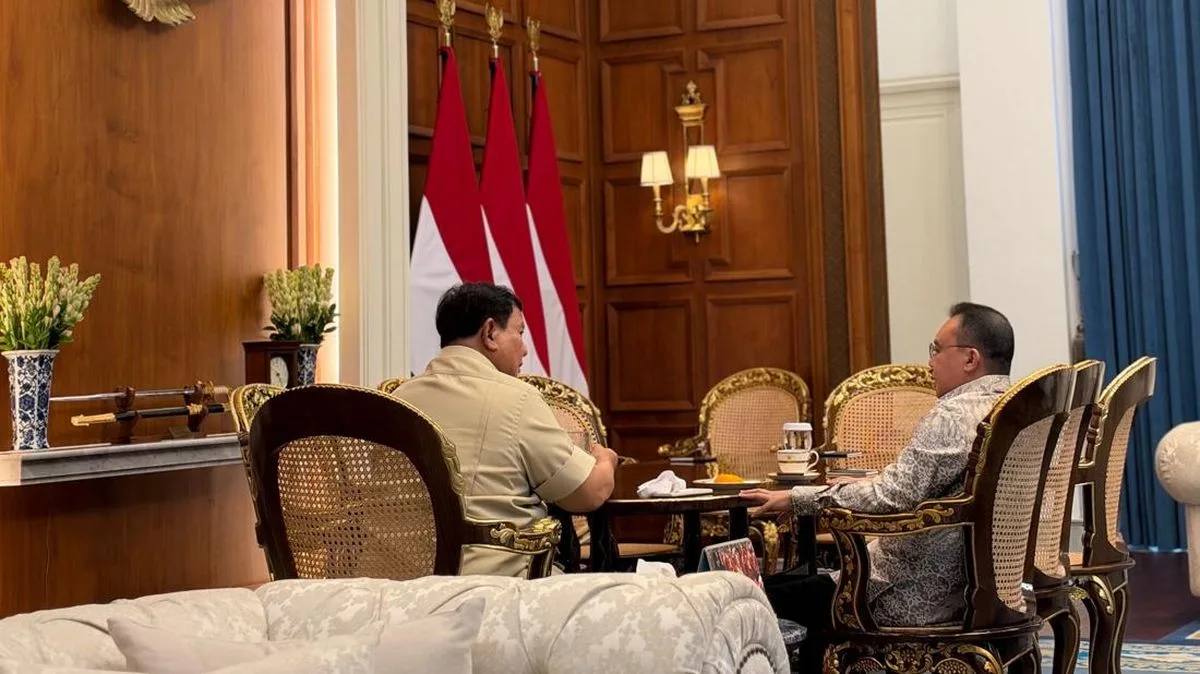
The Secretary of the MPR Verification Team, Ahmad Basarah, confirmed that the documents from the Home Ministry had been received. However, he stressed that the verification results would not be published to the public. The reason, he said, is that the MPR has working guidelines guaranteeing the confidentiality of all documents examined. "Let those documents become the MPR's confidential archive, become the material for our examination before we conclude and report to the assembly's leadership," Basarah said.
Before going to the Home Ministry, Basarah and the team first visited the Ministry of Law. The visit was to confirm the citizenship status of Sugiono and Amran. Article 6 Paragraph (1) of the 1945 Constitution requires the president and vice president to be Indonesian citizens by birth. Law Minister Supratman Andi Agtas handed over documents stating that both are valid Indonesian citizens by birth.
This series of verifications shows that a vice-presidential nomination does not stop at matching paperwork. There is a layer of cross-ministerial checks involving population data and citizenship status. However, the MPR's decision to close public access to those documents raises questions about how far the transparency of the nomination stage can be accounted for. On one hand, confidentiality protects the candidates' privacy; on the other, the public has the right to know that the process is running according to the rules.
"The chance of a duplicate KTP is very small because a person's face, fingerprints, and iris cannot change," said Home Affairs Minister Tito Karnavian.
For the public, this document verification is not merely an administrative matter. It concerns the legitimacy of a public official's nomination. When internal mechanisms operate behind closed doors, public trust depends on the credibility of the institution conducting the checks. The MPR, as the holder of a constitutional mandate, is expected to maintain a balance between document confidentiality and process accountability.
Going forward, the debate over the openness of the verification documents is likely to keep rolling. The question is whether the MPR will disclose some information that does not touch on the candidates' privacy, or insist on its confidentiality guidelines. The answer will determine how far the public can assess the quality of this vice-presidential nomination process.