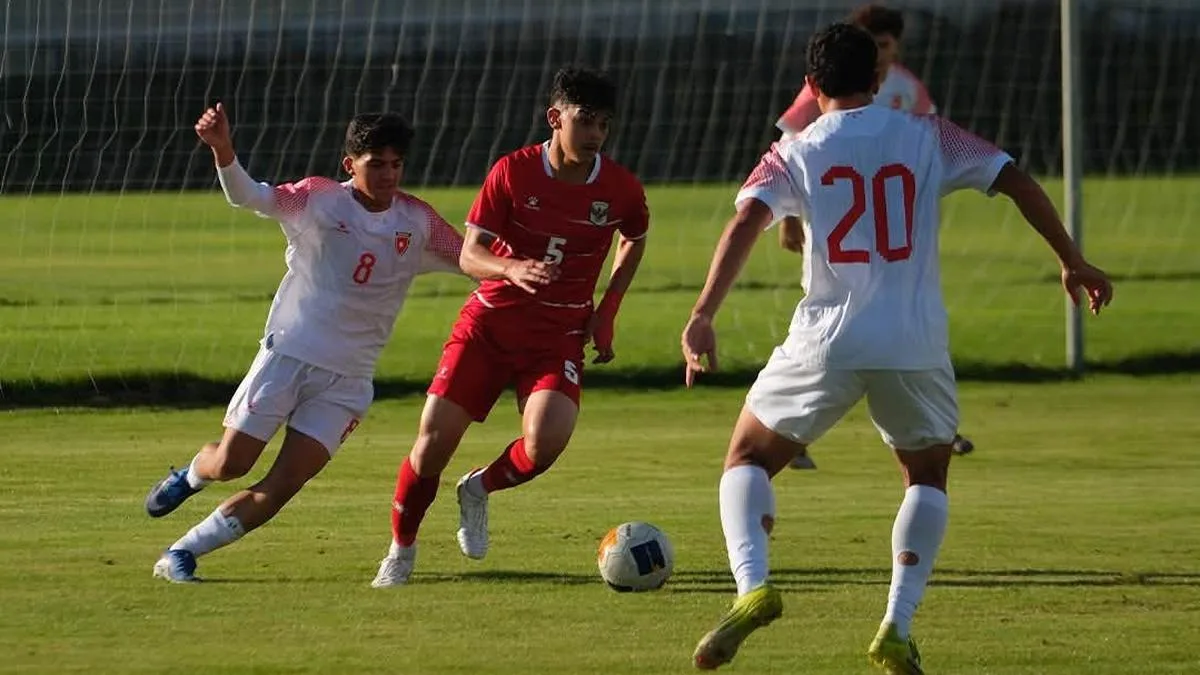
I League Cup 2026/2027: 36 Clubs Compete, New Format and Packed Schedule Put to the Test
Baca dalam 60 detik
- Turnamen I League Cup 2026/2027 akan mempertemukan 36 tim dari BRI Super League dan Pegadaian Championship, dimulai 3 November 2026 hingga final 19 Mei 2027.
- Format baru membagi peserta ke 12 grup berisi tiga tim, dengan hanya juara grup yang lolos ke babak 12 besar, delapan besar, semifinal, dan final single match.
- Direktur Kompetisi I.League, Asep Saputra, menekankan pentingnya pengaturan jadwal di tengah padatnya agenda BRI Super League.

Indonesian football returns with a new tournament: the I League Cup 2026/2027. The event will bring together 36 clubs from the two top tiers, the BRI Super League and the Pegadaian Championship, with kick-off on 3 November 2026 and the final scheduled for 19 May 2027. For Indonesian football fans, the tournament offers a breath of fresh air amid the crowded domestic league schedule, as well as a proving ground for underdog teams.
Unlike typical cup competitions, the I League Cup 2026/2027 uses a fairly unique group format. The 36 participants are divided into 12 groups of three teams each. Every contestant will play two matches in the group stage, and only the group winners advance to the round of 12. In other words, there is no room for teams to relax from the opening match.
The round of 12 is scheduled for 15-17 January 2027 on a single-match basis. Host status is determined by the best record during the group stage. Next, the quarterfinals will be held on 30-31 January 2027, joined by Persib Bandung as last season's BRI Super League champion and Borneo FC as runner-up. In this phase, hosts are determined by drawing lots. A similar format applies to the semifinals on 21 April 2027, while the final uses a single match system at a venue yet to be decided.
I.League Competition Director Asep Saputra said preparations for the tournament are mature, especially regarding the format, match mechanisms, and scheduling. He acknowledged that the biggest challenge is managing the schedule amid the crowded BRI Super League competition. “We have arranged the calendar so that it does not clash with the league agenda,” he said, as quoted from a source.
The arrival of the I League Cup has drawn mixed responses. Some observers believe the tournament can be a platform for Championship clubs to measure their strength against Super League teams. However, concerns about player fatigue and an overly packed schedule still loom. With 36 teams and a span of nearly seven months, club management will need to be careful with player rotation.
Commercially, the tournament has the potential to boost club revenue through broadcast rights and sponsors. Moreover, the single match format in the knockout rounds tends to be more entertaining and reduces the risk of matches without a winner. For supporters, a schedule spread from November to May offers a chance to watch their favorite teams outside the regular competition.
Going forward, the I League Cup 2026/2027 will serve as a benchmark for league organizers in designing more competitive competitions. If successful, it is not impossible that a similar format will be applied to other cup events. The question is, can this tournament sustain the passion for national football amid an increasingly packed schedule?