Messi's ChatGPT Ad Sparks Debate: Is AI Entering Interior Design?
Baca dalam 60 detik
- OpenAI menampilkan Lionel Messi dalam iklan yang memperlihatkan penggunaan ChatGPT untuk mendesain ruangan, memicu diskusi tentang peran AI di sektor kreatif.
- Langkah ini dinilai sebagai upaya perusahaan AI memperluas pasar ke penggunaan sehari-hari, tetapi menuai kekhawatiran dari kalangan desainer interior.
- Meski demikian, data sementara menunjukkan AI belum menggerus pendapatan desainer, dan justru membantu efisiensi kerja.
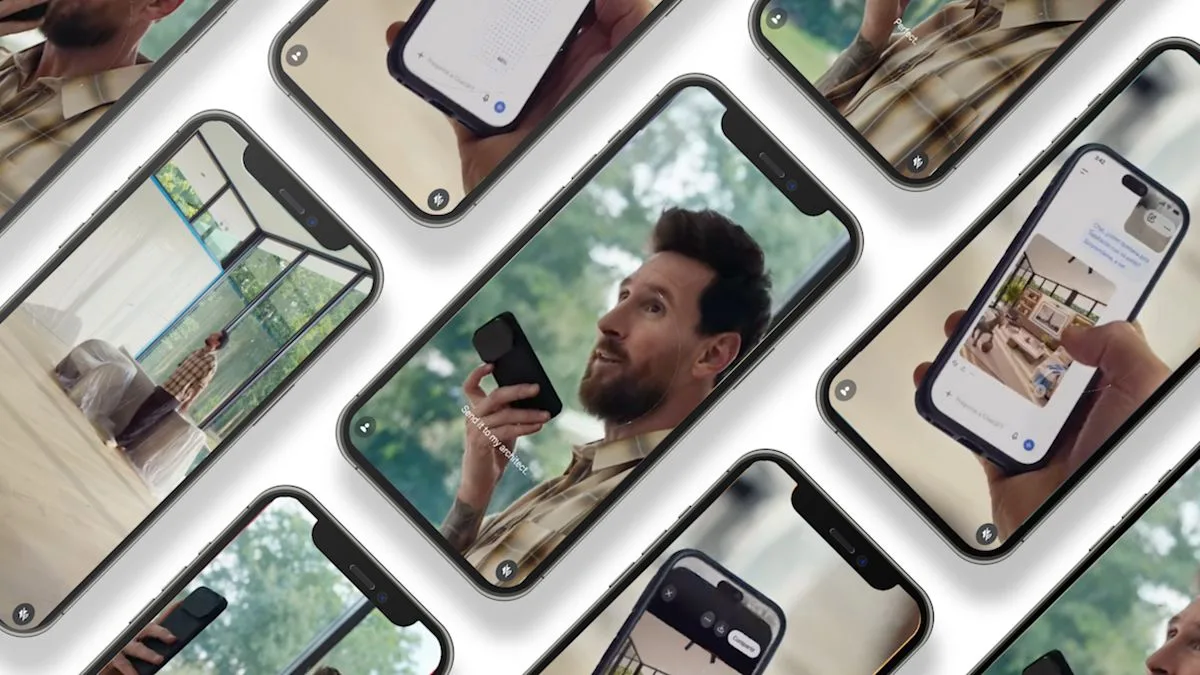
OpenAI has once again made waves with its ChatGPT marketing strategy. This time, the San Francisco-based company has enlisted football megastar Lionel Messi to star in an ad showcasing AI's ability to design interiors. The ad immediately became a hot topic online, not only because of Messi's popularity but also because of its implicit message: AI can replace the role of interior designers.
In the short clip, Messi is seen observing a room that has yet to be arranged. He then asks ChatGPT, "How would you design this room in my style?" It doesn't take long for the chatbot to present a complete concept with bookshelves, a sisal rug, mid-century-style chairs, and a blanket in the colors of the Argentine flag. Messi declares the result "perfect" and orders, "Send this to my architect."
The ad drew attention because it is the first time an AI company has explicitly promoted ChatGPT for interior design purposes. Previously, Google launched a similar campaign through Gemini, but it did not spark controversy. However, Messi's presence—a figure with 517 million Instagram followers and extraordinary global influence—makes the ad's message feel stronger and potentially threatening to the existence of the interior design profession.
Nevertheless, the reaction from designers has not been entirely negative. Most professionals believe AI cannot yet replace the human touch when it comes to project execution. "A beautiful picture cannot make construction drawings, communicate with vendors and contractors, do site visits, and make phone calls," said one commentator in a post on the Instagram account Interior Design Community. An informal survey on that account showed that of more than 100 respondents, the majority said AI had not slowed down their work.
On the other hand, OpenAI does appear to be aggressively expanding ChatGPT's use into various aspects of daily life. The company needs to show investors that its technology can be adopted at scale to justify the large investments it has made. Interior design is one target because it is seen as a common need, high-cost, yet not as risky as the medical or legal fields if mistakes occur.
This phenomenon also reflects a shifting competitive landscape in the AI industry. Technology companies are racing to offer solutions that can replace conventional services, from information search to trip planning. The Messi ad is just one example of how AI is positioned as an all-purpose tool that everyday consumers can rely on.
For Indonesia, this trend deserves attention. The country's creative sector, including interior design, will be increasingly exposed to AI technology. Although the impact is not yet significant, massive AI adoption could change the way designers and creative-service businesses work. The government and professional associations need to prepare regulations and skills-upgrading programs so that the local workforce is not eroded by automation.
Going forward, the question is no longer whether AI will take over designers' jobs, but how quickly professionals can adapt and use this technology as a supporting tool. OpenAI and its competitors are predicted to keep experimenting with various new use cases, and the Messi ad may be just the beginning. Is Indonesia's creative industry ready for the next wave of disruption?