Behind the Success of the Ocarina of Time Remake: Zelda Once Nearly Ran Out of Fans
Baca dalam 60 detik
- Remake Ocarina of Time terjual 5,2 juta kopi dalam empat hari, memicu diskusi soal arah desain Zelda ke depan.
- Mantan eksekutif Nintendo mengungkap data internal yang menunjukkan basis penggemar Zelda menyusut drastis sebelum Breath of the Wild.
- Kesuksesan remake ini membuka peluang Nintendo menghadirkan kembali elemen klasik tanpa meninggalkan formula open world.
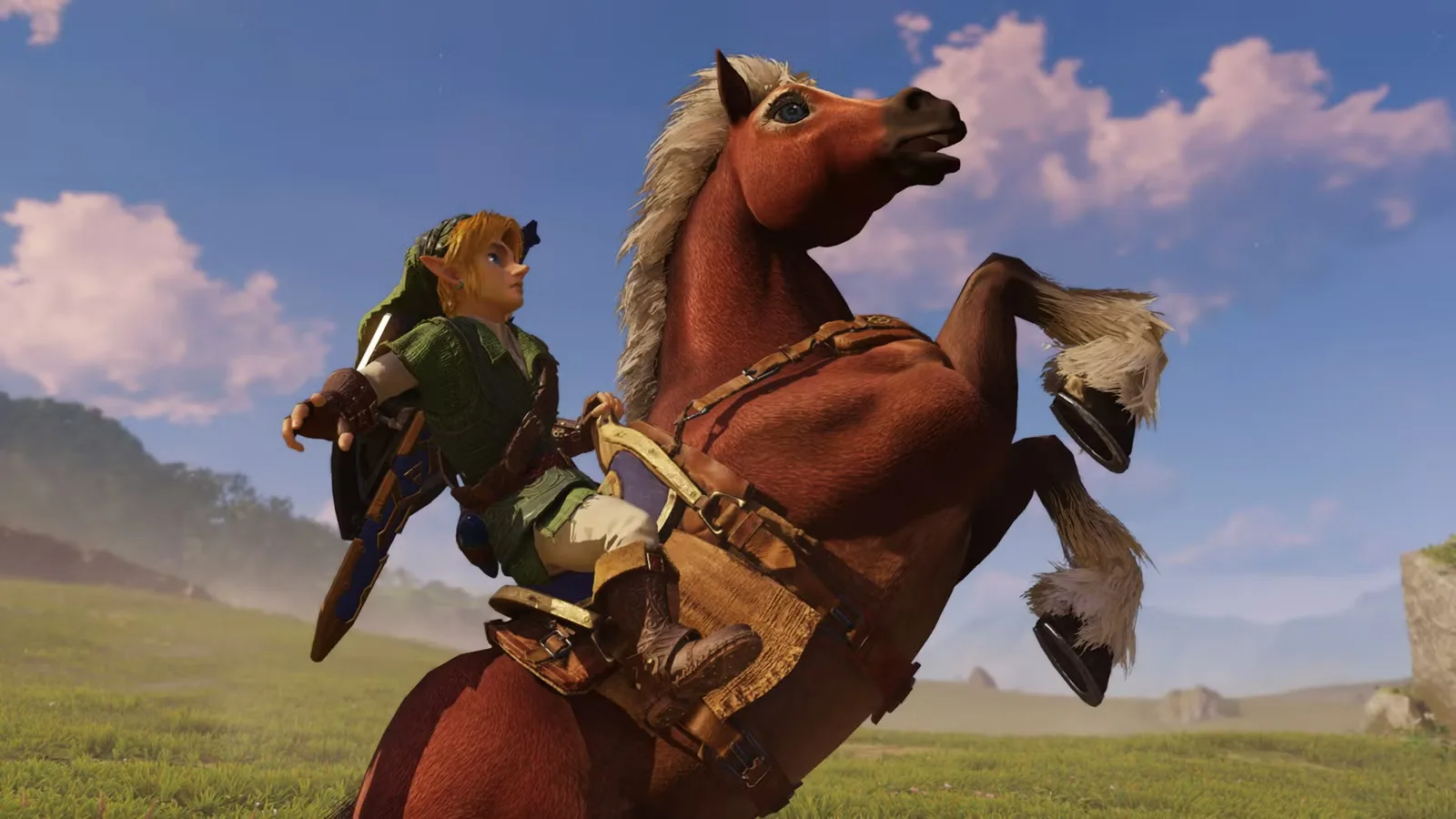
The massive success of the The Legend of Zelda: Ocarina of Time remake on Nintendo Switch 2 is not just a sales achievement; it has also sparked debate about the future direction of the legendary franchise. In its first four days, the game sold more than 5.2 million copies—the highest record for a Nintendo-published game on Switch 2—and became the second best-selling title on the platform after Mario Kart World, which has sold more than 16 million units. The figure shows that enthusiasm for classic Zelda design, with its focus on dungeon exploration, remains very strong.
Yet behind that euphoria, a fundamental question arises: should Nintendo return to the classic formula and abandon the open world approach introduced through Breath of the Wild? The discussion heated up after Kit Ellis, former social media marketing director at Nintendo of America, and Krysta Yang, former senior manager of creator relations, discussed the topic on their podcast. Ellis said he was interested in "a modern take on classic Zelda games", but he also pushed back on what he called a "revisionist history"—the notion that the Zelda team deliberately took traditional elements away from fans at the height of the franchise's popularity.
Yang instead stressed the opposite. According to her, before Breath of the Wild was released, the Zelda franchise was at its lowest point. "The series was in dire straits. They weren't selling anything," she said on the podcast. Sales data bears this out: Skyward Sword (2011), the last Zelda game in the classic style, sold only 4.15 million units—a sharp drop compared with Twilight Princess, which reached 8.93 million units. Meanwhile, Breath of the Wild became the most successful Zelda game in history with 34.51 million units sold.
Ellis recalled those dark days. "I remember attending a focus group. It was a very bleak moment. The feedback was 'the fan base is shrinking; this isn't attracting new players'," he said. He claimed Nintendo had "a lot of data" showing audience interest was shrinking, so the company "had to do something dramatic". The decision to move to open world proved to save Zelda from its slump.
Even so, the success of the Ocarina of Time remake shows there is still a large market for a more structured Zelda experience focused on dungeons. Many longtime fans miss the thrill of solving puzzles in maze-like underground chambers, something that has become increasingly rare in the open world era. This phenomenon creates a dilemma for Nintendo: on one hand, the open world formula has proven to boost sales massively; on the other, nostalgia for classic design remains strong and can deliver impressive sales figures.
For the global game industry, the Zelda case is a lesson in how a franchise must adapt without losing its identity. Nintendo apparently does not need to choose extremes between open world and classic. A hybrid approach—combining freedom of exploration with distinctive dungeon structure—could be a middle path that satisfies both camps of fans. Moreover, the remake's success signals that classic elements remain relevant and can be brought back with a modern touch.
Looking ahead, the public awaits Nintendo's next move. Will they release a new classic Zelda game, or instead inject more dungeon elements into the next mainline title? What is clear is that sales data and market reaction will be the compass for the Kyoto-based company in determining the direction of a franchise that is more than three decades old. If the Ocarina of Time remake keeps setting records, it is not impossible that Nintendo will give more room to the classic approach in the future.