Zelda: Ocarina of Time Proves Physical Media Is Still Alive, but Digital Is Eroding It
Baca dalam 60 detik
- Remake The Legend of Zelda: Ocarina of Time terjual 5,2 juta kopi dalam sepekan dan menjadi game fisik terlaris tahun ini di AS.
- Nintendo mendominasi penjualan media fisik dengan pangsa 63% di AS, sementara PlayStation 32% dan Xbox hanya 4%.
- Meski fisik masih kuat, penjualan digital Nintendo melonjak 90% year-on-year, menandakan pergeseran perilaku konsumen yang tak terelakkan.
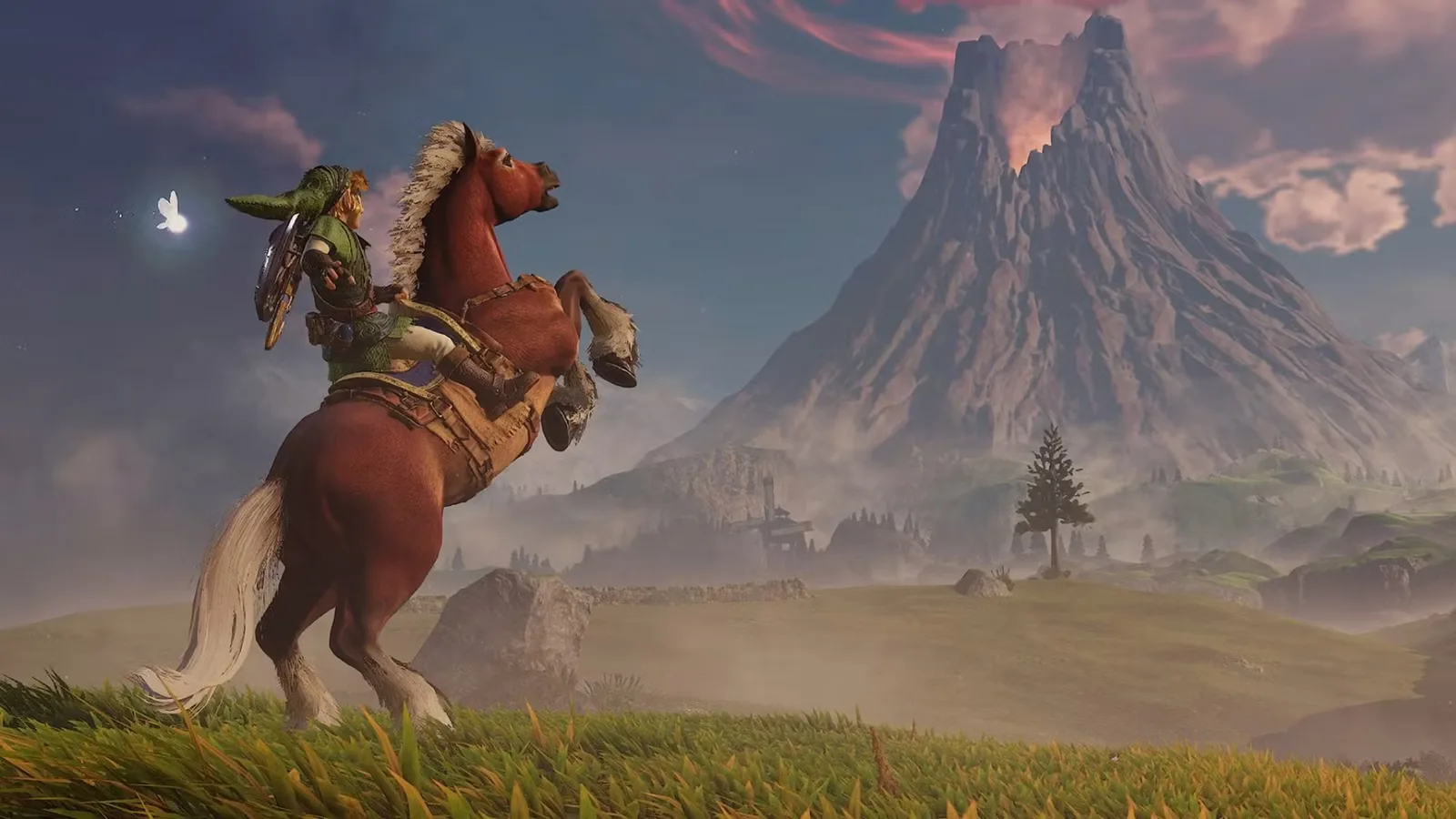
Even as the industry pushes hard toward digital distribution, Nintendo has proven that physical media is not dead. The remake of The Legend of Zelda: Ocarina of Time for Switch 2 sold more than 5.2 million copies in the week after release, making it the best-selling physical game of the year in the United States according to Circana data. It is the first such feat since The Legend of Zelda: Tears of the Kingdom in 2023, and it confirms that cartridges still have a place in fans' hearts.
That success is no accident. Nintendo is known for consistently releasing games in physical format with a range of attractive bonuses, from special foil covers to exclusive pre-order gifts. The strategy has proven effective in driving retail sales, even as other platforms such as PlayStation and Xbox campaign ever more aggressively for all-digital. Sony, for instance, has long committed to the digital route, while Xbox remains silent on the future of discs. Nintendo has taken the opposite position: it keeps producing cartridges because it understands the value of ownership for its customers.
Circana data reveals a striking imbalance. About 63% of physical media sales in the US come from Nintendo systems, followed by PlayStation at 32% and Xbox at just 4%. Globally, physical copies still account for 40% of Nintendo's total sales—an impressive figure in an all-digital era, especially compared with Sony, which reported only 3% for PlayStation in 2024. Although the Switch install base is larger than its competitors', Nintendo fans' loyalty to physical media has long been deeply rooted.
However, this physical dominance does not automatically guarantee the future. The first-quarter financial report this year shows Nintendo's digital sales soared 90% compared with the same period last year. That means that although physical remains the backbone of revenue, consumers are slowly shifting to downloads. The phenomenon aligns with a broader industry trend in which convenience and price often beat the desire to physically own a disc or cartridge.
"We don't see any signs that Nintendo will stop producing cartridges anytime soon," said Mat Piscatella, a senior analyst at Circana, as quoted from the sales report. He also added that code-in-box editions still count as physical media, so Ocarina of Time's position could be overtaken by GTA 6, scheduled for release on 19 November.
For the Indonesian market, this dynamic is worth watching. Nintendo does not have massive official distribution in the country, but its community of hardcore physical fans—especially cartridge collectors—is fairly large. They often buy imported copies through online retail channels or specialist retailers. If Nintendo keeps maintaining physical production, Indonesia could become one of its loyal grey markets, even if sales volume is not as large as in the US or Japan. On the other hand, rapid digital growth also opens opportunities for local digital distribution services to reach more players.
Going forward, Nintendo's biggest challenge is balancing the need to satisfy collectors with following the digital tide. With digital sales continuing to soar, will the Kyoto-based company stick to its physical strategy, or gradually shift focus? What is clear is that, for now, Ocarina of Time has proven that physical media still has a pulse—at least in the hands of loyal Nintendo fans.