PERURI Launches Red and White Chip Prototype, a Foundation for Semiconductor Sovereignty?
Baca dalam 60 detik
- PERURI memperkenalkan prototipe chip nasional untuk e-paspor, hasil kolaborasi riset dengan ITB.
- Langkah ini menandai upaya Indonesia memasuki rantai nilai semikonduktor yang selama ini didominasi negara lain.
- Pengembangan lanjutan akan melibatkan sejumlah kementerian dan Danantara untuk membangun ekosistem industri chip dalam negeri.
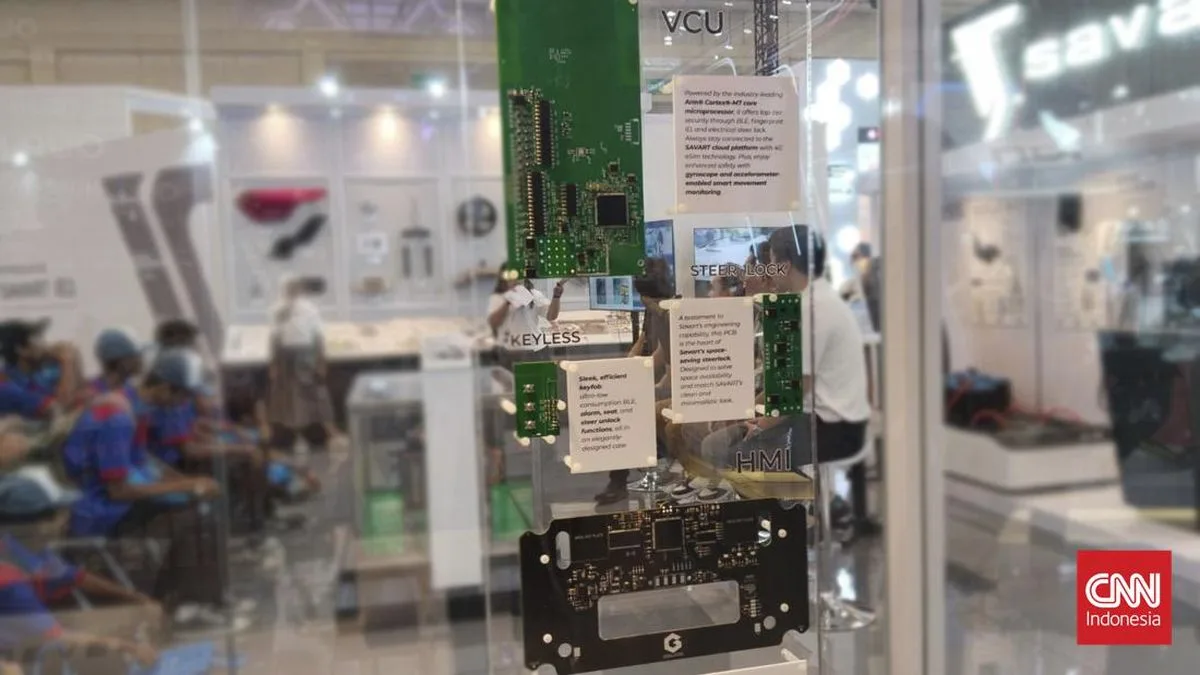
Perusahaan Umum Percetakan Uang Republik Indonesia (PERURI) has officially launched a Red and White Chip prototype designed for electronic passport needs. The move is an early signal of Indonesia's ambition to master digital security technology upstream, rather than merely being a user.
PERURI President Director Teguh Arief Indratmoko said the prototype is part of the company's expansion of capabilities in digital security technology. According to him, for more than five decades PERURI has been trusted to safeguard the authenticity of the state's important documents, and that commitment is now being continued into chips.
The Red and White Chip was developed through research collaboration between PERURI and Institut Teknologi Bandung (ITB). Previously, PERURI also provided the Red and White Chip Sandbox, an experimental platform aimed at sparking young people's interest in the semiconductor ecosystem.
Although still a prototype, the initiative implies a shift in PERURI's orientation from merely a money-printing operator to a developer of strategic technology. The move aligns with a global trend in which digital identity documents are becoming a new battleground for data sovereignty.
Teguh stressed that chip development will continue with technology refinement, further testing and validation, and exploration of uses in line with strict industry standards. This stage is expected to strengthen technological readiness while opening room for broader cooperation within the national semiconductor ecosystem.
"Together with ITB and the support of various stakeholders, we want to prove that Indonesia has the capability to develop strategic technology that is secure, trustworthy, and suited to the nation's needs," Teguh said.
The involvement of several ministries and Danantara shows that the project does not stop at the research level. There are indications the government wants to build a domestic semiconductor supply chain, from design and testing to production. However, the road to chip self-sufficiency is still long and requires large investment and capable human resources.
In the Indonesian context, PERURI's move could serve as a trial for a technology downstreaming policy that has so far focused more on the minerals sector. If successful, the red and white chip could set a precedent for developing other critical components, such as identity cards, payment instruments, and cyber security devices.
The question is whether this prototype will proceed to mass production and be able to compete with global players. The public awaits concrete realization after the launch ceremony.