Burnham Rejects Full Devolution to Wales, Prime Minister Accused of Favoritism
Baca dalam 60 detik
- Perdana Menteri Inggris Andy Burnham menolak permintaan First Minister Wales Rhun ap Iorwerth untuk melimpahkan kewenangan kepolisian, peradilan, Crown Estate, dan infrastruktur kereta ke Cardiff.
- Penolakan ini memicu tuduhan bahwa Burnham hanya mendorong desentralisasi untuk wilayah Inggris, sementara Wales dianggap bukan bangsa setara.
- Posisi Burnham juga bersejarah dengan sikap Partai Buruh Wales, menandakan perpecahan internal menjelang pemilu berikutnya.
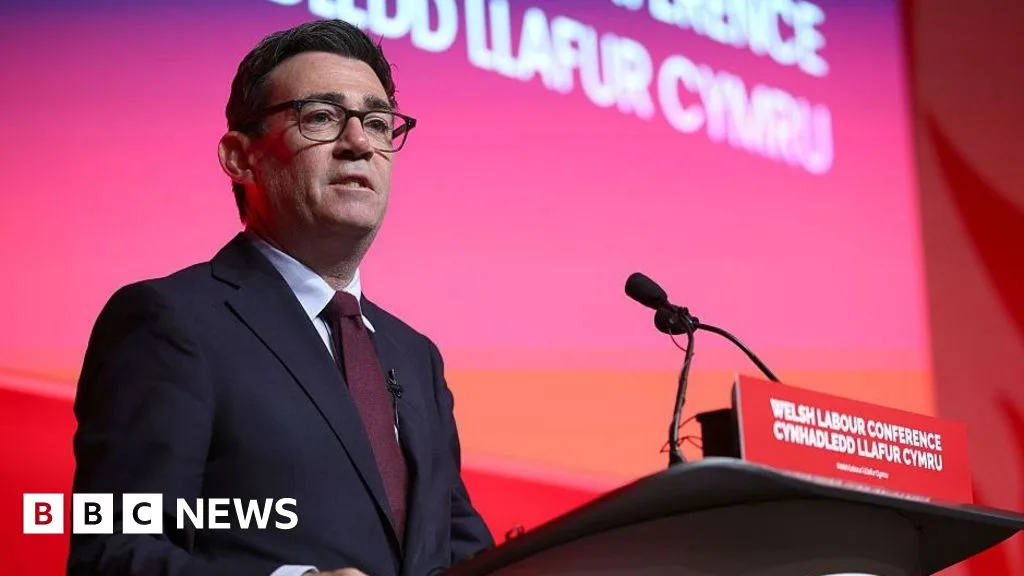
UK Prime Minister Andy Burnham has firmly rejected a long-standing request from Wales First Minister Rhun ap Iorwerth to transfer a number of powers from Westminster to Cardiff. In a reply letter obtained by BBC Wales, Burnham said he was not convinced by the arguments for devolving responsibility in policing, justice, the Crown Estate, and rail infrastructure. The rejection immediately sparked anger from the Welsh government, which accused Burnham of having "turned his back on devolution" and of not treating Wales as an "equal nation".
The letter was issued only weeks after a meeting described as positive between Burnham and ap Iorwerth in Glasgow. At the time, ap Iorwerth had even expressed confidence that Burnham instinctively supported the idea of devolving policing. Burnham himself had previously said he was open to the idea. However, in his letter last Friday, he reversed course, arguing that the integrated England-and-Wales policing system was essential for maintaining interoperability and cross-border cooperation.
"The integrated policing system of England and Wales is essential to maintaining interoperability, enabling seamless cross-border cooperation, and ensuring policing in Wales can draw on national and specialist capabilities," Burnham wrote in his letter. He added that the integrated framework helped Welsh policing respond to threats effectively. On justice, Burnham stressed his belief that current devolution arrangements already allowed Wales to benefit from the resources, expertise, and resilience of the shared justice system.
"His warm words about devolution now sound hollow, and there is no doubt anymore that when he talks about pushing powers out of Whitehall, he only means it for regions in England," said the First Minister's spokesperson.
Burnham's rejection also runs counter to the stance of Welsh Labour leader Ken Skates, who last weekend reaffirmed his position that policing and the Crown Estate should be handed to Wales. The difference shows cracks within the governing party, especially ahead of the next election. Previously, Burnham had even suggested that Welsh Labour may have lost sight of devolution principles before their historic electoral defeat.
The Crown Estate issue is in the spotlight because it includes the seabed off the coast of Wales, which is rich in renewable energy potential. Revenue from that property portfolio has so far flowed directly to the UK Treasury, not to the Welsh government. Both the previous Welsh Labour government and the current Plaid Cymru administration have long called for management of the Crown Estate to be handed to Cardiff. However, Burnham argues that the current model is the best way to maximize economic and social benefits for Wales, and the UK government is not convinced by the arguments for preparing a future transfer.
On rail infrastructure, Burnham stressed that funding and delivery of projects should be carried out by the new Great British Railways, working with Transport for Wales and the Welsh government. He judged that full devolution would instead fragment the existing system and affect public services on a highly integrated cross-border network. This stance reinforces that Burnham wants to retain central control over strategic infrastructure, even though Wales has different transport needs.
For Indonesia, this devolution polemic in the UK mirrors how a unitary state faces increasingly complex demands for regional autonomy. Indonesia itself is facing similar challenges, especially regarding the division of authority between the center and the regions in managing natural resources and infrastructure. If the UK is still reluctant to let go of control over the Crown Estate, which is rich in marine energy, Indonesia is also grappling with the issue of oil and gas and mineral revenue sharing, which often becomes a source of tension between Jakarta and producing regions. The lesson to be drawn is the need for equal and transparent dialogue so that devolution policy does not become merely a political tool.
Going forward, pressure on Burnham is expected to increase, especially from Welsh Labour, which is now divided. Will Burnham maintain his conservative stance on devolution, or will he soften ahead of the election? Meanwhile, the Welsh government under Plaid Cymru is expected to continue rallying public support to demand greater powers. The Welsh public will judge whether Burnham's devolution promises are mere rhetoric or genuinely delivered.