UK Green Tax Set to Rise, Households Rush to Find Installers Before April
Baca dalam 60 detik
- Pemerintah Inggris berencana mencabut pembebasan PPN 5% untuk pompa panas, panel surya, dan baterai rumah mulai 1 April, berpotensi menambah biaya hingga £1.530 per rumah.
- Permintaan jasa pemasangan melonjak menjelang tenggat, sementara industri memperingatkan gangguan rantai pasok dan ketidakpastian bagi konsumen.
- Kelompok oposisi dan pelaku industri mendesak pembalikan kebijakan karena dinilai bertentangan dengan target transisi energi dan program pinjaman ramah lingkungan yang baru diluncurkan.
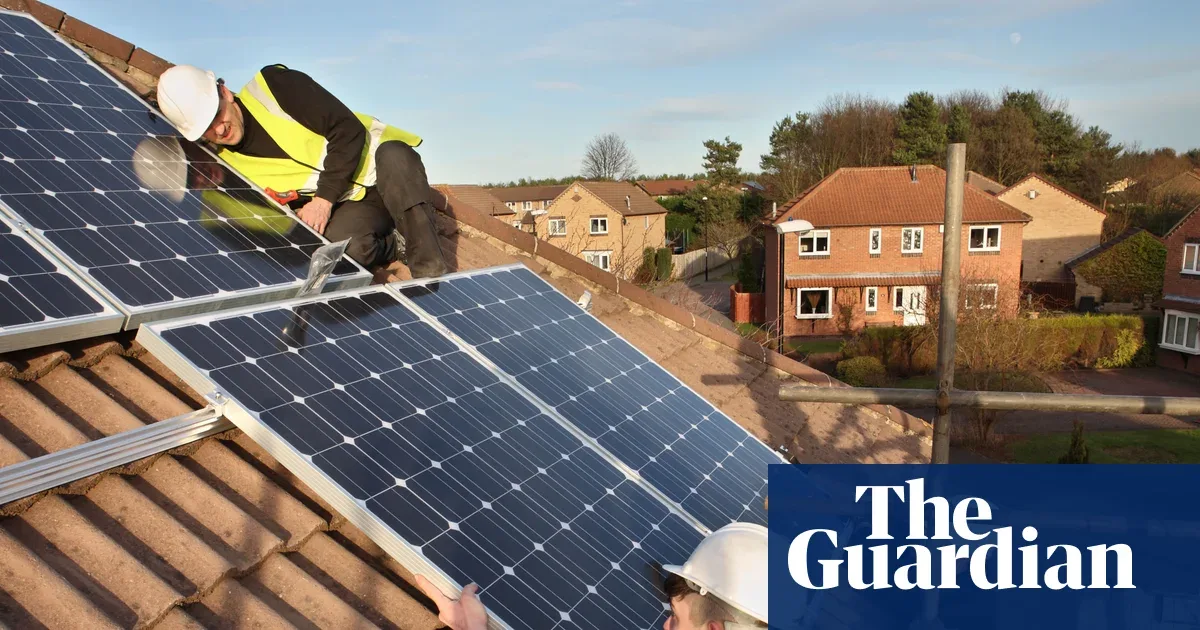
Households in the UK planning to install clean energy technologies such as heat pumps, solar panels, and storage batteries are facing time pressure: if they do not find an installer before 1 April, they risk bearing additional costs of up to £1,530 due to the government's plan to scrap the 5% VAT exemption on such equipment.
The policy, set out in the chancellor's budget statement, has drawn criticism from various quarters. Critics argue the move is inconsistent with the government's efforts to curb energy bills and encourage household electrification. Moreover, since conflict in the Middle East shook European gas markets, gas prices have doubled and household energy bills have reached their highest level in nearly four years. Demand for alternatives to fossil fuels has surged.
Industry associations warn that the sudden removal of the VAT exemption could trigger a wave of installations before the deadline, creating an unstable demand cycle—a surge followed by a slump—for the still-developing home energy installer network. Charlotte Lee, CEO of Heat Pump Association UK, said the change risks causing a spike in applications ahead of April, disrupting supply chains, and making the process less predictable for consumers. She stressed that the savings the government gains must be weighed against the risk of disruption to consumers, weakening industry confidence, and stalling a growing market.
Criticism also came from the Liberal Democrats. The party's Energy Security and Net Zero spokesperson, Pippa Heylings, called the policy "total policy madness" because the government is cutting VAT on electricity bills to encourage the shift to clean electricity, yet on the other hand raising taxes on the equipment needed to do so. She urged ministers to immediately reverse what she called the short-sighted heat pump tax policy.
Similar concerns were raised by Chris Hewett, CEO of Solar Energy UK. According to him, the VAT increase will raise the cost of the low-interest loan program the government has just launched, contradicting the goal of enabling more households to enjoy the benefits of solar and battery systems. He also highlighted a perverse incentive: because household electricity bills are currently exempt from VAT until July next year, saving energy will actually be taxed more heavily than consuming it. Solar Energy UK will urge the government to change course.
On the other hand, the Department for Energy Security and Net Zero argues that more and more families are switching to clean energy technologies. They noted a record number of heat pump applications and grant recipients through the Boiler Upgrade Scheme in September. The government also claims it continues to promote electrification and the clean technology market, protect support for low-income families, and launch the warm homes loan scheme so households can obtain heat pumps, solar panels, and batteries with no upfront cost.
However, with the 1 April deadline approaching, the big question is whether the government will maintain the plan to scrap the VAT exemption or reverse it to preserve the momentum of the energy transition. If nothing changes, the wave of installations before the deadline may only be a temporary solution before the market cools again—and consumers who move too late will have to dig deeper into their pockets.