MARA Sells 13,597 Bitcoin Worth Rp17 Trillion as AI Infrastructure Pivot Takes Shape
Baca dalam 60 detik
- MARA Holdings melepas 13.597 BTC dalam enam minggu dengan harga rata-rata sekitar US$81.039 per koin, setara 40% dari cadangan per akhir September.
- Dana hasil penjualan sebagian besar dipakai melunasi pinjaman berbasis Bitcoin senilai US$750 juta dan membebaskan 17.477 koin yang sebelumnya dijaminkan.
- Perusahaan menegaskan akan terus mengonversi Bitcoin menjadi kas untuk membiayai ekspansi pusat data AI, pembayaran obligasi, dan potensi buyback saham hingga US$500 juta.

MARA Holdings confirmed it has sold 13,597 Bitcoin worth about US$1.1 billion (around Rp17 trillion) over six weeks after September 2026, at an average price of US$81,039 per coin. That figure equals 40% of the 34,012 Bitcoin the company held at the end of the third quarter, and is the most concrete signal yet that the largest miner in the United States is moving away from a pure accumulation strategy.
The move is not merely profit-taking. Most of the proceeds went straight to lenders: US$750 million was used to repay Bitcoin-backed debt, freeing 17,477 coins that had been pledged as collateral. As a result, the share of MARA's reserves that is pledged or lent out has shrunk to below 5%, from 57% at the end of September. The loan itself was taken out in August to finance the planned acquisition of Long Ridge, a natural gas-based power supplier.
"We intend to continue using Bitcoin to build cash for purposes such as AI infrastructure opportunities," MARA management wrote in its third-quarter shareholder letter.
The statement marks a sharp policy reversal. In July 2024, MARA was still committed to holding all Bitcoin it mined and even added to its holdings through open-market purchases. The company only began allowing sales of newly mined coins in 2025, then broadened the policy in 2026 to cover older reserves. Over the first nine months of 2026, sales reached 26,984 BTC; with the latest addition, the total for the year exceeds 40,000 BTC.
Behind the maneuver, operational pressure is mounting. Third-quarter revenue plunged 35% to US$164 million, even though MARA still booked US$632 million in profit—a figure largely supported by a US$885 million accounting gain from the rise in Bitcoin's value during the period. In other words, the company's profitability increasingly depends on appreciation of the digital asset rather than on mining margins that are being steadily eroded by energy costs and network difficulty.
The cash from the Bitcoin sales is not entirely free either. Some bondholders have the right to demand early repayment starting next year, while the board of directors has approved a share buyback program of up to US$500 million. In other words, the liquidity raised from the crypto market must compete with financial obligations and incentives for shareholders.
MARA's new focus is data center infrastructure. The company aims to close the Long Ridge acquisition in the coming weeks; the facility is licensed to sell 485 megawatts of power, and the surrounding land is being prepared for a data center campus. MARA also holds development rights over land in Texas with potential capacity of up to 2 gigawatts. Two new data center lease contracts are targeted for completion before the end of the year, though management cautions that negotiations could slip into 2027.
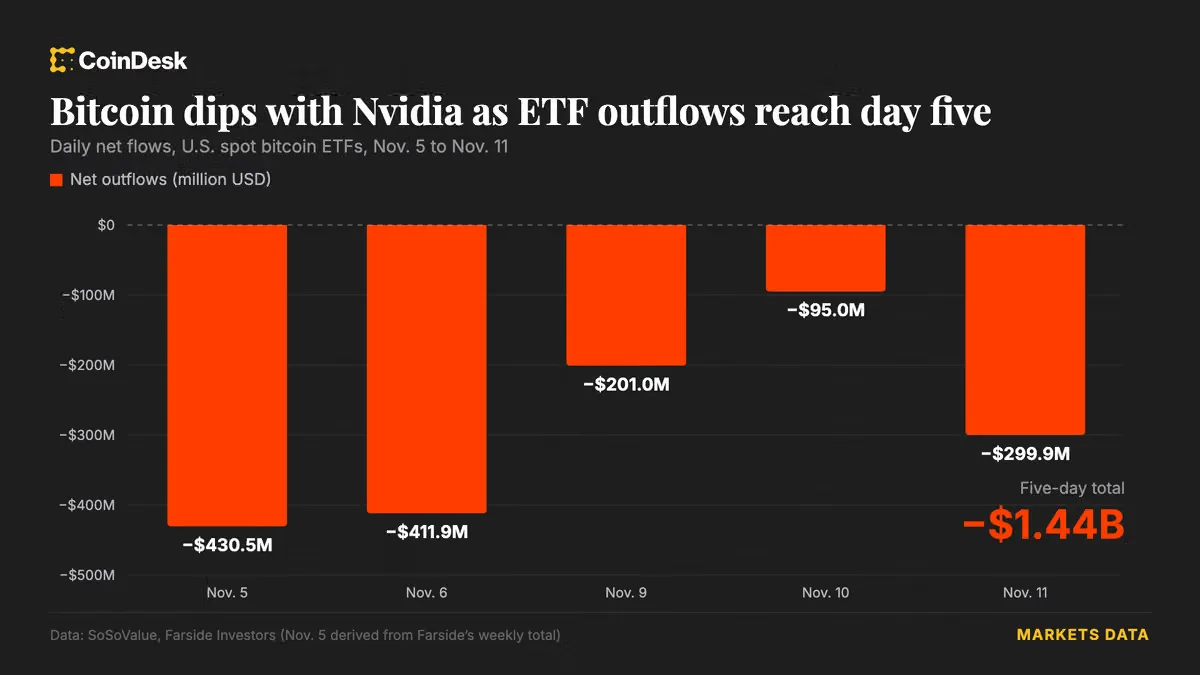
For the crypto market, MARA's selling adds supply pressure amid weakening miner revenue. But for the broader industry, the move reinforces a trend visible since early 2026: Bitcoin miners are evolving into computing infrastructure operators that sell their digital assets to finance AI capacity. The question is whether this hybrid business model will become the new standard, or instead erode miners' identity as long-term holders of Bitcoin.