
Scott Colom Wins in Mississippi: Grassroots Campaign Strategy and Lessons for the Democratic Party
Baca dalam 60 detik
- Scott Colom memenangkan kursi Senat Mississippi, menjadi senator kulit hitam pertama sejak era Rekonstruksi dan Demokrat pertama sejak 1982.
- Kampanye Colom mengandalkan pendekatan langsung ke pemilih dan iklan viral, meski dana jauh lebih kecil dari petahana Cindy Hyde-Smith.
- Kemenangan ini menunjukkan efektivitas politik berbasis komunitas dan bisa menjadi model bagi Demokrat di daerah merah.
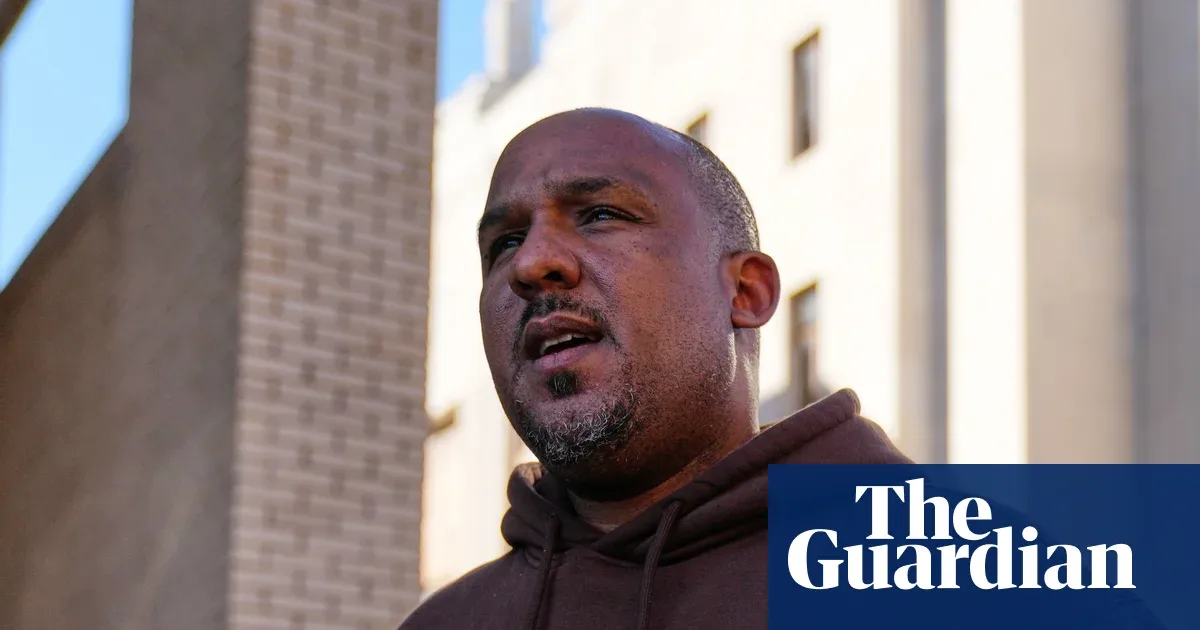
Scott Colom, the Democratic candidate, won the Mississippi Senate seat on Wednesday, marking the first time a Democrat has held the seat since 1982 and the first Black senator since the Reconstruction era. The victory surprised many political observers who had previously doubted his chances.
Colom's campaign did not begin with major backing from the Democratic Party. When he announced his candidacy last year, political experts judged him a challenger with no chance. The seat was even labeled "solid R" by prognosticators, which according to Colom made fundraising difficult. In the first three months, he raised only about $594,000, while incumbent Cindy Hyde-Smith raised nearly $1.1 million, including a large donation from Aipac. By election day, Colom's total funds were about $3.6 million, still below Hyde-Smith's $5.3 million.
Nevertheless, Colom was able to turn things around with a campaign strategy that reached people directly. He traveled to hair salons, campuses, fast-food restaurants, and even lines of Donald Trump supporters. One of his viral ads, "Pick Another Protein", mocked Hyde-Smith's remarks about soaring beef prices. The ad became a turning point that brought national attention to the race.
Colom's approach of speaking heart to heart, rather than giving formal speeches, set him apart. "I don't give speeches. I speak from the heart. I talk about what I care about, I listen to people," he said a few days before the election. This style effectively drew sympathy from voters in a state long considered a Republican stronghold.
The Democratic Party only began seriously pouring in money a month before the election, after seeing the impact of the viral ad and Colom's soaring popularity. National figures such as Kamala Harris, Pete Buttigieg, and Cory Booker also campaigned in Mississippi. However, that late support did not diminish the fact that Colom built his own momentum over months.
"People need to understand how much potential and promise we have in Mississippi. This country will not reach its potential if it ignores places like Mississippi," Colom said.
Colom's victory also highlights the importance of community engagement in politics. He spent time after the election thanking voters and promoting local businesses, while emphasizing his pride in being a Mississippian. Meanwhile, Hyde-Smith refused to concede until the counting of affidavit ballots was completed in 82 counties.
For Indonesia, Colom's victory in Mississippi offers lessons on the effectiveness of direct grassroots campaigning and the creative use of social media. Amid an Indonesian political landscape increasingly dominated by digital campaigns, personal approaches and community engagement remain decisive factors. Colom's victory also shows that late party support can be overcome by an emotional connection with voters.
Looking ahead, this victory raises the question of whether Colom's campaign model can be replicated by Democratic candidates in other red states, or whether it is a unique phenomenon dependent on personal charisma and local context. What is clear is that Mississippi has sent a signal that politics is not always determined by money and elite backing.


