When EA 'Sabotaged' Sega's Football Game to Lock Down the Console Market
Baca dalam 60 detik
- Trip Hawkins mengungkap taktik kontroversial EA yang menyusupkan kode Madden ke Joe Montana Football milik Sega pada 1990.
- Langkah itu membuahkan posisi tawar bagi EA untuk menekan biaya lisensi Nintendo dan menguasai pangsa pasar Genesis.
- Kisah ini menyoroti sisi gelap kompetisi industri gim yang jarang terekspos, jauh sebelum era konsol modern.
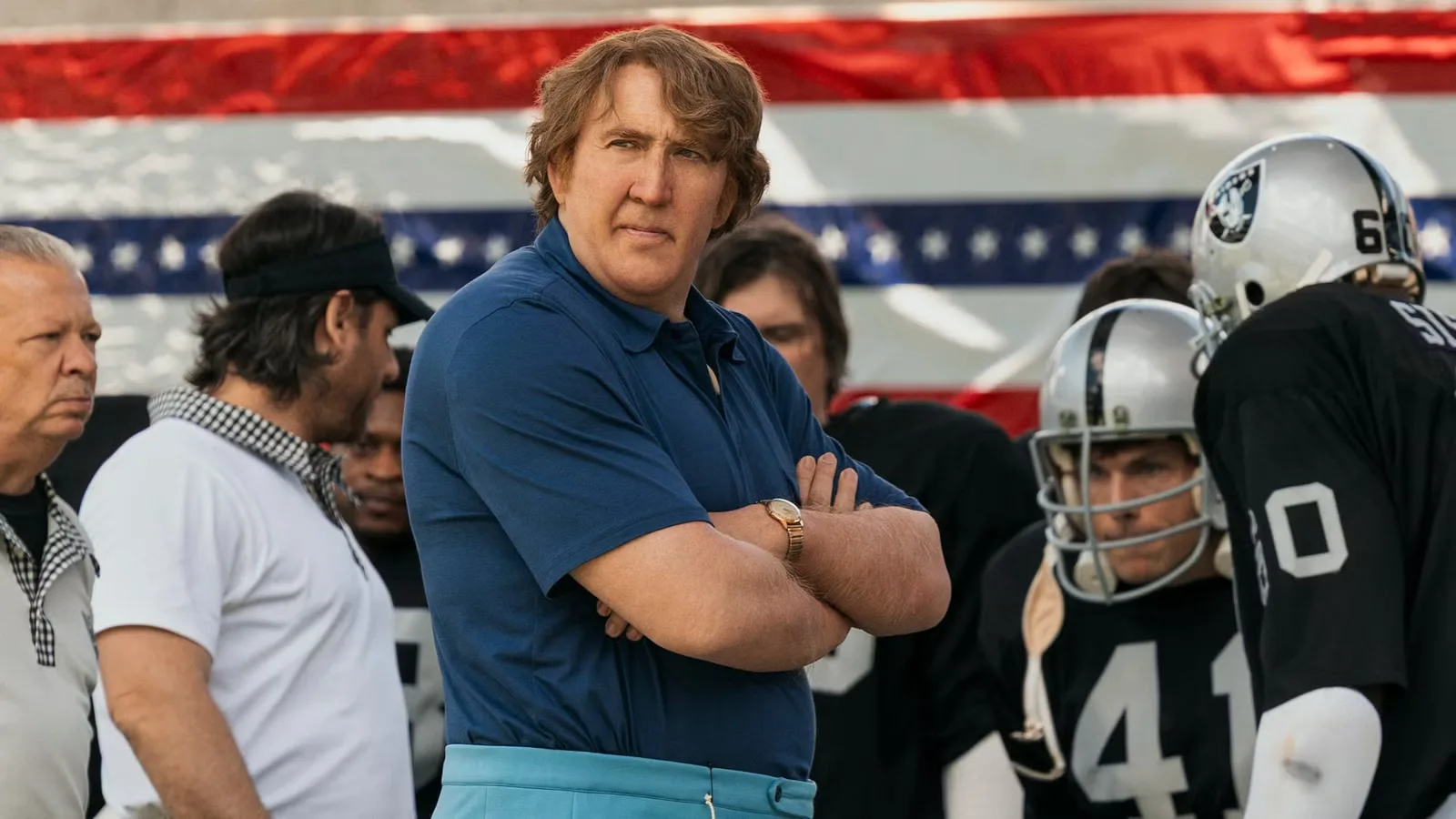
Behind the scenes of the early 1990s gaming industry, the fierce rivalry between Electronic Arts (EA) and Sega apparently hid tactics that were almost never revealed to the public. EA founder Trip Hawkins, in an interview ahead of the release of the film Madden, exposed a covert operation that nearly gave Sega a legitimate rival to John Madden Football—before EA quietly crippled it.
The film by David O. Russell does highlight John Madden's journey from coach to gaming legend, but it only briefly touches on the role of the Madden series in the early 1990s console war. Hawkins, played by John Mulaney, said he had planned football game dominance long before. “I planned and prepared for more than a decade before founding Electronic Arts,” he said, adding that he did not have the budget to sneak into a Super Bowl party as depicted in the film.
Armed with Madden's original playbook from the Oakland Raiders, Hawkins was ready to bring John Madden Football to 16-bit consoles. But he was unwilling to bear the high cost of Nintendo's third-party license. EA's internal team then spent a year doing reverse engineering on the Sega Genesis, allowing it to produce software without Sega's help. That position became a bargaining tool to secure more favorable licensing terms from Nintendo's biggest rival.
When Sega was developing Joe Montana Football for the 1990 holiday season, the game's progress stalled. Sega CEO Hayao Nakayama called Hawkins in a panic, asking him to cancel Madden and release the game under the Joe Montana name. Hawkins refused, but offered a clever solution: still release Madden, while also building Montana for Sega. “About 98% under the hood was program code from Madden Football. I just changed the look, and with no intent to offend, I sabotaged that game to make it inferior to ours,” Hawkins said.
As a result, Joe Montana Football lost the pseudo-3D field and offered only 13 plays, far from the 113 plays in Madden. Hawkins finished the final Montana version in six weeks. Even so, Sega still raked in sales of more than two million copies thanks to a massive marketing budget, while Madden sold only 400,000 units. But for EA, Madden was a turning point that spawned a sequel a year later and grew into a giant franchise.
“I thought, their marketing budget is much bigger. I didn't want people to know that basically these two games were the same. But that was part of the contract, they couldn't tell anyone where the game came from.” — Trip Hawkins
For Hawkins, the rushed project was worth it to see his dream game reach players. He also remembered Madden as someone serious about business yet down to earth, especially when enjoying Santa Maria barbecue. “We ate a lot of meat. John was a really big eater,” he recalled.
This story is not merely a historical footnote in the gaming industry. In Indonesia, competition among digital platforms and local games is tightening, and cross-licensing and reverse engineering practices are issues that often come up in intellectual property discussions. EA's aggressive move in that era shows how market dominance can be built through technical manipulation and contracts, not just innovation. Going forward, this story is relevant for scrutinizing competition ethics in the creative industry, especially when large companies hold control over platforms and distribution.