Indonesia Repatriates Remains of US World War II Soldier, 2,500 Others Still Buried
Baca dalam 60 detik
- Kerangka seorang tentara Amerika Serikat yang tewas dalam Perang Dunia II di Morotai, Maluku Utara, dipulangkan ke Hawaii setelah lebih dari 80 tahun terkubur.
- Upacara repatriasi di Lanud Halim Perdanakusuma menandai kerja sama forensik antara DPAA, Kemhan, Pusjarah TNI, dan Laboratorium Forensik Polri.
- Masih ada sekitar 2.500 jenazah korban PD II di Indonesia yang belum ditemukan, menjadi pekerjaan rumah bersama bagi kedua negara.
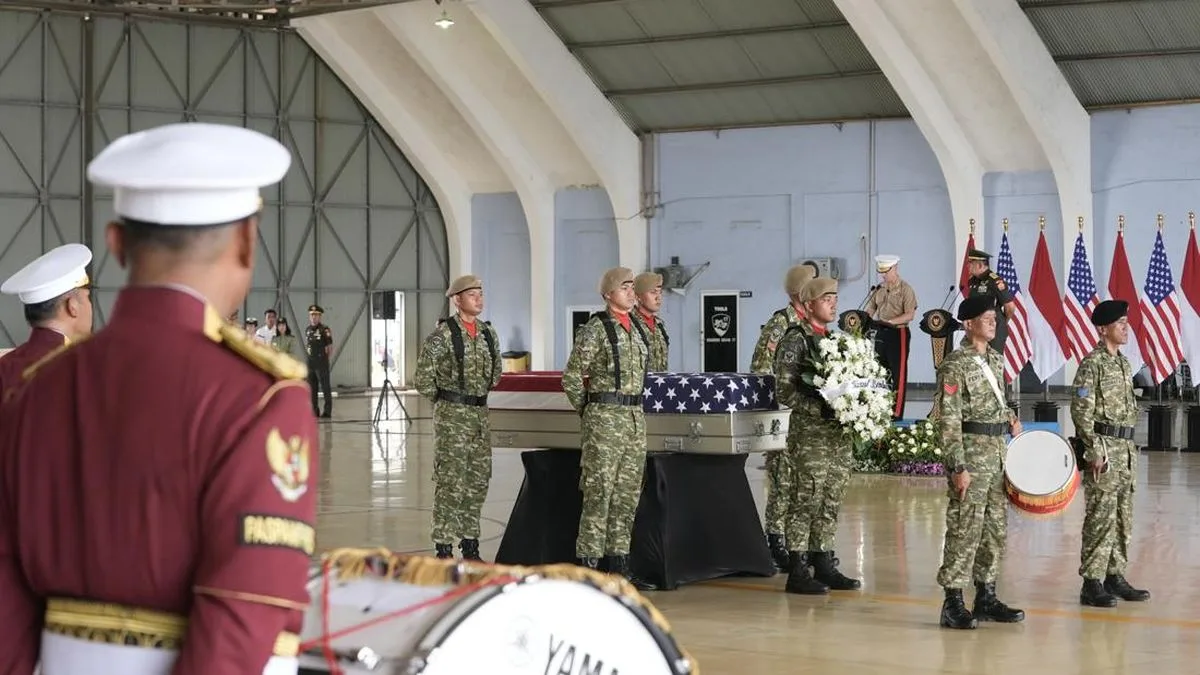
The Indonesian government officially handed over the remains of a United States soldier killed in World War II to the US side in a repatriation ceremony at the hangar of Air Squadron 17, Halim Perdanakusuma Air Base, East Jakarta, Friday (13/11). The remains were flown to Hawaii after more than eight decades buried in Morotai, North Maluku.
The identification process involved a joint team from the Defense POW/MIA Accounting Agency (DPAA), the Indonesian Ministry of Defense, the TNI Center for History, and local governments. The Indonesian National Police Forensic Laboratory also played a role in confirming the identity of the remains through forensic examination. This cross-institutional cooperation shows the complexity of searching for and identifying long-missing war casualties.
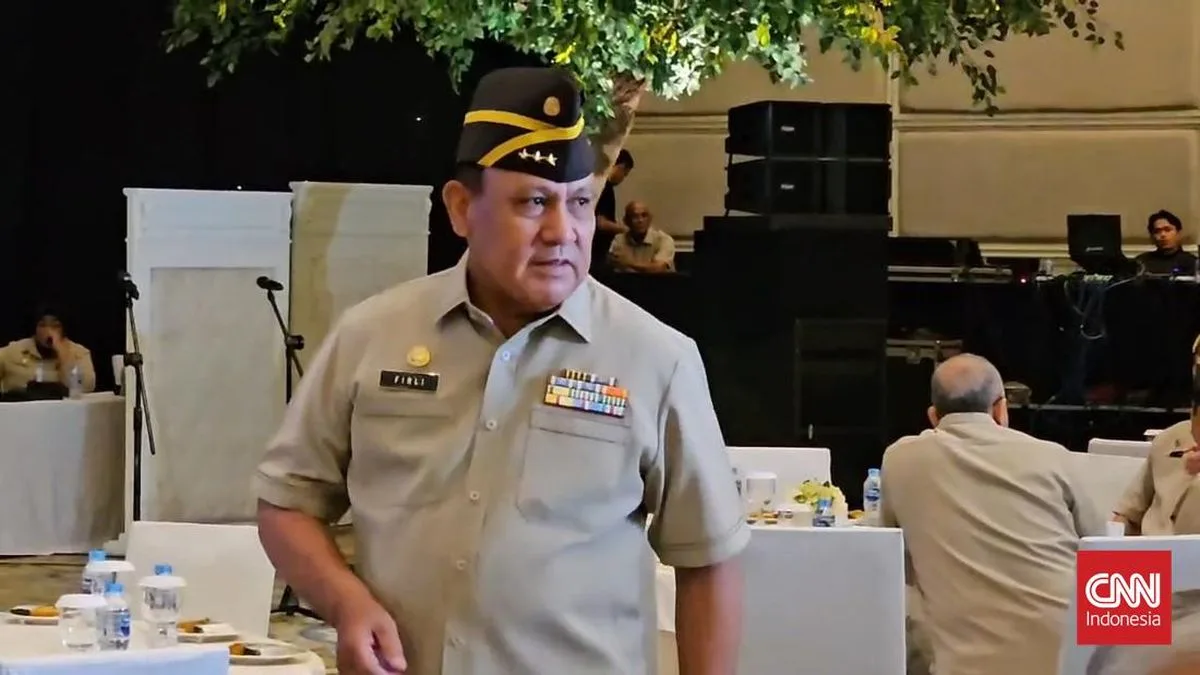
Inspector General of the Ministry of Defense Lt. Gen. Rui Duarte in his remarks called Morotai a witness to fierce fighting during World War II. He stressed that the ceremony was the highest form of respect for a soldier who had sacrificed his life. "For more than 80 years, the family kept waiting, their fate remained unknown, and the chair at the dining table stayed empty. Today, that wait is over," he said.
Deputy Commander of the US Pacific Command Lt. Gen. George Rowell expressed appreciation to the Indonesian government, Defense Minister Sjafrie Sjamsoeddin, the TNI Commander, and the people of Morotai. According to him, this cooperation reflects a humanitarian commitment that goes beyond practical political interests. "To the local officials and the people of Morotai Island, I want to say thank you on behalf of the United States Pacific Command and a very grateful American nation," Rowell said.
Nevertheless, around 2,500 remains of World War II casualties in Indonesia have still not been found. This figure is a reminder that the repatriation process does not stop at a single ceremony. The search in Morotai and other areas requires resources, technology, and patience because of the challenging terrain and the very old age of the findings.
From the perspective of bilateral relations, this repatriation strengthens the humanitarian dimension of the Indonesia-US partnership. Forensic and defense cooperation of this kind can serve as a foundation of trust for a broader strategic agenda, including joint military exercises and intelligence exchange. However, long-term success will depend on consistent funding and inter-agency coordination.
Going forward, the public will be watching whether the identification process for the other 2,500 casualties can be accelerated. The Indonesian and US governments need to consider a sustainable funding scheme and the use of the latest DNA technology. Without a breakthrough, the wait for the victims' families in both countries risks continuing without certainty.