
Welsh Labour Admits Losing Contact With Voters as Internal Review Becomes a Test
Baca dalam 60 detik
- Partai Buruh Wales kehilangan 21 kursi dalam pemilihan Senedd Mei lalu, menyisakan sembilan wakil dan mengakhiri 27 tahun kekuasaan.
- Pemimpin baru Ken Skates menyebut perlunya menemukan kembali tujuan partai dan merekatkan ikatan dengan masyarakat.
- Laporan independen dari Profesor Anand Menon akan dirilis menjelang konferensi partai, menjadi tolok ukur arah baru Labour.
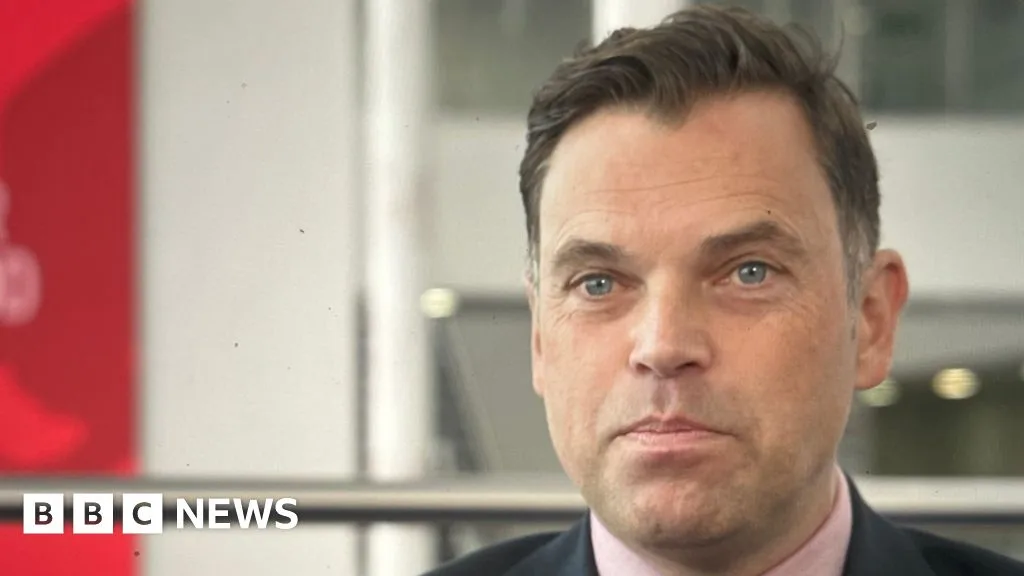
The Welsh Labour Party has admitted it lost the support of loyal voters in May's Welsh Parliament (Senedd) election, a defeat that forced it into opposition for the first time in the 27-year history of devolution. The party's new leader, Ken Skates, in an interview with BBC Wales, stressed the need to renew its direction and approach so the party can reconnect with communities across Wales.
The defeat was dramatic: of 30 seats, Labour retained only nine representatives in the Senedd. Plaid Cymru, which had spent years in the shadows, now holds the most seats and has installed its leader, Rhun ap Iorwerth, as first minister. For Labour, this is not merely an electoral defeat but a signal of shifting loyalties among the voters who had long been the party's backbone.
Skates, who took over the leadership after the election, said the internal review to be published this Saturday will confirm what is already plain: the party needs to rediscover its purpose. "We need to strengthen the soul of the party and rebuild a strong contract between the Welsh Labour movement and the people of Wales who share our values," he said on Friday (ahead of the conference).
The review, compiled by Professor Anand Menon of King's College London, is scheduled for publication a day before the party conference. Skates was reluctant to leak its contents but stressed that the report was produced independently and objectively. "We do not have our own version of the truth; what we have is the objective truth. However bitter it is, I hope the findings are accepted and become part of the movement to rebuild," Skates said.
He also highlighted the importance of leadership that addresses fundamental issues. "My passion has always been simple: no young person should be left behind because of poverty while growing up, and everyone should have the best chance to succeed," he said. Skates said he has much in common with Prime Minister Andy Burnham, from a Catholic background and closeness to communities to the same alma mater and a love of running.
On policy, Burnham has been lobbying the Welsh government hard to devolve more powers to the regions. But the policy has drawn criticism from several former Welsh ministers, including Lee Waters, who argues the approach does not fit the Welsh context. The Plaid Cymru government has promised a green paper on council powers, with possible legislation after the next election in 2030.
Skates stressed that the aspiration of the people of Wales is double devolution: greater powers for the Senedd in Cardiff Bay, but also from Cardiff Bay to local communities. "That is what people want," he said. He is confident the review will reaffirm public demand for broader autonomy at the grassroots level.
"We need to rediscover our purpose, strengthen the soul of the party, and rebuild a strong contract with the people of Wales." — Ken Skates, Leader of Welsh Labour
This party conference is the first stage for Skates to set out his vision for recovery. His speech on Saturday will indicate how far the party is willing to accept the review's findings and formulate a new strategy. Failure to articulate change could prolong the slump, while success will determine whether Labour can win back voters' trust at the next election.
The big question: can Welsh Labour turn the report into real action, or will it get stuck in recovery rhetoric that does not address the root of the problem? The Welsh public, and party members too, await the answer in Skates's speech this weekend.


