Witness Reveals Three Nominee Accounts at the Center of Silmy Karim's Foreigner Permit Corruption Case
Baca dalam 60 detik
- Seorang saksi mengaku diperintahkan atasannya agar tidak memakai rekening pribadi untuk menampung setoran dari biro jasa.
- Dana yang terkumpul dilaporkan tiap Jumat dengan nilai fluktuatif Rp20–40 juta, sementara saksi menerima jatah mingguan.
- Dakwaan terhadap Silmy Karim mencakup pemerasan Rp168,9 miliar serta gratifikasi tunai dan saham bernilai puluhan miliar.
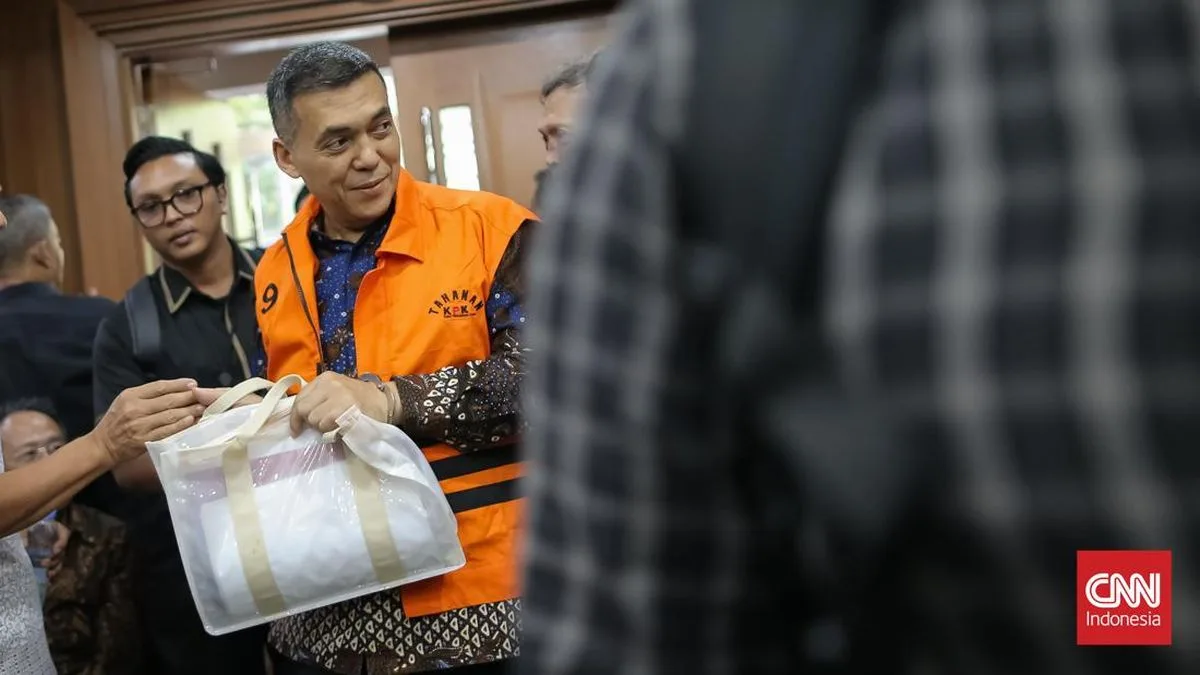
The practice of holding unofficial money in the processing of residence permits for foreign nationals (WNA) at the Directorate General of Immigration has once again come to light at the Jakarta Corruption Court. Yohanes Sri Winarto, a member of the Permanent Residence Permit Team at the Residence Permit Subdirectorate for the 2018–2025 period, admitted to creating three nominee accounts to hold deposits from service agencies. The admission emerged when he was presented as a witness in the alleged gratification and extortion case against former Deputy Minister of Immigration and Corrections Silmy Karim on Tuesday (17/11).
The public prosecutors (JPU) initially probed the scheme of additional payments of Rp1 million to Rp2 million per application flowing from service agencies to the Directorate General of Immigration. Yohanes explained that after the Covid-19 pandemic, the payment method shifted to bank transfers. However, he stressed that the funds did not go into an account in his own name. “My superior only said ‘Pak Yu, don't use Pak Yu's name’,” he said, mimicking his superior's instruction, which he said stopped there without further explanation.
The accounts used were not one but three. Yohanes borrowed the names of his wife, his wife's younger sibling, and an honorary staff member at the ministry. He claimed his wife did not know her name was used to hold the flow of money from service agencies. The practice ran routinely: every Friday, the funds were withdrawn and reported. The amount fluctuated with the busy or quiet periods of applications, around Rp20 million to Rp40 million per week. Of that amount, Yohanes admitted to receiving a share of Rp1.5 million to Rp2 million each week.
“When it's busy, we report around Rp40 million. When it's down, maybe Rp20 to Rp25 million,” Yohanes said in the courtroom.
The admission strengthens the suspicion that illegal levies in foreigner residence permit services are not merely the initiative of individuals in the field but part of an organized scheme. The instruction to avoid personal accounts indicates an awareness of the risk of tracking by law enforcement. The nominee account pattern—borrowing the identities of others—also complicates internal audits and investigations of financial transactions.
In the indictment, Silmy does not stand alone. He is alleged to have collaborated with Acting Director General of Immigration for the 2024–2025 period Saffar Muhammad Godam; Director of Residence Permits Jaya Saputra; Subdirectorate Heads at the Directorate of Residence Permits Bagus Bramantyo and Tessar Bayu Setyaji; Head of the Limited Stay Permit (ITAS) Status Transfer Team Juniadi Sri Priambudi; and Residence Permit Subdirectorate Staff Gusti Bernardiansyah. Each faces separate prosecution. This network highlights governance problems within immigration, especially weak oversight of financial transactions involving service agencies.
For the public, this case is not merely a corruption case against officials. Foreigner residence permit services concern the investment climate and business certainty in Indonesia. When unofficial costs become part of the process, the competitiveness of public services erodes and legal risks for foreign businesses rise. Transparency of levies and digitalization of payments are prerequisites if the government wants to clean up the image of immigration services.
The trial will continue with the agenda of examining witnesses and experts. The question is, to what extent can prosecutors prove the flow of funds to the defendants beyond the nominee accounts that have been admitted? Without thorough tracing, similar practices could resurface with a tidier modus operandi.