Hyperscale Data Sells All Its Bitcoin, Now at Risk of Funding Shortfall for Rp19 Trillion AI Project
Baca dalam 60 detik
- Hyperscale Data (GPUS) mengaku butuh tambahan US$74,8 juta hingga Maret 2027 untuk menyelesaikan infrastruktur AI di Michigan.
- Perusahaan hanya memiliki kas tak terbatas US$17 juta per September, sementara liabilitas jangka pendek mencapai US$231 juta.
- Manajemen menimbang opsi pendanaan baru, namun program penjualan saham langsung ke pasar sedang dihentikan sementara.
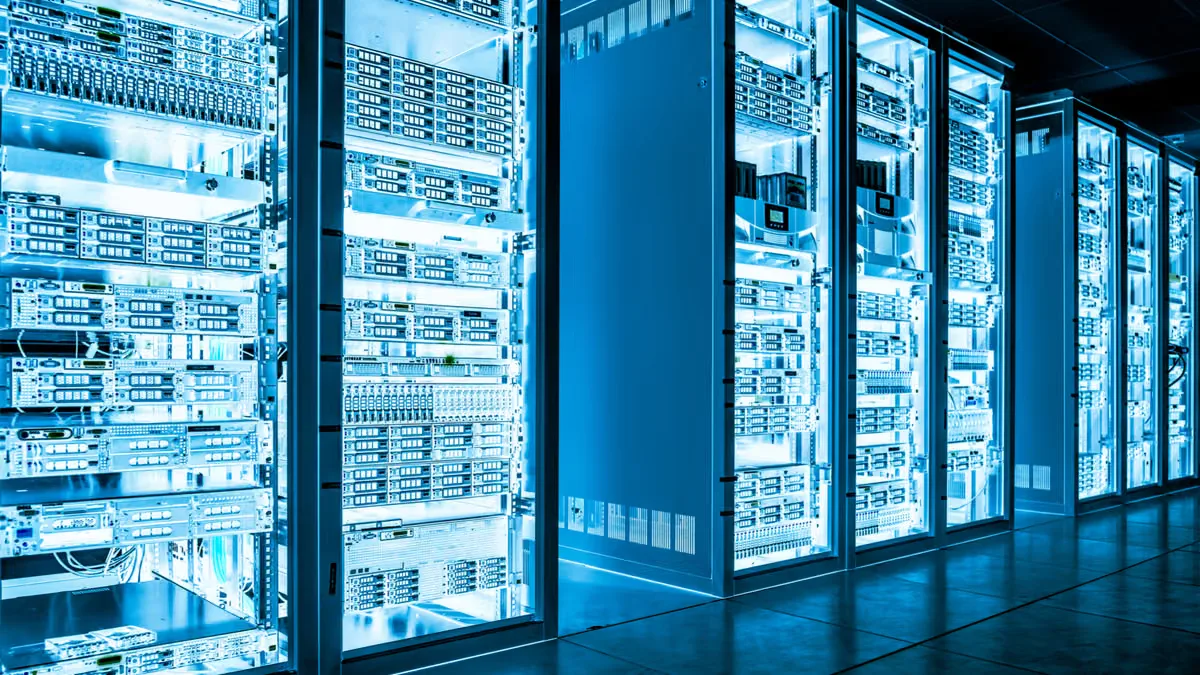
Hyperscale Data (ticker GPUS) has disclosed substantial doubt about its ability to continue operating after spending its entire bitcoin reserve to finance a transformation into the artificial intelligence computing business. In a regulatory filing released Wednesday (19/11/2026), the issuer formerly known as a bitcoin miner said it needs an additional US$74.8 million between November 2026 and March 2027 to complete infrastructure construction for AI clients at its Michigan data center.
Hyperscale's financial condition is at a critical point. As of the end of September, the company's unrestricted cash stood at just US$17 million, while its short-term liabilities reached US$231 million. The gap between current liabilities and current assets widened to US$128 million. The cash figure fell by more than half compared with the end-June position of US$36.8 million. This liquidity pressure emerged right after the company sold its last 211 bitcoin, worth about US$16 million, last week, bringing total bitcoin sales since the end of July to about 1,113 BTC, or roughly US$74 million.
In the document, management stated that existing funds and available financing facilities will not be sufficient to cover capital expenditures and obligations over the next 12 months. This statement raises "substantial doubt" about the company's going concern. Hyperscale had in fact issued a similar warning in August, indicating that the liquidity problem is not new and tends to be worsening.
The project at the root of the problem is the conversion of a former bitcoin mining facility in Dowagiac, Michigan, into a data center serving AI companies. In June 2026, Hyperscale signed a contract with an unnamed California-based AI infrastructure provider for 20 megawatts of computing capacity. The company promoted the deal as a contract with a potential value of US$1.2 trillion—a figure achievable only if the client exercises two five-year extension options after the initial 10-year term and Hyperscale meets all its obligations. Construction and equipment costs for the project are estimated at US$122.1 million, with US$47.3 million already paid through October. The company targets operating the first 10 megawatts in December 2026 and the next 10 megawatts by the end of March 2027.
"Management is considering additional equity and debt financing, asset sales, and other transactions to cover obligations," the filing said, adding that its at-the-market common stock sales program is currently suspended.
Hyperscale's move reflects a broader trend among bitcoin miners flocking to the AI data center business. The surge in computing power demand for AI models has turned mining sites and large power connections into strategic assets. However, this transition demands heavy capital expenditure and new debt. MARA, for instance, sold US$1.1 billion worth of bitcoin, used US$750 million to repay bitcoin-backed loans, then issued an additional US$185 million in debt tied to a power plant in Ohio. Riot even estimates it will spend about US$5.5 billion on the Anthropic project and is willing to pay its client an annual 12% interest through rent discounts if it fails to obtain funding on reasonable terms.
For investors, the Hyperscale case is a reminder that the diversification-to-AI narrative does not automatically eliminate execution risk. GPUS shares closed up 1.75% at 15.7 cents on Wednesday, but this report was published only after the market closed, so the market reaction will be seen in the next trading session. With the December deadline approaching and cash running thin, the company faces a credibility test: whether it can convince creditors and shareholders to inject more funds, or whether it becomes the first example of a bitcoin miner that failed to cross into the AI era.
In Indonesia, this phenomenon is relevant to data center and renewable energy industry players eyeing similar opportunities. Several national mining and energy companies have explored converting land into computing facilities, but without a mature funding structure, similar risks could emerge. The question going forward: will the capital market regulator tighten going concern disclosure for issuers transforming into capital-intensive technology sectors, or will it let the market judge for itself?