UK–EU Youth Mobility Scheme Nears Final Deal, 100,000 Young People Could Work and Study
Baca dalam 60 detik
- London dan Brussel dikabarkan akan menyepakati kuota timbal balik 100.000 pemuda per tahun untuk bekerja dan belajar, hasil KTT di Brussel.
- Kesepakatan dagang pangan berpotensi menambah £5 miliar ke ekonomi Inggris, tetapi memicu tuduhan pengkhianatan Brexit dari oposisi.
- Pemerintahan Burham harus menavigasi parlemen dan tekanan internal partai untuk merealisasikan komitmen yang sempat ditolak saat masih oposisi.

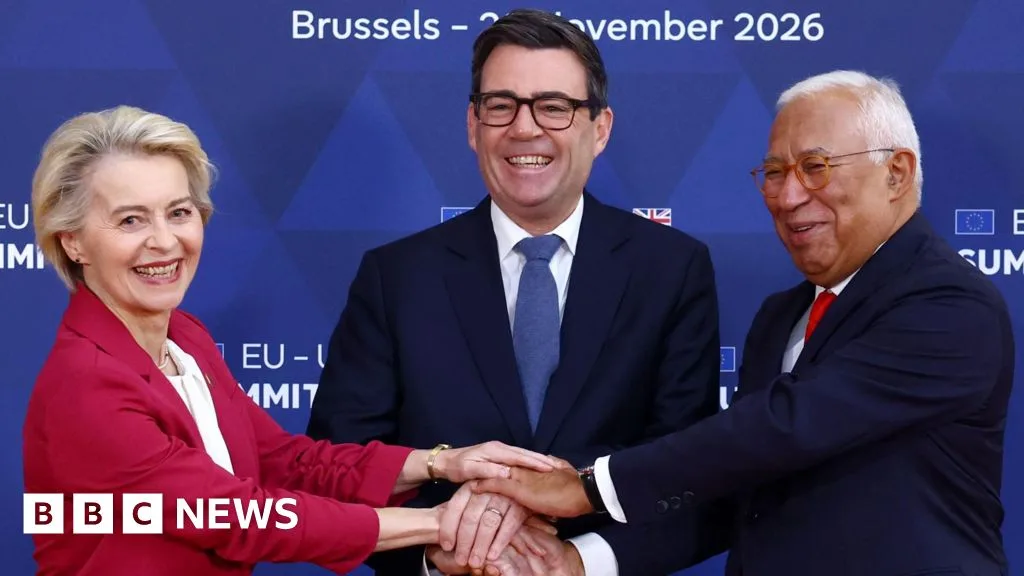
Britain and the European Union are reported to be close to an agreement on a youth mobility scheme that would allow up to 100,000 people aged 18–30 from each side to work and study in the partner's territory for one year. The deal is scheduled to be approved at the UK–EU summit in Brussels on Friday (local time), although Downing Street insisted talks were still tough going as of Thursday night.
The scheme is a political test for Prime Minister Andy Burnham, who must balance the Labour Party's 2024 manifesto pledge—rejecting a return to the single market and freedom of movement—with the urgent need for economic growth. The government argues that a food trade deal could cut import costs and add around £5 billion to gross domestic product, but the regulatory concessions that come with it have triggered resistance from the euroskeptic camp.
Negotiations have stumbled on two main issues: Britain's demand to cap the number of participants and the EU's insistence that European students pay the same tuition fees as domestic UK students. The UK government is also pushing a "Channel action plan" for immigration enforcement cooperation, including the exchange of data and criminal records of foreign nationals.
Labour, while in opposition, rejected a similar proposal in 2024 on the grounds that it amounted to freedom of movement. Now in power, the party is willing to consider a more limited scheme—with a time limit, a quota, and a ban on accessing benefits. The shift has drawn criticism from the opposition. Conservative Party leader Kemi Badenoch accused Burnham of "reopening the divisions" of the Brexit referendum, while Reform UK leader Nigel Farage called the deal a "very costly mistake" and questioned the government's democratic mandate.
"I have always sought the best for Britain. What we get is the possibility of cheaper food prices, lower business costs, less red tape, and the potential for greater immigration cooperation—that is a big achievement if it can be delivered," Burnham told broadcasters on Thursday night.
From the pro-European integration camp, Liberal Democrat leader Ed Davey said Burnham's move did not go far enough. He urged the government to return to full freedom of movement as a solution to immigration problems and to boost the economy. Conversely, former deputy prime minister David Lammy urged Labour to make rejoining the EU an election pledge, although the issue is said to be dividing the cabinet.
For Indonesia, the deal is worth watching because it could reshape the competition for skilled labor and the flow of international students. If Britain and the EU open their doors to each other's young workers, Asian countries—including Indonesia—could face tougher competition in sending talent to Europe, while also finding new opportunities for companies seeking to recruit graduates from the region. In addition, lower food prices in Britain could affect import demand from trading partners, including Indonesian agricultural and processed products.
The UK government says it will put a bill before parliament next week if a deal is reached. But with the opposition preparing to reject it and internal divisions within the governing party, the future of the scheme still depends on Burnham's ability to convince parliament that a compromise with Brussels is not a betrayal of Brexit but a pragmatic path to economic stability. Will parliament pass a scheme the party itself once rejected, or will this become a new chapter in Britain's struggle over its identity in Europe?