COP31 Enters Final Day: African Minister Challenges Rich Nations, 'We Did Not Come Here to Beg'
Baca dalam 60 detik
- Kelompok Negosiator Afrika menuduh negara maju melanggar komitmen Paris Agreement dan menggagalkan pembahasan pendanaan iklim di COP31 Antalya.
- Uni Eropa dituding memimpin blok negara kaya yang menghambat kemajuan soal transisi berkeadilan dan target adaptasi global.
- Afrika menuntut posisi setara dalam transisi energi, bukan sekadar pemasok sumber daya bagi agenda negara lain.

Developed countries are seen as eroding trust in the UN Climate Conference (COP) process by failing to honor funding pledges under the Paris Agreement. The accusation was made by the Chair of the African Group of Negotiators, Zanetor Agyeman-Rawlings, on the final official day of COP31 in Antalya, Turkey, Friday (20/11/2026).
"We did not come here to beg," Agyeman-Rawlings said firmly at a press conference. She stressed that the African delegation's presence was to demand the rights of its people, who bear the heaviest impact of industrial activity in developed countries. According to her, developing countries are being asked to pay for consequences they never caused.
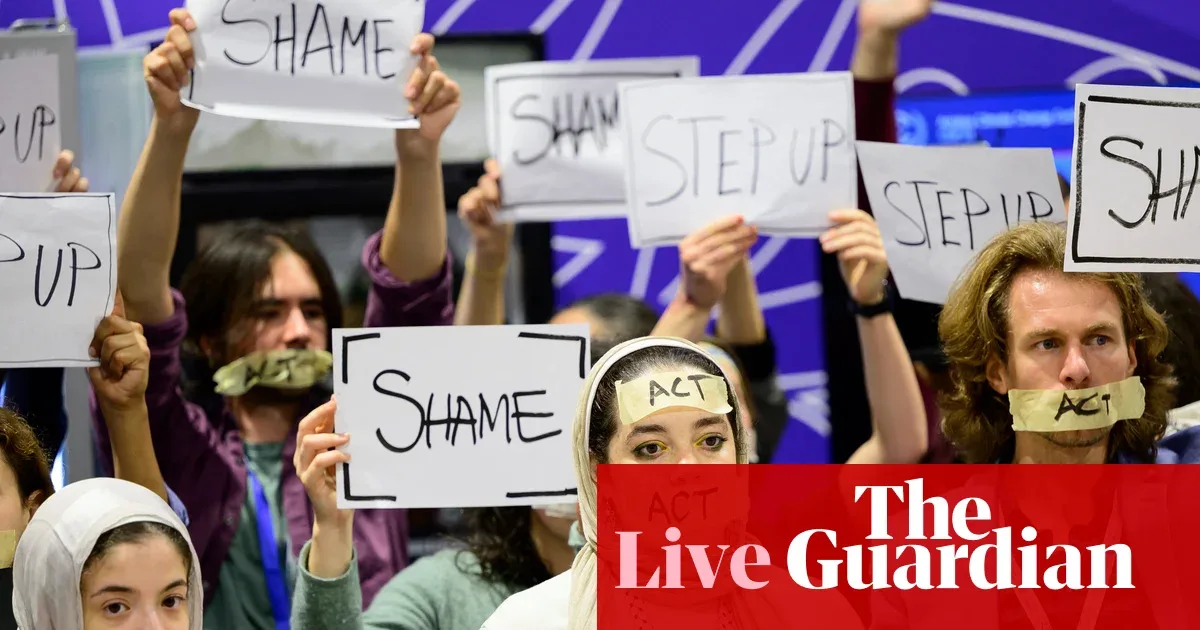
Africa, she continued, is being sidelined through complicated technical procedures, inaccessible funding, and constantly shifting targets without pledges being realized. The sharp statement came after civil society groups highlighted the role of the European Union as the leader of the wealthy bloc that is slowing negotiations on climate funding, just transition, and adaptation.
In her remarks, Agyeman-Rawlings highlighted the stance of several countries that chose from the outset to stay outside the agreement framework. She considered that stance honest and transparent. However, she did not name the countries explicitly. "What we regret is those who remain inside this framework but continue to damage the process, the trust, and the credibility of our work," she said, as reported by The Guardian.
Africa demands its legitimate right to develop. Agyeman-Rawlings recalled the continent's dark history, from the transatlantic slave trade to resource exploitation in the colonial era. She rejected the new energy transition becoming another chapter of repeated exploitation. "Africa must take its rightful place and be part of the transition, not merely a supplier of resources for a transition undertaken by others," she said.
The statement reveals an old fracture in the global climate architecture: rich countries pledge to finance the transition, but the disbursement of funds is often stalled by bureaucracy and burdensome conditions. The tension in Antalya is a test for COP's credibility as a multilateral forum. If the final draft does not contain clear funding commitments, developing countries risk losing trust in a process that has run for more than three decades.
For Indonesia, this dynamic is relevant. As a developing country with vast tropical forests and large energy transition funding needs, Indonesia faces a similar problem: access to international climate funds is often hampered by technical requirements and the political interests of donor countries. Indonesia's position within the bloc of developing countries can strengthen demands that climate funding be fair and not add to the debt burden.
The final day of COP31 will determine whether this tension ends in compromise or deadlock. The question is, will developed countries honor the pledges already made, or will they widen the trust gap that has so far been the foundation of climate diplomacy?