Institutions Accumulate Bitcoin Again: Net Buying of Rp66 Trillion in Q3, Largest Since 2025
Baca dalam 60 detik
- Galaxy Research mencatat pembelian bersih 49.229 BTC oleh institusi pada kuartal III, setara Rp66 triliun, membalikkan tren jual sembilan bulan sebelumnya.
- Platform kekayaan mendominasi dengan rekor 24.838 BTC, dipimpin Wells Fargo yang hampir menggandakan kepemilikan menjadi 30.553 BTC.
- Penurunan harga bitcoin pasca-September akan menguji ketahanan alokasi institusi, dengan laporan 13F Februari menjadi penentu arah.

Institutions added exposure to bitcoin again through United States spot funds in the third quarter of 2026, with net purchases reaching 49,229 BTC, or about US$4.11 billion (Rp66 trillion), based on end-September prices. The figure signals a reversal after nine consecutive months in which institutional positions were eroded by selling.
A Galaxy Research report released this week found that the buying volume was the largest since the second quarter of 2025 and more than enough to offset net selling of 47,054 BTC in the previous period. The data was compiled from 13F forms that investment managers with at least US$100 million in assets under management must submit to the SEC, then converted into bitcoin units so that price fluctuations do not distort the calculation.
Notably, half of the purchases came from firms that manage money for wealthy individuals. This group now controls 40.5% of all reported institutional shares in bitcoin funds—the highest proportion since the funds were launched in January 2024. Galaxy called the expansion of the wealth management segment the most significant finding of the quarter.
Wells Fargo stood out among the 19 wirehouses and brokerage platforms tracked by Galaxy. The San Francisco-based bank's holdings nearly doubled to 30,553 BTC, the largest position reported by a single entity in 13F forms. About 85% of that sits in its advisory and brokerage units, meaning most of it is client money rather than the bank's own bet.
Not every bank reflects client demand, however. Bank of America added 7,201 BTC, but about 90% of its position sits in its dealer and trading unit. Galaxy assessed the increase as dealer positioning rather than demand from wealthy clients. "We read the increase as dealer positioning, not demand from wealth clients," Galaxy wrote in the report.
Hedge funds also bought. Brevan Howard added 8,606 BTC and Millennium Management 7,114 BTC. However, 13F forms show only shares held, not short positions or most derivatives. As a result, hedge fund purchases are not necessarily directional bets on price; they could be part of a basis trade—buying spot fund shares while selling bitcoin futures to capture the price gap. Under this scheme, the reports can look bullish even when net bitcoin exposure is zero.
The concentration of buying among a handful of large players is clear: the top 50 holders added 59,578 BTC, while all other managers collectively sold a net 10,349 BTC. Galaxy expects the wealth management channel to keep growing because of financial advisers' investment patterns. "Because these accounts are long-term focused and use target allocations per asset class, advisers tend to buy when the asset falls and sell when it rises, which helps lower volatility and cushion drawdowns," Galaxy wrote.
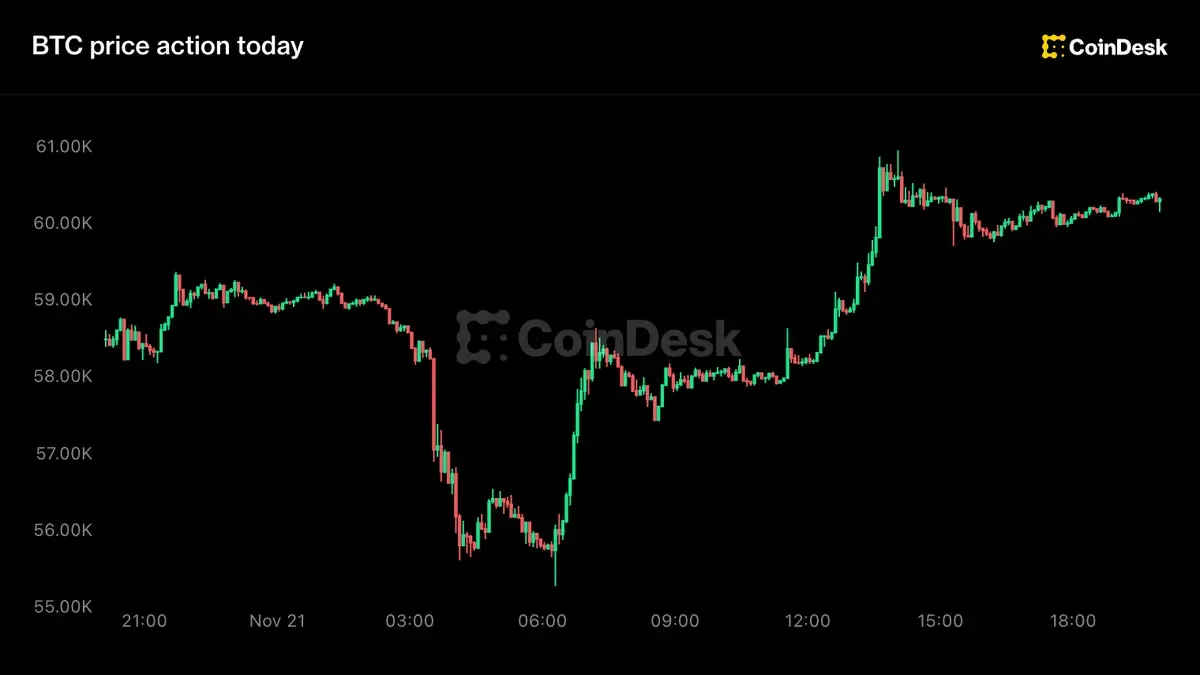
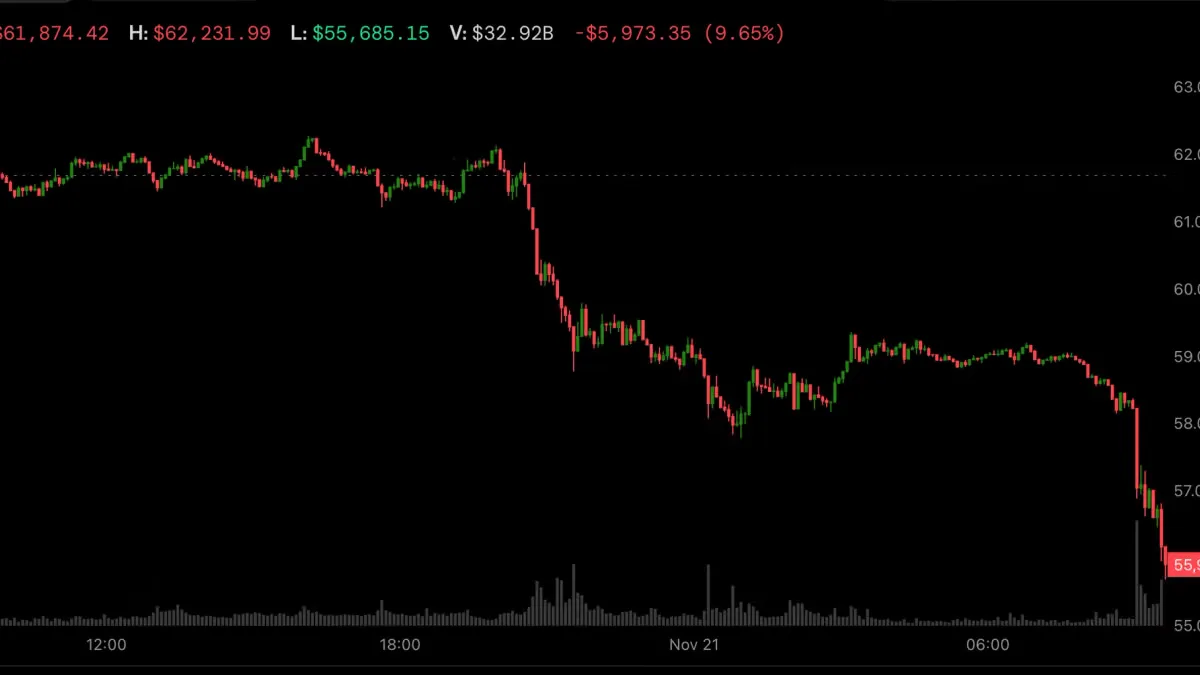
That expectation was immediately tested. The 13F data reflects positions only as of 30 September. By 16 November, the funds had shed 38,531 BTC and the bitcoin price had fallen to US$64,943 from US$83,580, according to Galaxy. The next 13F reports in February will show how institutions responded to the decline.
For Indonesian investors, this dynamic is relevant because the domestic crypto market is increasingly connected to global liquidity. When US institutions adjust allocations, the effect can spill over to bitcoin prices on local exchanges and to portfolios of digital asset-based mutual funds. The question is whether the target allocation strategy cited by Galaxy can truly withstand the wave of selling, or whether it instead accelerates the correction as prices keep weakening.