Argentina Stadiums Empty After Messi Retires, Emiliano Martinez Calls for Ticket Price Cuts
Baca dalam 60 detik
- Dua laga uji coba Argentina pasca-pensiunnya Lionel Messi hanya dihadiri separuh kapasitas stadion, memicu kekhawatiran menurunnya minat suporter.
- Kiper Emiliano Martinez meminta federasi menurunkan harga tiket dan menggencarkan promosi agar masyarakat, terutama anak-anak, kembali dekat dengan tim nasional.
- Absennya Messi mengubah lanskap komersial sepak bola Argentina; tanpa bintang magnet, strategi harga dan pengalaman menonton menjadi penentu masa depan pendapatan federasi.

Lionel Messi's departure from the Argentina national team has left a void not only on the pitch but also in the stadium stands. The first two friendlies for La Albiceleste after the captain's retirement drew crowds far below capacity, raising concerns about the future appeal of the national team in the eyes of the public.
In the match against Uruguay at the Bombonera Stadium, Buenos Aires, last November, only about 20,000 to 25,000 people attended—less than half of the 58,000 capacity. The 1-2 defeat to Uruguay further dampened the mood. A similar trend was seen when Argentina hosted Costa Rica at the Estadio Mario Alberto Kempes, Cordoba. Despite a resounding 7-0 win, only 31,000 spectators were officially recorded out of 57,000 available seats. The daily Clarin even reported that a number of tickets were given away free a few hours before kick-off, and many supporters only entered the stadium once the match was underway.
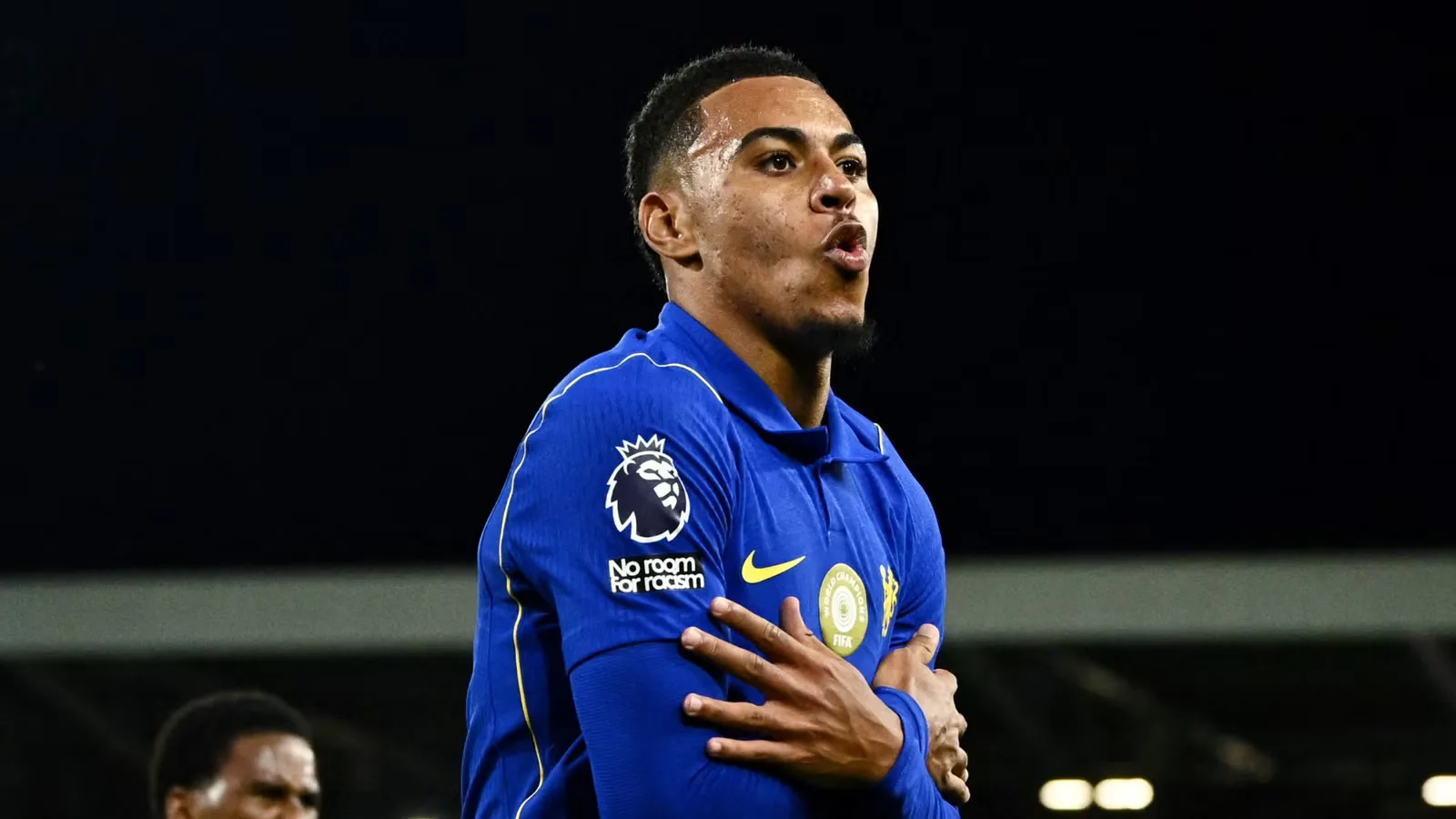
Goalkeeper and captain against Costa Rica, Emiliano Martinez, spoke out. He argued that the sparse crowds were not merely about price but also about the emotional bond between the team and its supporters. "We want to play in fuller stadiums. We have to bring the kids in and make people fall in love with this national team again," Martinez said in the mixed zone.
"We know Leo isn't here and people want to see him more. But this is the Argentina national team and we need their affection and support. Lower ticket prices a bit, fill the stadium," said the 34-year-old Chelsea goalkeeper.
Martinez's statement highlights a broader challenge: how Argentine football transforms from the glamorous Messi era into a collective identity that remains magnetic. For 21 years, Messi was the face of the team, winning two Copa America titles and the 2022 World Cup. He retired from the national team in September after the 2026 World Cup, with 208 caps and 126 goals—a record that places him level with Luka Modric as the second-most capped men's international player, behind Cristiano Ronaldo, who also recently announced his retirement.
This phenomenon is not new in football. Major clubs in Europe and Latin America often see attendance drop after losing their icons. For Argentina, however, the impact could be more pronounced because Messi is a global symbol who draws audiences across generations. The decline in interest also has implications for the federation's revenue from tickets and sponsors.
On the other hand, coach Lionel Scaloni has his work cut out rebuilding the team's identity. Although Argentina remain solid in performance—four wins in five matches since the World Cup—public enthusiasm needs to be restored. Martinez's call for lower ticket prices could be a signal that the federation needs to innovate in its marketing strategy, for example with family ticket programs or special packages for young people.
For Indonesian football, this case is a mirror. The Indonesia national team has also experienced excessive euphoria when naturalized stars were present, but the challenge is sustaining public interest when that generation changes. PSSI and league operators can learn that reliance on a single figure is not sustainable; building a culture of watching national football from an early age is key.
Looking ahead, can Argentina fill the void left by Messi's magnetism with an appealing collectivity? Or will they need to find a new face—whether from the academy or the diaspora—to fill the stadiums again? The answer will shape the commercial direction and achievements of La Albiceleste in the post-Messi era.