COP31 on the Brink of Failure: 100 Organizations Demand Rich Countries Take Responsibility
Baca dalam 60 detik
- Seratus organisasi lingkungan menuntut presiden bersama COP31 mengubah draf kesepakatan yang dinilai menguntungkan industri fosil.
- Mereka menilai negara maju memblokir kemajuan dan tidak membawa komitmen pendanaan iklim baru, sehingga Global South terabaikan.
- Desakan mencakup penghapusan target carbon capture, pengakuan hak masyarakat adat, dan penegasan tanggung jawab pendanaan publik negara kaya.
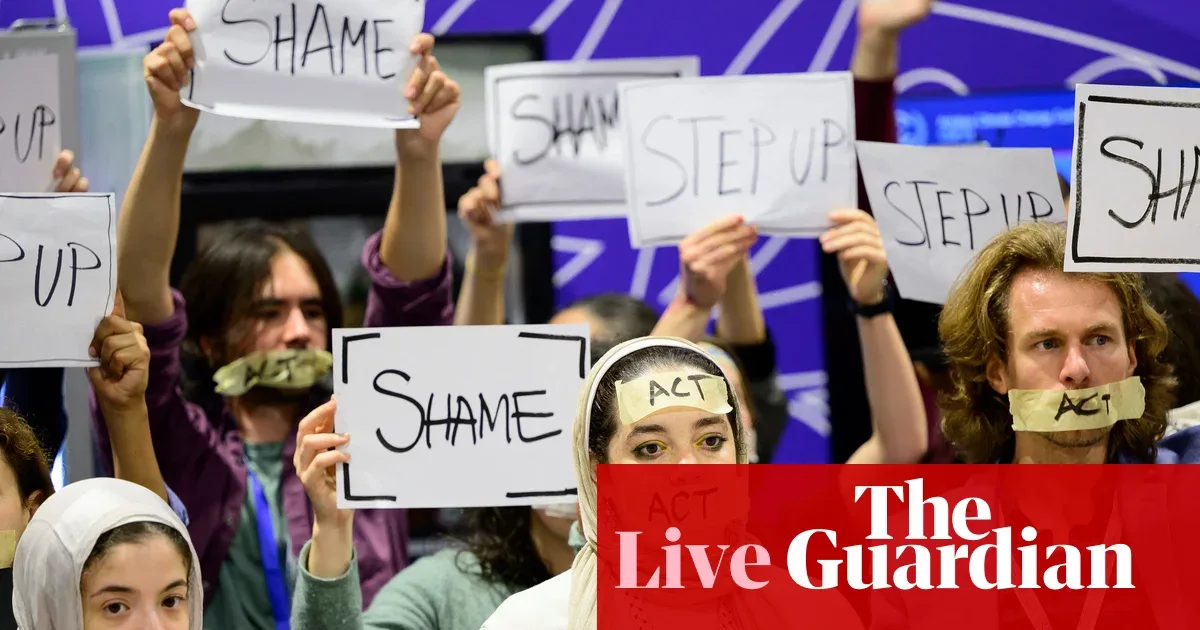
The UN climate conference COP31 in Brisbane is entering critical hours without a final agreement, after one hundred civil society organizations sent an open letter to the co-presidents Chris Bowen and Murat Kurum. They warned that without a course correction, the forum will be recorded as one of the most disappointing COPs in UNFCCC history.
The letter, sent on Friday night local time, highlights the imbalance between developed and developing countries. According to the coalition, rich countries are blocking progress across various negotiating tracks and have arrived without new climate finance pledges. “The Global South is being left behind,” the letter said, as quoted by the Guardian.
The main criticism is directed at the circulating draft of the umbrella text. The coalition considers the document too accommodating to the interests of the fossil fuel industry. The main cause of the climate crisis—coal, oil, and gas—is not explicitly named as the source of the problem that must be addressed.
In their letter, the coalition said the draft bears the hallmark of an agreement that lets carbon capture through in exchange for electrification targets—without requiring renewable-based electricity or guaranteeing access for the people who need it most. “Nothing in this draft can be defended,” they said.
In addition, they asked Bowen and Kurum to remove the carbon capture target, restore commitments to protect Indigenous peoples' rights, and include a mechanism for rich countries to be held accountable for public climate finance. The coalition also urged COP31 to explicitly welcome the advisory opinion of the International Court of Justice (ICJ) affirming states' obligations to protect the climate.
“Without a link between electrification targets and renewable power generation and a transition away from fossil fuels, the target risks driving additional electricity demand while fossil dependence remains intact,” the letter warned.
The coalition also asked the COP31 presidency to continue the COP30 roadmap on the transition away from fossil fuels, together with the COP30 and COP32 presidencies, through presidency-led dialogues up to the second Global Stocktake outside the consensus process. Otherwise, Ethiopia will bear the burden of that failure when it hosts COP32.
For Indonesia, the dynamics of COP31 are relevant because of the country's position as one of the largest owners of tropical forests and a major global coal producer. Domestic energy transition policy, including renewable energy mix targets and the early retirement program for coal-fired power plants, will be strongly influenced by the direction of the global agreement on finance and fossil reduction. If COP31 fails to produce clear funding commitments, developing countries like Indonesia will find it increasingly difficult to finance the transition without burdening the domestic budget.
As of this news being published, there has been no official response from the COP31 co-presidency. However, pressure from one hundred organizations shows that the legitimacy of the agreement will depend on the extent to which the final text reflects climate justice, not merely diplomatic compromise. The question is, will developed countries change course within hours, or will COP31 truly become a stage for collective failure?