Scottish Labour Leader Calls for UK to Rejoin EU, Challenges London Policy
Baca dalam 60 detik
- Michael Marra secara terbuka mendesak Inggris bergabung kembali dengan Uni Eropa sebagai tujuan jangka panjang, meski kebijakan resmi Partai Buruh dan pemerintah Inggris belum mendukung.
- Seruan ini muncul menjelang kunjungan Perdana Menteri Andy Burnham ke Brussels untuk menandatangani kesepakatan dagang, menandakan pergeseran politik di Skotlandia.
- Partai-partai oposisi di Skotlandia merespons dengan kritik dan dukungan, sementara Marra berupaya memasukkan agenda rejoining ke manifesto pemilu berikutnya.

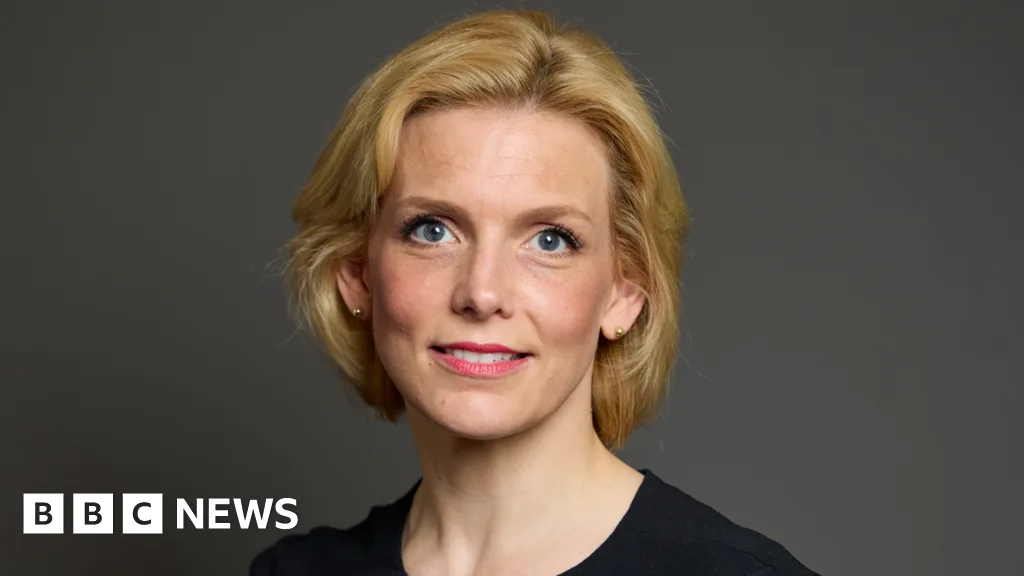
Scottish Labour leader Michael Marra has unexpectedly called for the UK to rejoin the European Union (EU), a move he described as a "long-term goal" for the whole of the UK. The call was made in his first major speech as party leader at the University of Edinburgh on Friday (14/3/2025), and immediately sparked political debate at the national level because it differs from the official position of UK Labour and the government.
Marra stressed that he wants "solidarity, not separation" and acknowledged that the process of rejoining the EU "will not be easy". He also recognized there would be "serious questions" regarding currency and borders before the UK could return to the bloc. However, he argued that Scotland must lead that change. "The UK must rejoin the European Union and Scottish Labour will work to make it happen," he said.
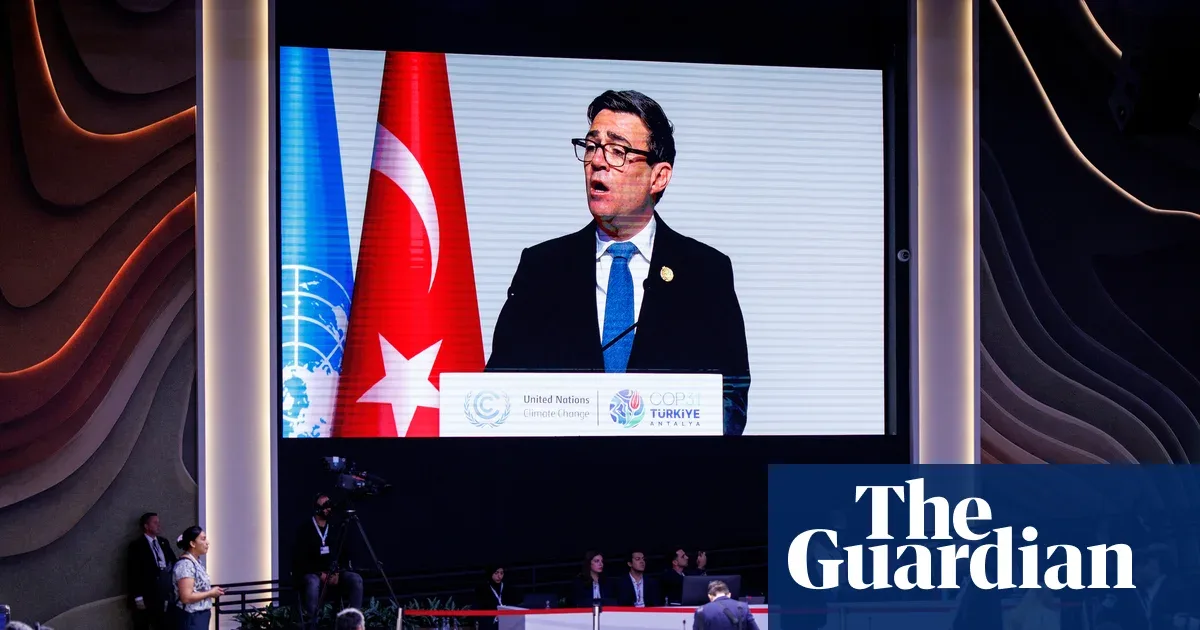
Marra's statement goes beyond the position of Prime Minister Andy Burnham, who had previously only wanted to explore closer relations with Europe without explicitly mentioning rejoining. Last month, the UK government did rule out rejoining the EU in this parliamentary term. Marra also acknowledged that UK Labour policy has not reached that point. "This is a distinctively Scottish Labour position," he said, adding that his predecessor, Anas Sarwar, only pushed for closer post-Brexit relations without calling for full membership.
In his speech, Marra laid out the economic argument behind his call. According to him, "removing barriers" with European countries would "help Scottish businesses grow, attract investment, and create jobs with better wages". He also believes the move could "help lower prices and generate more money for public services". While acknowledging that rejoining "will not solve all problems", he stressed, "If we are serious about growth, we cannot keep ignoring the opportunities in front of us."
Marra's call drew mixed responses from Scottish parties. SNP deputy leader Keith Brown questioned Labour's consistency: if the EU referendum decision 10 years ago can be revisited, why not the Scottish independence referendum decision 12 years ago? Meanwhile, Scottish Liberal Democrat leader Alex Cole-Hamilton welcomed the move and called for a realistic roadmap to Europe, starting with rejoining the single market and forming a customs union. Scottish Green co-leader Gillian Mackay agreed with Marra's position but accused Labour of hypocrisy for ignoring calls for an independence referendum. Scottish Conservative leader Russell Findlay said Scots were "fed up with constitutional uncertainty" and wanted politicians to focus on the cost of living, tax cuts, and improving public services. As for Reform UK Scotland's Max Bannerman, he stressed that the country does not need to rejoin the EU to achieve growth.
"The UK must rejoin the European Union and Scottish Labour will work to make it happen. I do not pretend this will happen quickly. But I believe we must set it as a long-term goal." — Michael Marra
Marra's speech comes ahead of Prime Minister Andy Burnham's visit to Brussels next week to sign a series of agreements with the EU. The agreements focus on reducing post-Brexit trade barriers for food and agriculture, closer cooperation on emissions trading, and making it easier for young Britons to work, live, and study in Europe, and vice versa. Burnham's move itself has already sparked speculation about a shift in Labour policy toward Europe, though it has not reached a rejoining position.
Political analysts see Marra's call as an effort to highlight Scottish Labour's identity amid competition with the SNP, which also vigorously presents itself as a pro-EU party. As a new leader, Marra needs to create a splash to strengthen his position, while also asserting Scottish Labour's dual role: challenging the Scottish government and influencing the UK government. However, he still has to convince his own party to include the rejoining issue in the next election manifesto. Scottish public support for the EU is indeed relatively high, but the road to full membership remains full of obstacles, especially because of the difference in position with UK Labour.
The UK's return to the EU is indeed no simple matter. Besides currency and border issues, there is also resistance from some politicians who consider constitutional issues a mere distraction from real economic problems. However, Marra's call marks that the debate over Brexit and the future of UK-Europe relations is not over. Will Scottish Labour be able to push this agenda onto the national stage, or will it be isolated for differing from central policy? Time will tell, but political pressure on Downing Street is certain to increase ahead of the next election.