COP31 Blows Past Deadline: Fossil Fuels Vanish From Draft, African Nations Refuse to Negotiate With Hands Tied
Baca dalam 60 detik
- Konferensi iklim COP31 di Antalya, Turki, resmi melewati jadwal penutupan Jumat malam karena draf kesepakatan tidak lagi mencantumkan komitmen penghentian bahan bakar fosil.
- Blok Afrika dan sejumlah negara kepulauan menolak teks yang dianggap melemahkan keadilan transisi, sementara Arab Saudi disebut mendorong teknologi penangkap karbon sebagai kompromi.
- Ketegangan ini mempertaruhkan kredibilitas proses multilateral menjelang batas waktu 1,5C, dengan Indonesia berpotensi terdampak langsung pada pendanaan transisi energi dan posisi di rantai pasok mineral kritis.

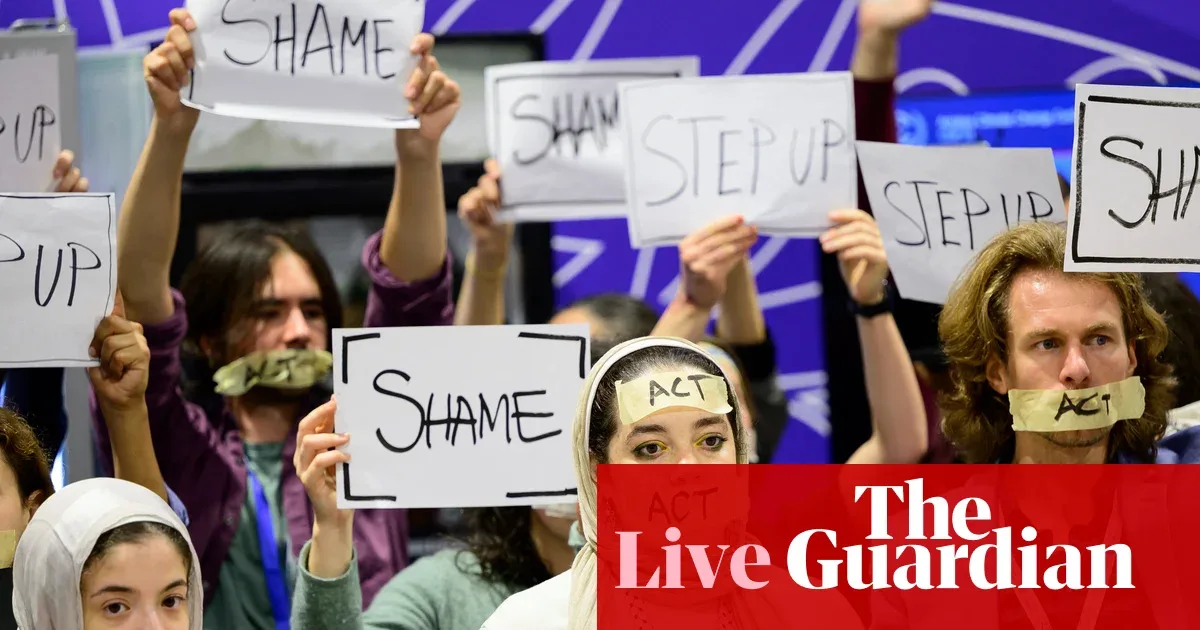
UN climate negotiations in Antalya, Turkey, officially passed the Friday night deadline after nearly 200 countries failed to agree on a final text that no longer contains the phrase on phasing out fossil fuels. The latest draft circulating Thursday night significantly cut back the initial ambition, sparking anger from the African bloc and several island nations who say the COP31 process has lost its way.
The most striking change came in the second draft: from a thick initial document calling for an accelerated phase-out of coal, oil, and gas, to a slimmed-down version that does not mention fossil fuels at all. Electrification targets were also softened. Several delegations described the revision as a quiet victory for oil-producing countries that had rejected ambitious language from the start.
A Brazilian climate official, Aloisio Lopes Pereira de Melo, said almost no one was satisfied with the situation. According to him, disagreements cover adaptation finance, just transition mechanisms, and recognition of loss and damage from the climate crisis. A new draft is expected only on Saturday morning, prolonging uncertainty in the negotiating hall.
The most dramatic intervention came from African ministers from Ghana, Zambia, Senegal, Kenya, and Sierra Leone. They rejected the narrative that the continent must bear the burden of a crisis it did not create. Zanetor Agyeman-Rawlings, chair of the African negotiators group, insisted that Africa did not come to beg but to demand its right to a fair low-carbon future. She also accused rich countries of designing a third exploitation of Africa—after slavery and colonialism—through carbon taxes that hamper industrialization based on critical minerals.
"We did not come here to beg. We came to demand what is rightfully ours," said Zanetor Agyeman-Rawlings, speaking for the African negotiators group.
Another source of conflict is the role of Saudi Arabia. Several parties in the COP process describe the country as one of the main blockers, with a long history of slowing climate action. Saudi Arabia is known to be pushing for carbon capture, utilization, and storage (CCUS) technology to be explicitly included in the final text. Neil Grant of Climate Analytics called the maneuver a Trojan horse for fossil interests, because CCUS is being used as a reason to keep oil and gas production going.
Eight countries—Panama, Belgium, Côte d'Ivoire, Finland, Greece, the Solomon Islands, and Sweden—demand that the phrase "a clear transition away from fossil fuels" be restored to the text. Panama's Climate Minister, Juan Carlos Navarro, said he could not accept a COP document that does not even mention fossil fuels. Panama has sent an open letter to the negotiating president, Chris Bowen, with a list of demands described as non-negotiable. Bowen, Australia's climate minister, responded by calling red lines a normal part of negotiations, but stressed that no delegation had chosen to go home.
On finance, the European Union defended its record as the largest donor. A senior EU official said Europe and its member states provided €32.3 billion from public sources and mobilized €9.3 billion in private funds in 2025. But developing countries say the figure is still not commensurate with swelling adaptation needs, especially for island nations and Africa, which are most vulnerable to extreme weather.
Indonesian Context
For Indonesia, the direction of the COP31 text is not merely a diplomatic debate. As a country with reserves of nickel, cobalt, and other critical minerals that underpin the global energy transition, Indonesia has a direct stake in two issues: recognition of domestic mineral value-added and access to fair transition finance. If developed countries push carbon taxes on energy-intensive industrial products, Indonesian exports could be affected. Conversely, if the just transition mechanism agreed last year is not continued, Indonesia loses one pathway to finance the early retirement of coal plants and renewable energy development.
Indonesia's position, which has long sat in the middle—between developing countries and emerging economies—will be tested. Support for ambitious language on fossil fuels could strengthen Indonesia's legitimacy in multilateral forums, but risks clashing with domestic interests that still depend on coal. Conversely, staying silent means allowing the precedent that a COP can produce a document without fossil commitments.
With a new draft possibly appearing only Saturday morning, the question is no longer whether COP31 will run late, but whether the final text will contain the word "fossil" at all. If not, vulnerable countries and civil society have prepared the label "the worst COP in history"—a mark that could damage trust in the multilateral process ahead of the next round of negotiations.