"Be Ready" Campaign Sparks Surge in UK Household Spending, but Not Panic
Baca dalam 60 detik
- Penjualan barang darurat seperti air kemasan dan makanan kaleng melonjak signifikan dalam 10 hari setelah peluncuran kampanye kesiapsiagaan pemerintah Inggris.
- Kenaikan belanja didorong oleh kesadaran rumah tangga menambahkan item checklist ke belanja mingguan, bukan aksi borong panik.
- Tingkat kesiapan Inggris masih tertinggal dari negara Eropa lain, memicu desakan agar pemerintah mengambil tanggung jawab stok pangan.
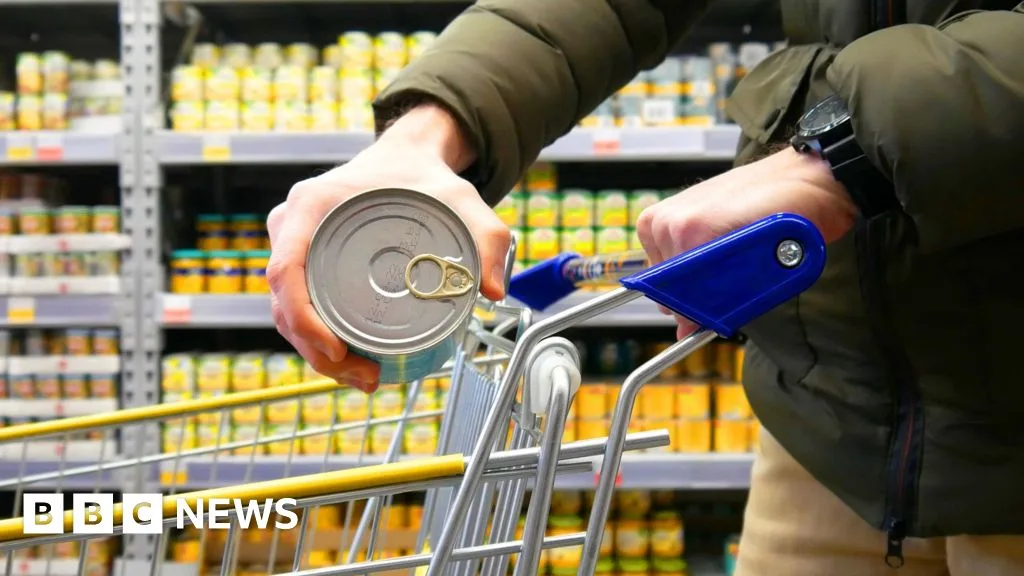
The launch of the UK government's emergency preparedness campaign "Be Ready" on 22 October immediately affected household spending patterns. Research data from Worldpanel by Numerator showed a surge in sales of emergency essentials in the first ten days after the campaign, with hand sanitizer sales soaring 83%, bottled water up 67%, and canned and jarred food up 37%.
The campaign encourages people to keep three days' worth of food and water supplies to anticipate disruptions to essential services caused by extreme weather or cyber attacks. Wet wipes, torches, and cash are also recommended. Nevertheless, Worldpanel stressed that the surge was not panic buying. Instead, more households added items from the government checklist to their weekly shop.
Worldpanel's analysis revealed that after the campaign, the equivalent of an additional 400,000 people per day bought canned meat, but the average purchase quantity remained 500 grams. This pattern shows that people are stocking up gradually rather than hoarding large amounts at once. "Shoppers clearly took notice of the 'Be Ready' campaign, but this is not panic buying. Fewer than a third of households bought bottled water in October," said Fraser McKevitt, Head of Retail and Consumer Insight at Worldpanel by Numerator.
McKevitt added that the growth occurred because more people added the recommended items to their weekly shop, not because shoppers filled their trolleys. "This is very much in line with what the government wanted," he said. Further evidence came from food company Princes, which reported higher demand for canned tuna, meat, and vegetables after the campaign. Princes interim CEO Giuseppe Mastrolia said the surge in demand "further reinforces the relevance of our core categories in providing affordable, nutritious, and convenient food solutions."
The "Be Ready" campaign itself warns that extreme weather and cyber attacks can disrupt essential services. Prime Minister Andy Burnham stressed that everyone should have "supplies at home to get through those moments." However, experts assess that the UK still lags far behind other European countries such as France, Germany, Denmark, Sweden, and Norway in terms of preparedness. Lucy Easthope, a disaster recovery expert, previously told the BBC that the UK was "playing a big game of catch-up" on preparedness.
Calls for the government to take food security more seriously are also growing. In October, more than 180 experts signed an open letter to Burnham and Foreign Secretary Louise Haigh, asking that local authorities be given a duty to prevent and respond to food supply emergencies. They highlighted the government survey finding that 29% of people in the UK cannot afford to keep several days' worth of food supplies. The group argued that responsibility for food stockpiling should not rest solely on households but also on the state.
The "Be Ready" campaign has succeeded in raising awareness of the importance of emergency preparedness at the household level. However, a bigger question still hangs in the balance: will the government take further steps to ensure national food resilience, or continue to rely on individual initiative? In the Indonesian context, which also faces the risk of natural disasters and supply disruptions, this lesson from the UK can serve as a mirror of how important synergy between public education and inclusive policy is.