
Police Chief Reveals Listyo Sigit's Role as End User of Prabowo Wiretapping
Baca dalam 60 detik
- Kapolri Jenderal Suyudi Ario Seto menyatakan Listyo Sigit Prabowo berperan sebagai end user dalam penyadapan ilegal terhadap Presiden Prabowo dan tokoh nasional.
- Penyidik menjerat empat tersangka dengan pasal berlapis, termasuk penyadapan, penghapusan data elektronik, dan akses ilegal, dengan ancaman hingga 10 tahun penjara.
- DPR memanggil Kapolri untuk meminta pertanggungjawaban, sementara penahanan para tersangka dilakukan secara bertahap hingga akhir November 2026.
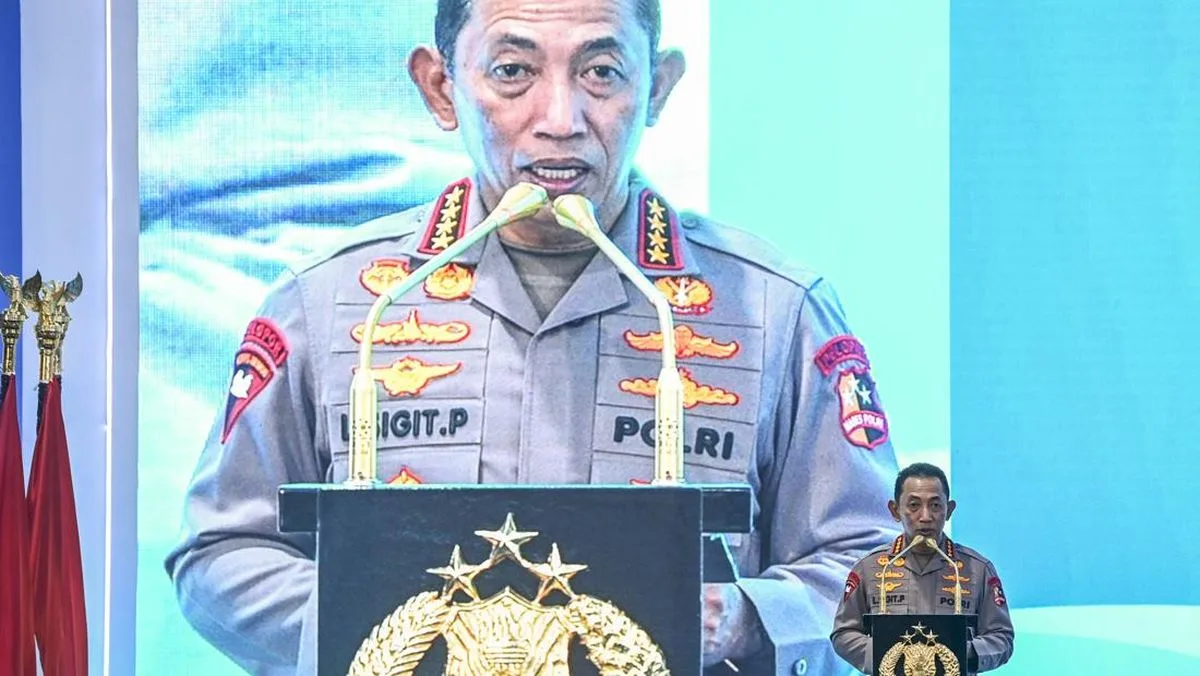
National Police Chief General Suyudi Ario Seto revealed that former National Police Chief General Listyo Sigit Prabowo acted as the end user of the illegal wiretapping of President Prabowo Subianto and several national figures. Suyudi made the disclosure during a working meeting with the House of Representatives' Commission III on Thursday (12/11), which immediately thrust the name of a top police official into the spotlight.
According to Suyudi, Listyo's role was not merely passive. Investigators suspect Listyo gave orders and set wiretapping targets verbally or via WhatsApp messages to the Head of the Monitoring Division (Kabagmon) AS. The orders were then executed without the proper investigator request procedure. In the investigation materials, Listyo's role is linked to the alleged act of mobilizing others to commit a criminal offense.
Besides Listyo, investigators named three other suspects: Inspector General Ahrie Sonta Nasution (Head of the Police Legal Division), Inspector General Eko Hadi Santoso (Principal Widyaiswara at Sespim Lemdiklat Polri), and Inspector General Slamet Uliandi (former Head of the Police ICT Division). Slamet, who served as Head of the ICT Division from 2021 to October 2026, is suspected of being on the advisory board of the Polri Monitoring Center that approved the wiretapping and forwarded daily reports and analyses to Listyo. Meanwhile Eko Hadi, as acting Kabagmon from 5 December 2024 to 7 October 2025, is suspected of receiving wiretapping orders from Slamet and giving approval via WhatsApp without an investigator request letter. As for Ahrie Sonta, acting Kabagmon from 7 October 2025 to 1 October 2026, he is suspected of forwarding Listyo's orders to operators, reporting the results, ordering surveillance, and deleting voice data and logs as well as disbanding a WhatsApp group.
The case came to public attention after the Criminal Investigation Department at National Police Headquarters named a total of four suspects. What makes it sensitive: the wiretapping targeted President Prabowo Subianto, not just internal police circles. If the investigators' allegations are proven, this would be a rare precedent—a former National Police Chief suspected of abusing intelligence authority to surveil the number one person in the republic.
"General LSP, who served as National Police Chief during the period of the incident, is suspected of giving orders and determining wiretapping targets verbally or via WhatsApp to Kabag Mon AS and of being the recipient of the final results or end user of the wiretapping," Suyudi said before lawmakers.
From a governance standpoint, the disclosure underscores weak internal controls over wiretapping procedures within the National Police. Wiretapping should go through investigator requests and layered authorization, not verbal instructions or short messages. Investigators also highlighted the alleged deletion of electronic evidence and the disbanding of a communication group—an indication of efforts to cover tracks that could worsen the suspects' position.
For the public, the question is not merely who received the wiretapping results, but how far this practice has been going on. The House, as the holder of the oversight function, needs to push for transparency in the legal process without interfering in the investigation. Meanwhile, National Police Headquarters is required to maintain the independence of the investigation so that this case does not end as an internal drama of the corps.
Going forward, the detention schedule running until the end of November 2026 will be the first test: whether investigators can complete the case files on time, or instead face political obstacles. More importantly, the public is waiting to see whether this case produces systemic reform in the oversight of state instruments, or merely becomes a dark note forgotten after the court ruling.


