Dolvi Solossa, Young Blood of a Legendary Lineage Starting to Shine in the U-17 National Team
Baca dalam 60 detik
- Dolvinus Theofilus Bochrit Solossa menjalani debut sebagai starter Timnas Indonesia U-17 saat mengalahkan Filipina 3-0 di Kualifikasi Piala Asia U-17 2027.
- Ia merupakan putra mantan bek Timnas Ortizan Solossa dan keponakan legenda Persipura Boaz Solossa, meneruskan tradisi keluarga di sepak bola nasional.
- Bersama Garuda United U-18, Dolvi mencetak empat gol dan tiga assist dari tujuh laga, menandakan potensi lini depan masa depan Indonesia.
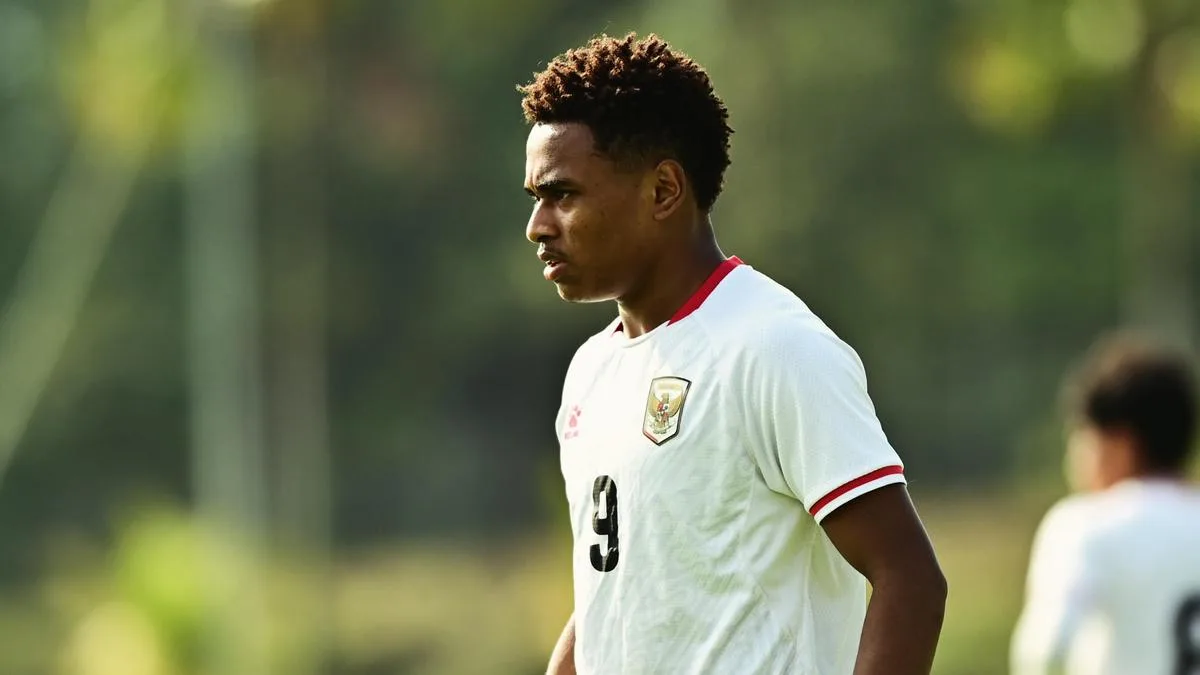
The name Dolvinus Theofilus Bochrit Solossa caught the attention of Indonesian football fans after he was trusted to start in the Indonesia U-17 national team's match against the Philippines U-17 in the 2027 U-17 Asian Cup Qualifiers. The debut appearance of the 16-year-old is not just an ordinary note, but a sign that the Solossa lineage—one of the most influential surnames in Indonesian football history—has again sent a representative to the international stage.
Dolvi, as he is familiarly known, is the son of Ortizan Solossa, a former player who had a long career at Persipura Jayapura, PSM Makassar, and Persija Jakarta between 1997 and 2014. Ortizan is known to have played for the Indonesia national team and collected three Liga Indonesia titles: two with Persipura and one with PSM. However, Dolvi's playing position does not follow in his father's footsteps as a full-back or wingback. He instead emulates the style of his uncle, Boaz Solossa, by playing as a winger.
Boaz himself is a figure who has long been an icon of Persipura and the Indonesia national team. Throughout his professional career, the man nicknamed Bochi won four Liga Indonesia trophies, scored 245 goals in 425 appearances for Persipura, and contributed 48 caps and 12 goals for the Indonesia national team between 2004 and 2018. Dolvi's presence in the Garuda Muda squad seems to continue a family relay that has long been rooted in Papua's football culture.
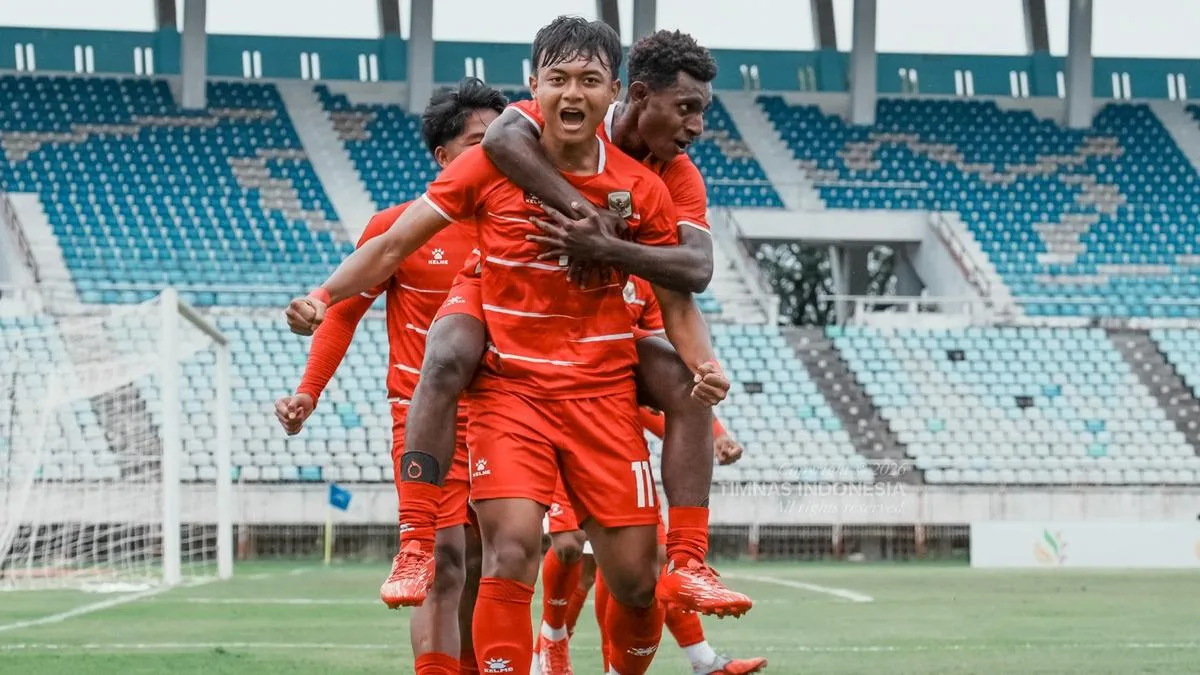
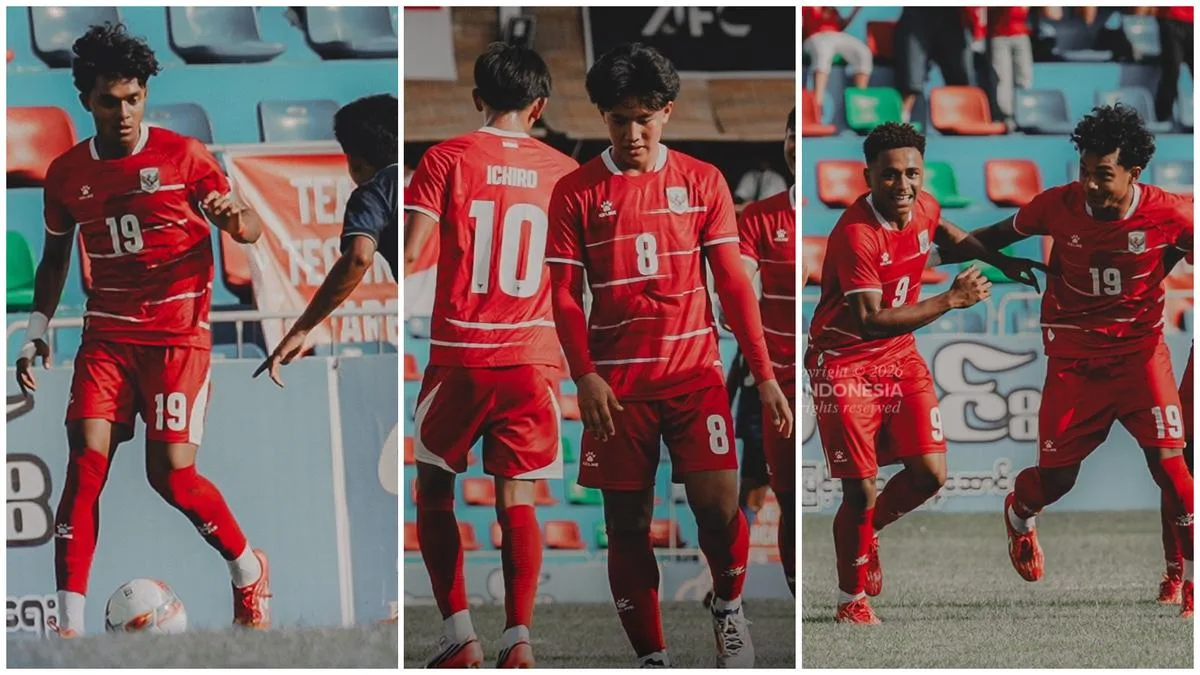
In the second matchday of Group A, Dolvi, wearing the number nine shirt, started from the first minute. Although he did not score, his contribution in building attacks helped Indonesia U-17 secure a convincing win. The U-17 national team coach is said to see rapid development in this young player, especially in off-the-ball movement and the ability to execute tactical instructions.
"Dolvi has a good attacking instinct and keeps developing. He is still young, but has shown maturity in making decisions on the pitch," said a national football observer who declined to be named.
Dolvi's progress at the junior level is also inseparable from the role of the Papua Football Academy (PFA), an academy focused on developing young talents from Tanah Papua. Through a loan program to Garuda United U-18—a club that houses U-17 national team players to compete in the Elite Pro Academy (EPA) One—Dolvi gets more competitive playing time. Last season, he recorded four goals and three assists in seven appearances, a promising figure for an attacking midfielder.
For Indonesian football, Dolvi's emergence is a breath of fresh air amid the federation's efforts to build a sustainable national team foundation. The Solossa clan has proven to produce quality players, and the presence of this third generation strengthens the narrative that grassroots development in the regions—especially outside Java—is key to future achievements. PSSI is also expected to consistently give space for young talents like Dolvi to keep developing, not merely to fill out the squad.
Going forward, Dolvi's biggest challenge is to prove that his name is not merely an inheritance. With the 2027 U-17 Asian Cup qualifiers still long, he has a stage to forge himself and chase the standards set by his father and uncle. Indonesian football fans are certainly waiting to see whether Dolvi can become a true successor of the Solossa lineage, or even surpass his extended family's achievements.