Not Just the Obese: Type 2 Diabetes Stalks Young, Slim Bodies
Baca dalam 60 detik
- Dokter endokrinologi menemukan banyak pasien diabetes tipe 2 berusia muda dengan berat badan normal, bahkan kurus.
- Resistensi insulin akibat pola makan tinggi gula dan lemak serta kurang gerak menjadi pemicu utama, bukan semata obesitas.
- Deteksi dini lewat cek gula darah rutin dan pengelolaan berat badan menyeluruh dinilai kunci menekan risiko komplikasi organ.
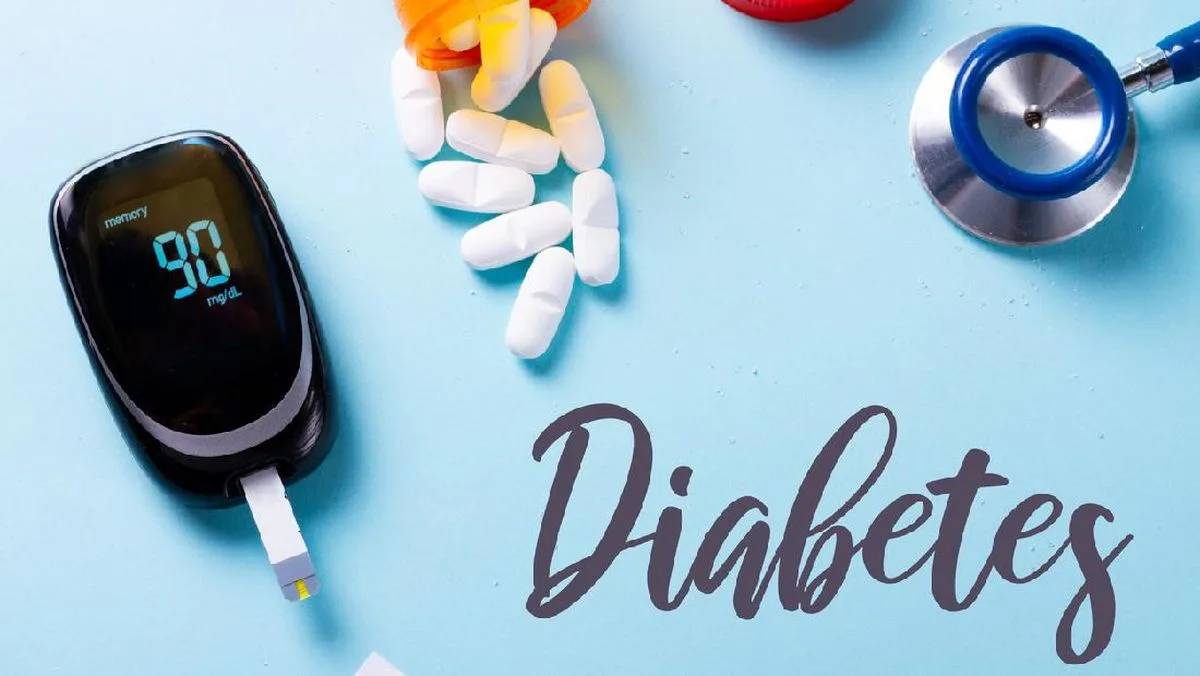
Type 2 diabetes mellitus has long been associated with an obese body image. However, internal medicine specialist and endocrinology consultant Wismandari Wisnu has revealed a different reality: she increasingly encounters young type 2 diabetes patients with relatively slim bodies. This finding overturns the assumption that a normal weight means freedom from the threat of this metabolic disease.
In a media discussion marking World Diabetes Day held by Novo Indonesia in Jakarta on Friday (13/11), Wismandari said insulin resistance is the root of the problem. This condition, in which the body can no longer use insulin efficiently, can strike anyone regardless of body shape. In its early phase, this metabolic disorder is often silent and symptom-free, so patients feel healthy even though their blood sugar levels are already out of control.
Heredity does play a role. A person with a parent or sibling who has diabetes has a higher risk. However, genes are not the only determinant. Diets high in sugar and fat, lack of physical activity, and the environment also increase the likelihood of insulin resistance. This means that individuals with no family history and a slim body can still fall into the trap of type 2 diabetes if their lifestyle is poor.
Wismandari stressed the importance of screening for risk early rather than waiting for symptoms to appear. "We should not wait until the symptoms are felt. We want to intervene while still in the risk factor phase," she said. Symptoms to watch for include excessive thirst, frequent urination, easy hunger and fatigue, unexplained weight loss, and wounds that are slow to heal. Routine blood sugar checks are recommended, including for those who are not obese.
The treatment approach has also shifted. If diabetes therapy once focused solely on blood sugar numbers, doctors now consider the risk of complications in organs such as the heart, kidneys, liver, eyes, and blood vessels. "The target should not be just blood sugar; the target is what the complications are," Wismandari said. Weight management is an inseparable part because many patients also have obesity that worsens insulin resistance.
"Even though there are very good drugs now, non-pharmacological therapy should not be forgotten," Wismandari stressed.
Echoing this, Associate Director Medical and Regulatory Novo Indonesia Riyanny Tarliman stated that blood sugar and weight management need to go hand in hand. According to her, maintaining both aspects plus choosing therapy suited to the patient's condition will provide optimal benefits, including protection of internal organs.
For Indonesia, this finding is an alarm. The prevalence of type 2 diabetes continues to rise, and fast-paced urban lifestyles—marked by consumption of highly processed, sugary foods and minimal movement—are widening the at-risk population. Mass screening at primary health facilities and early nutrition education are a shared task. Without that, the burden of non-communicable diseases will erode productivity and inflate the cost of national health insurance.
Looking ahead, the question is simple: will people wait for symptoms to appear before seeking a check-up, or start making blood sugar checks a routine habit? That choice determines how large a wave of type 2 diabetes this country will have to bear.