Burnham Pledges Rapid Reform for Nearly a Million Young Britons Out of Work
Baca dalam 60 detik
- Perdana Menteri Andy Burnham berkomitmen mempercepat implementasi rekomendasi laporan Alan Milburn tentang pekerjaan dan kaum muda, dengan fokus pada perluasan dukungan kerja dan reformasi tunjangan.
- Laporan Milburn menargetkan penghematan hingga £13,8 miliar dalam satu dekade, tetapi hanya menghasilkan penghematan bersih £200 juta per tahun pada 2036 setelah memperhitungkan belanja pendukung.
- Pemerintah akan membiayai penuh kursus college untuk usia 16-18 tahun di Inggris mulai 2027/28, sementara oposisi mengkritik lambatnya realisasi penghematan.

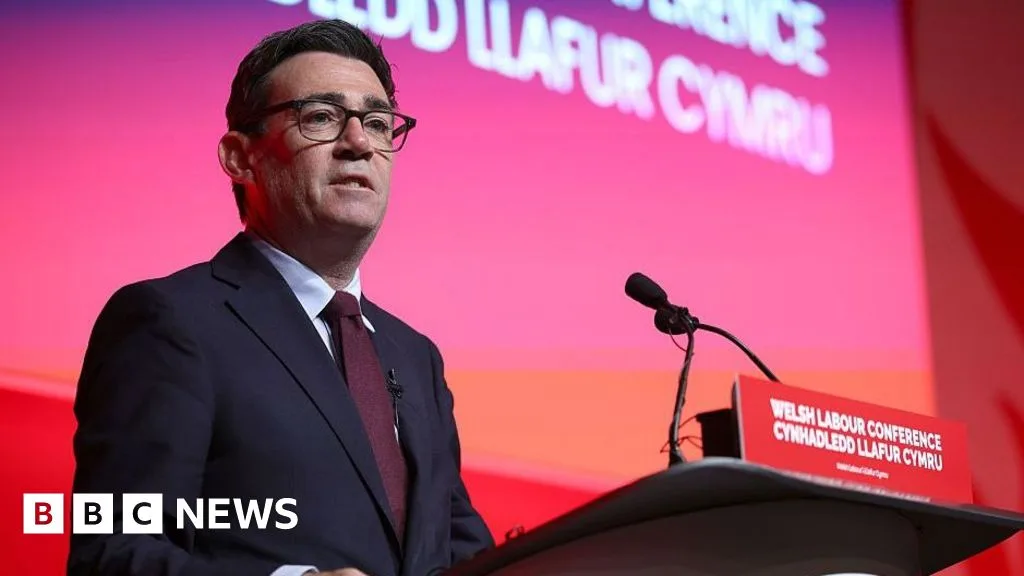
Prime Minister Andy Burnham has vowed not to delay labour reform for young people, following the publication of Alan Milburn's report recommending a series of major changes. In an interview with BBC Breakfast, Burnham said he wanted to realise the recommendations immediately rather than wait for long-term reform promises. “This is not about waiting forever, I want to get on with it now,” he said.
The Milburn report, which Burnham praised as a “landmark moment”, urges expanded employment support for those under 25, an overhaul of the benefits system, early intervention in schools, and tax cuts for companies that hire young workers. The government said it supports the principles of the report and will soon detail which proposals it will adopt. The move comes as the number of young Britons not in employment, education, or training (NEET) approaches nearly one million.
Burnham stressed that his approach differs from mere budget cuts. “No one can feel comfortable with hundreds of thousands of young people relying on benefits,” he said. But he stressed the need for a comprehensive response that takes individual circumstances into account, including housing, debt, and mental health, rather than the blunt cuts offered by other parties. He also targets reducing the NEET rate “as quickly as possible” and plans to offer a 45-day job placement for every 16-18-year-old who wants one, while seeking funding for the programme.
Criticism came from Opposition Leader Kemi Badenoch, who argued there was no need for an “expensive government scheme to fix Labour's own mistakes”. She stressed the need to reduce the cost and risk of hiring young workers. During Prime Minister's Questions, Badenoch questioned how long it would take to deliver savings. “The Prime Minister is not planning savings over 10 years. We cannot wait 10 years. Those young people need jobs now,” she said. Burnham responded by saying he would work as quickly as possible to lower the welfare bill, and has asked the cabinet to “reprioritise spending plans” next year to fund new job placements.
In addition, the government announced full funding for college courses for 16-18-year-olds in England in 2027/28. The College Association welcomed the move because it allows its members to take on thousands of additional students each year with confidence that the funds will be available. Currently, college funding in England lags, so colleges receive funds each September for students enrolled the previous September. This condition forces colleges to accept more students than they are funded for or turn away applicants. However, the Department for Education has not collected data on how often this happens or how many students ultimately end up in the NEET category.
In his report, Milburn warned that employer national insurance contributions, wage costs, business rates, and employment protections could be factors deterring companies from hiring young workers without experience. “Decent pay, greater job security, and predictable hours matter,” he said, but added that the cost and complexity of hiring young people had risen sharply. On workers' rights, Burnham argued for balance: “The more you strengthen job security, the more durable jobs are created and the more young people are likely to stay.”
Efforts to change the welfare system under Sir Keir Starmer's leadership last year failed after Labour MPs rejected £5 billion in benefit cuts over concerns about their impact on disabled people. Now, signs of opposition to Burnham's plan have not been significant, although some Labour members and the Unison union warned that the benefits proposals could push young people into poverty. The Liberal Democrats' work and pensions spokesperson, Steve Darling, called on the government to “scrap the damaging jobs tax” and work with European countries to grow the economy. Meanwhile, Green Party MP Sian Berry urged ministers to “reject cuts” for young disabled people. “One million young people need help – not help that pulls the chair out from under them,” she said. Reform UK called immigration the “elephant in the room” and called for cuts to employer national insurance for British workers so that “young Britons are at the front of the queue for new jobs”.
With the political landscape heating up, the big question is whether Burnham's promise to move quickly will materialise soon, or stumble over internal debate and opposition pressure. What is clear is that nearly a million young Britons are waiting for a policy that not only talks about savings but also offers a real path to work and a better future.