Bitcoin Pressured Ahead of US CPI Data: Year-End Rally Hinges on ETF Flows, Not Just Inflation
Baca dalam 60 detik
- Harga Bitcoin melemah di bawah $75.000 saat pasar menanti rilis CPI Oktober yang diprediksi melambat.
- Analis menilai pelonggaran inflasi hanya memberi kelegaan sesaat; pemulihan berkelanjutan butuh arus masuk ETF spot yang konsisten.
- Level support krusial di $73.000 menjadi penentu arah: tembus ke bawah berpotensi membuka pelemahan menuju $68.000.

Bitcoin is being tested again ahead of the release of US October consumer inflation (CPI) data, one of the factors determining the direction of risk assets at the end of the year. In early Tuesday trading, the largest cryptocurrency moved around $74,750, down about 0.6% since midnight UTC, after briefly touching $75,000 in the previous session. The market appears to be holding back, waiting for a figure that could provide relief or instead trigger a fresh wave of selling.
The Dow Jones consensus expects monthly CPI to rise 0.3%, while core inflation, which excludes food and energy components, is expected to increase 0.2%. Both are lower than September, which recorded 0.6% and 0.3% respectively. However, this report does not include a year-on-year comparison because the government shutdown in October last year prevented the Bureau of Labor Statistics from compiling a full index, so there is no comparable annual figure.
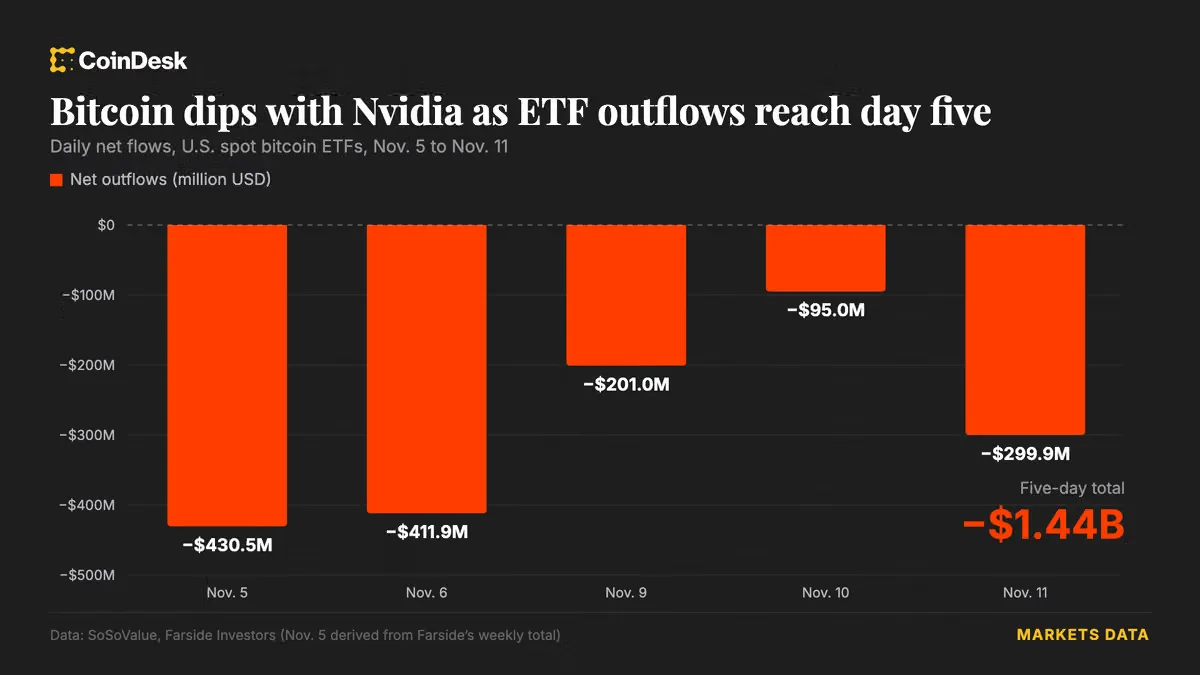
For Bitcoin, this data arrives at a fragile moment. Since reaching a peak above $87,000 in early October, the price has entered a mild downtrend amid concerns over the artificial intelligence sector weighing on Wall Street. Spot Bitcoin ETFs, which bulls have relied on to sustain the rally through year-end, have lost steam. As a result, the market now depends on broader macro conditions and spot buying to regain momentum.
Several analysts warn that a softening inflation report will only provide temporary relief. According to BRN research, easing inflation expectations does help risk assets, but Bitcoin needs actual buying, not a fleeting stroke of luck. "Until ETF flows turn positive and The Fed adopts a dovish stance, the path of least resistance is still down," a BRN analyst said, as quoted.
A similar view came from Bitget Wallet. In its email, the analyst team said this week's inflation data adds to the market's tests. A hotter figure could reinforce expectations of a December rate hike, while softer core inflation could trigger a relief rally. "But a lasting Bitcoin recovery will depend on improved liquidity and spot demand, not merely on macro relief," they wrote.
"For capital-intensive AI projects, higher funding costs and longer approval times can lower returns even when demand meets expectations," said Utkarsh Ahuja, founder of Moon Pursuit Capital.
Ahuja also highlighted remarks by San Francisco Fed President Mary Daly, who opened the possibility of further rate hikes. He argued that investors should not assume The Fed will soon come to rescue the market. Persistent inflation, he added, could limit the central bank's policy room to provide support, even if technology stocks weaken. For companies that need fresh capital before existing projects generate cash, execution risk and uncertainty over financing rates become two burdens at once.
On the technical side, BRN projects that a daily close below $73,000 could trigger momentum-based selling toward $70,000, with the potential for a deeper decline to the July low below $60,000. They view a bounce from below $74,000 as merely a pause in the downtrend, not a reversal. Bitget Wallet also flags the $73,000–$74,000 range as the main support zone. Stabilization, according to them, requires more balanced derivative positioning and sustained positive ETF flows, while a breakout and sustained hold above $80,000 would be a stronger demand signal.
"A decisive break below $73,000 could open the door to $68,000. If $68,000 also fails to hold, the selling indicates more than just temporary leverage liquidation," a Bitget Wallet analyst said.
For Indonesian investors, Bitcoin's movement and this US macro data remain relevant. The rupiah exchange rate and capital flows into domestic risk assets are often affected by global sentiment, especially when US financial markets are turbulent. Nevertheless, domestic market participants should note that Bitcoin's main catalyst today is not only inflation but also global liquidity dynamics and institutional demand through ETFs. Without improvement in those two factors, a year-end rally may be difficult to realize.
Looking ahead, a series of US data releases will continue to test the market: the producer price index (PPI) on 13 November, The Fed meeting minutes on 18 November, and the PCE report on 25 November. The question is whether the crypto market can break free from the shadow of tight monetary policy, or sink deeper if the $73,000 support gives way. The answer will become clear in the coming weeks.