Guterres at COP31: Fossil Fuels Must Go Extinct, but Industry Lobbying Stands in the Way
Baca dalam 60 detik
- Sekretaris Jenderal PBB Antonio Guterres menyerukan penghentian total bahan bakar fosil dalam pidato iklim terakhirnya di COP31 Turki.
- Ia menyoroti peran lobi industri fosil yang dinilai menghambat transisi energi, dengan pernyataan tajam bahwa dinosaurus punah tanpa lobi.
- Pernyataan ini menekan negara-negara untuk mempercepat aksi iklim, namun implementasi di tingkat nasional masih menjadi ujian.

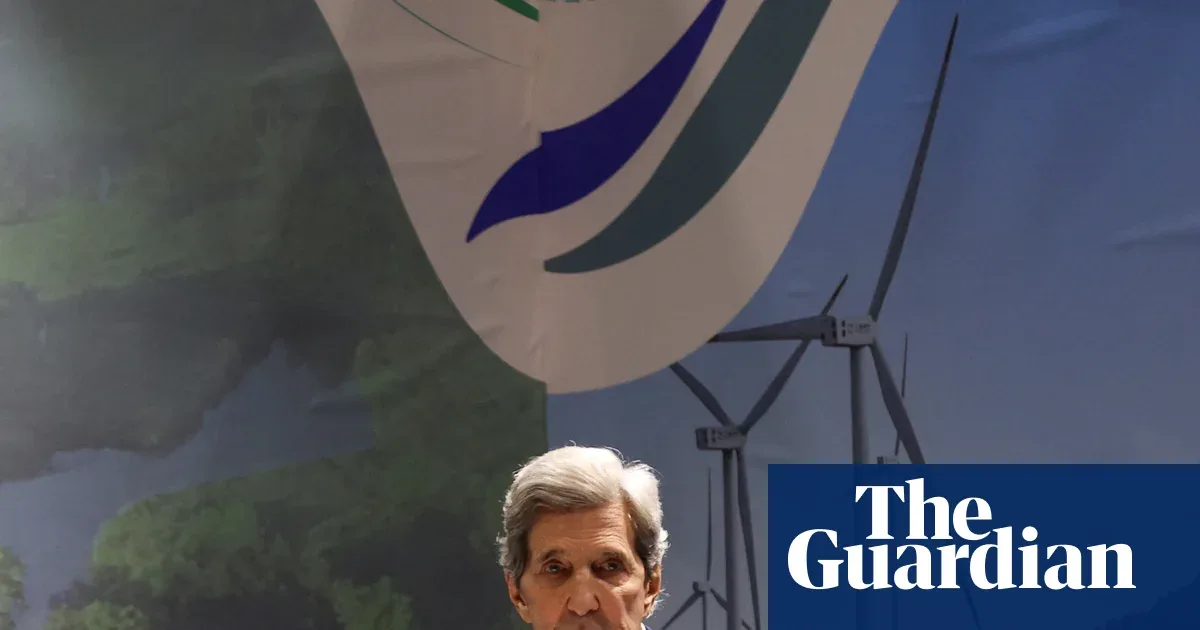
Antonio Guterres used his final climate speech as UN Secretary-General to launch an open attack on the fossil fuel industry. Speaking at the COP31 Climate Change Conference in Turkey, he declared that the era of dirty energy is over and urged countries to commit to a phase-out, not just empty gestures.
“The arguments for fossil fuels are collapsing,” Guterres said, as quoted by The Guardian. He then drew a sharp comparison: “Fossil fuels must go extinct like the dinosaurs. And that will not happen on its own. The dinosaurs had no lobby. Fossil fuels do.”
The statement was not mere rhetoric. Guterres explicitly accused the industry lobby of being a force slowing the global energy transition. He called for accelerating emissions cuts and ending the “addiction” to fossil energy. In his speech, he also used a wordplay to convey urgency: “It is time to make or bake” — a pun on “make or break” emphasizing that decisions at COP31 will determine the direction of global warming.
The speech is a significant marker because Guterres will leave his post at the end of the year. Throughout his tenure, he consistently urged more ambitious climate action, but always ran up against the political reality in many countries that still depend on coal, oil, and gas. The call to “break the addiction” to fossil fuels is not new, but the COP31 context gives it particular weight: this is Guterres's last chance to press developed and developing countries to raise their emissions targets.
What made his statement different was the emphasis on lobbying. In many climate negotiations, the influence of the fossil fuel industry is often a sensitive issue. Guterres openly stated that the transition will not proceed without confronting corporate interests that have long invested capital in the extractive sector. The statement aligns with criticism from civil society organizations that view COP as often besieged by negotiators with conflicts of interest tied to the fossil fuel industry.
“It is time to stop this habit — and end the addiction to fossil fuels.” — Antonio Guterres, UN Secretary-General
For Indonesia, Guterres's call is relevant given the country's position as one of the world's largest coal producers. The energy transition is a challenge because coal remains the backbone of the national electricity supply. The government has targeted net zero emissions by 2060, but the pace of retiring coal plants still draws criticism as too slow. International pressure such as that voiced by Guterres could influence the direction of domestic energy policy, particularly regarding transition financing and international cooperation.
Going forward, Guterres's speech will be tested by countries' ability to translate rhetoric into concrete policy. COP31 in Turkey still leaves time for negotiators to agree on a final text reflecting the ambition to phase out fossil fuels. However, with industry lobbying still strong, the question is whether the call to “go extinct like the dinosaurs” will become reality or merely a historical record of a climate speech that echoed without follow-up.