Kerry Calls Trump the 'Biggest Loser' for Handing Clean Energy Dominance to China
Baca dalam 60 detik
- John Kerry mengecam keputusan Trump menarik AS dari proses iklim internasional dan memangkas insentif energi bersih, yang dinilainya sebagai kesalahan strategis besar.
- Ketidakhadiran delegasi AS di KTT Cop31 Antalya menjadi sorotan, sementara China terus memimpin pasar teknologi hijau global.
- Pernyataan Kerry menegaskan bahwa isu perubahan iklim masih relevan bagi pemilih AS, dan Partai Demokrat akan menjadikannya agenda utama di masa depan.
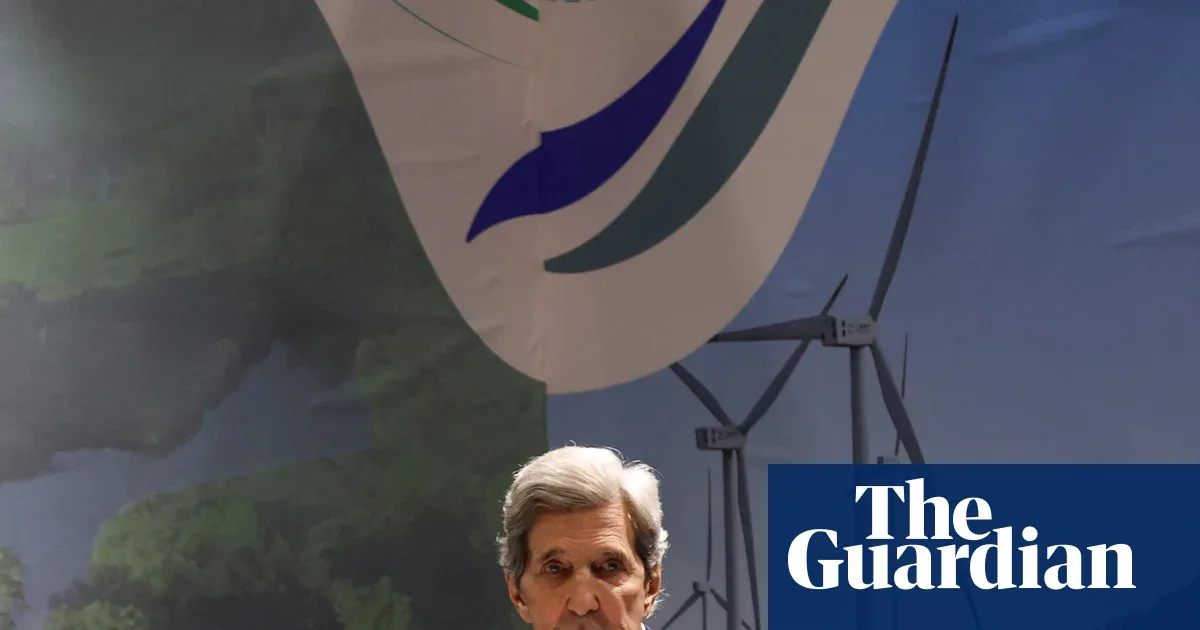
Former United States Secretary of State John Kerry launched a sharp critique of President Donald Trump, calling him "the biggest loser we've ever seen" for rolling back climate action and handing clean energy leadership to China. Kerry made the remarks on the sidelines of the UN Climate Change Conference (Cop31) in Antalya, Turkey, on Tuesday (12/11/2026), as reported by The Guardian.
Kerry, who also served as special climate envoy under President Joe Biden, highlighted Trump's decision to pull the United States out of the international climate process and to slash a range of policies that curb greenhouse gas emissions. Unlike almost every other country, the Trump administration did not send a delegation to Antalya for the annual climate negotiations that began last Monday. The stance underscores Washington's increasingly isolated position in global climate diplomacy.
In his remarks to The Guardian, Kerry responded to Trump's comment calling wind turbines "a big loser" and stating he would not approve wind turbine construction. "The first thing they ought to do is hold up a big mirror so he can see a loser, because he is the biggest loser we've seen in a long time on all of this," Kerry said. He added that Trump "misses the point" because he fails to grasp the competition with China and the market opportunity for goods that could be made in the United States.
Under the Biden administration, the US passed ambitious climate legislation that provided tax incentives for clean energy and electric vehicle manufacturing to compete with China, which dominates green technology. Republicans later repealed most of that support. Trump instead imposed tariffs on a range of goods and poured public funds into propping up dying coal-fired power plants, even though coal is the dirtiest fossil fuel and a major cause of the pollution heating the planet.
Kerry argued that Trump's move is counterproductive to the US ambition to be number one. "He says he wants to beat China, be number one in X, Y or Z, but he leaves the battlefield. He literally takes America out of the sector. So honestly, if you want to be number one, you don't do it by boycotting an entire sector of the economy," he said. Kerry, who was the Democratic presidential candidate in 2004, has repeatedly urged the US and the world to follow China's lead on green energy. Rapid global growth in renewable energy has prevented a large number of fossil fuel plants from operating, and global emissions fell slightly last year. However, UN Secretary-General António Guterres warned that far deeper and larger emissions cuts are still needed to avoid catastrophic climate change, and that it is already "too late" to phase out fossil fuels.
Years of slow progress in climate negotiations, even on merely discussing fossil fuels as the main cause of the climate crisis, have angered activists. Greta Thunberg, the Swedish climate activist who arrived in Antalya on Tuesday, called the Cop summit a "greenwashing circus". "That's the reality," she said. Kerry acknowledged the slow progress and stressed that politicians need to change how they talk about the climate crisis in order to engage the public. Although the issue was not dominant in the recent US midterm elections, Kerry argued that concerns about global warming overlap with worries about rising energy costs and drove voters to the Democratic Party. "I think there will be a number of candidates who put this as a top agenda item," Kerry said of winning Democratic candidates. "And every analysis I've seen, the real analysis, says this was one of the issues that counted."
Meanwhile, the White House flatly rejected the Cop31 summit. A White House official said the meeting "denies reality by failing to acknowledge that extremist climate policies are destroying countries around the world" and confirmed the administration would not send anyone to Cop31. The statement reflects the widening gulf between Washington and the international community in efforts to address the climate crisis.
For Indonesia, the dynamics at Cop31 and the US stance have direct implications. As an archipelagic country vulnerable to the impacts of climate change, Indonesia has an interest in major countries remaining committed to climate finance and technology transfer. The US absence could weaken global momentum, but it also opens an opportunity for Indonesia to strengthen its position in the clean energy supply chain, especially with China as a major trading partner. The government needs to monitor the direction of US clean energy policy after Trump, as it will affect technology prices and investment in the domestic renewable energy sector.
Looking ahead, the question is whether US isolation on climate will last long or instead push other countries, including China and the European Union, to take on a greater leadership role. Kerry is optimistic that climate will remain an electoral factor in the US, but without Washington's involvement, global climate targets become harder to achieve. Cop31 may become a test of whether climate multilateralism can still function without one of the world's largest emitters.