Burnham Admits Global Climate Consensus Has Collapsed, Promises 'New Era' of UK Leadership
Baca dalam 60 detik
- PM Inggris Andy Burnham menyatakan konsensus sains dan perubahan iklim telah hilang, namun menawarkan 'era baru kepemimpinan Inggris' di KTT COP31 Turki.
- Inggris menunjuk utusan keamanan iklim pertama dunia, Dame Madeleine Alessandri, untuk merespons ancaman kesehatan dan keamanan akibat pemanasan global.
- Kritik muncul karena kebijakan domestik Inggris dinilai kontradiktif: menyetujui ladang gas Jackdaw dan memangkas dukungan pompa panas, sementara mendorong elektrifikasi global.

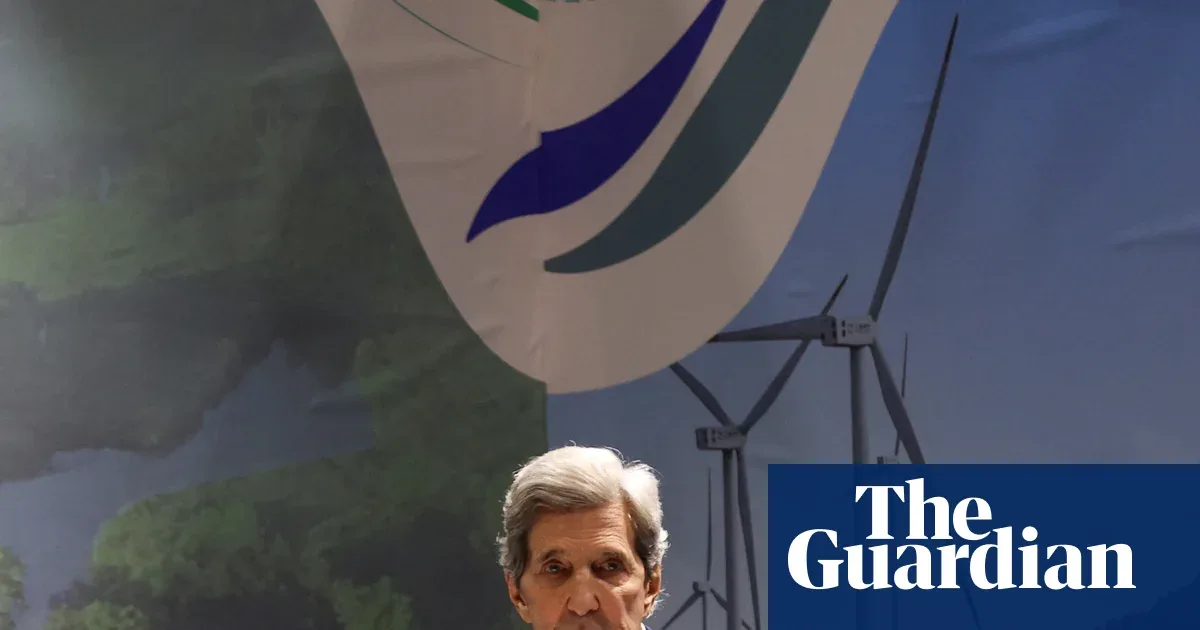
UK Prime Minister Andy Burnham openly acknowledged that the global consensus on climate science and climate change has collapsed. In his speech at the COP31 summit in Turkey on Thursday, he stated that although the world now faces the reality of 1.5 degrees Celsius of warming, the UK is ready to lead with a 'new era of British leadership' on climate issues.
The statement came amid declining participation by world leaders in the COP process. Burnham was the only G7 leader present and speaking at this year's conference, while the United States has been absent since President Trump withdrew the country from the Paris Agreement. It is this leadership vacuum that the UK is trying to fill, albeit with a domestic record that has been questioned.
In his speech, Burnham opened by highlighting the hottest summer ever recorded in the UK, which according to the Met Office was 130 times more likely to occur because of climate change. Hundreds of schools were closed, cereal harvests fell 11 percent, and ambulance services were overwhelmed by calls exceeding those during the Covid-19 pandemic. These facts, he said, are no longer distant warnings—but a direct threat to people's health and homes.
In response to the threat, Burnham announced the creation of the world's first climate security envoy position, entrusted to Dame Madeleine Alessandri. The former head of the Joint Intelligence Committee stressed that climate change and biodiversity loss are increasingly shaping the UK's security environment, and putting additional pressure on global resources, economies, and communities. The appointment is seen as a strong signal of the UK's priorities as it holds the G20 presidency next year.
"The Prime Minister is right to identify climate change as a global security threat, and the importance of investing in clean power generation as the best way to protect households and businesses from high prices and volatile fossil fuel markets," said Professor Lord Nicholas Stern, an economist who two decades ago warned of potential losses of up to 20% of global GDP due to climate change.
However, the leadership promise immediately drew criticism from environmental activists. Beth John, Oxfam's climate adviser, said Burnham was applying double standards. "The Prime Minister cannot call for clean electricity around the world while approving more fossil fuels in the UK," she said. The criticism refers to a series of UK domestic policies in recent months: approval of the Jackdaw gas field in the North Sea on energy security grounds, budget cuts to the Warm Homes Program that supports heat pump installation, and speculation that the government is considering weakening electric car sales targets.
These policies could erode the UK's credibility on the global stage. The 2050 net zero target reaffirmed by Burnham requires accelerated electrification—replacing gas boilers with heat pumps and switching to electric vehicles—which is precisely what has been targeted for budget cuts. On the other hand, Turkey as co-host of COP31 is pushing a global commitment for 35% of energy supply to come from electricity by 2035, up from about one-fifth today. Without consistency in domestic policy, the UK risks losing influence in climate negotiations.
Beyond Burnham's speech, attention turned to small island states such as Tonga, Tuvalu, and the Solomon Islands, which spoke on the same day. For them, the impact of climate change is already at their doorstep: rising sea levels are forcing many residents to leave their homes. Australia, co-host of COP31, has even opened the world's first climate visa for Tuvalu residents who want to relocate—the initial quota was filled by more than a third of the population. The World Meteorological Organization noted that global sea levels were at the highest point in history on the opening day of the conference.
The message from King Charles III, read before Burnham's speech, implied a similar assessment: "Our children and grandchildren will not judge us by the promises made, but by what we choose to do." The question now is whether the UK can align its global ambitions with domestic policies that often run counter to them, or whether it will instead widen the gap between rhetoric and reality at COP31.