Razer Soma Pro: A $999 Gaming Chair with Haptics and Spatial Audio, Worth It?
Baca dalam 60 detik
- Razer resmi menjual Soma Pro seharga US$999, menggabungkan enam motor haptik, speaker THX Spatial Audio, dan pencahayaan RGB Chroma dalam satu kursi.
- Harga tersebut terbilang mengejutkan karena sebelumnya diperkirakan mencapai US$1.400, sementara versi Soma Chroma dibanderol US$499.
- Kehadiran kursi gaming premium ini berpotensi memicu tren periferal imersif di pasar global, termasuk Indonesia, meski daya belinya terbatas.
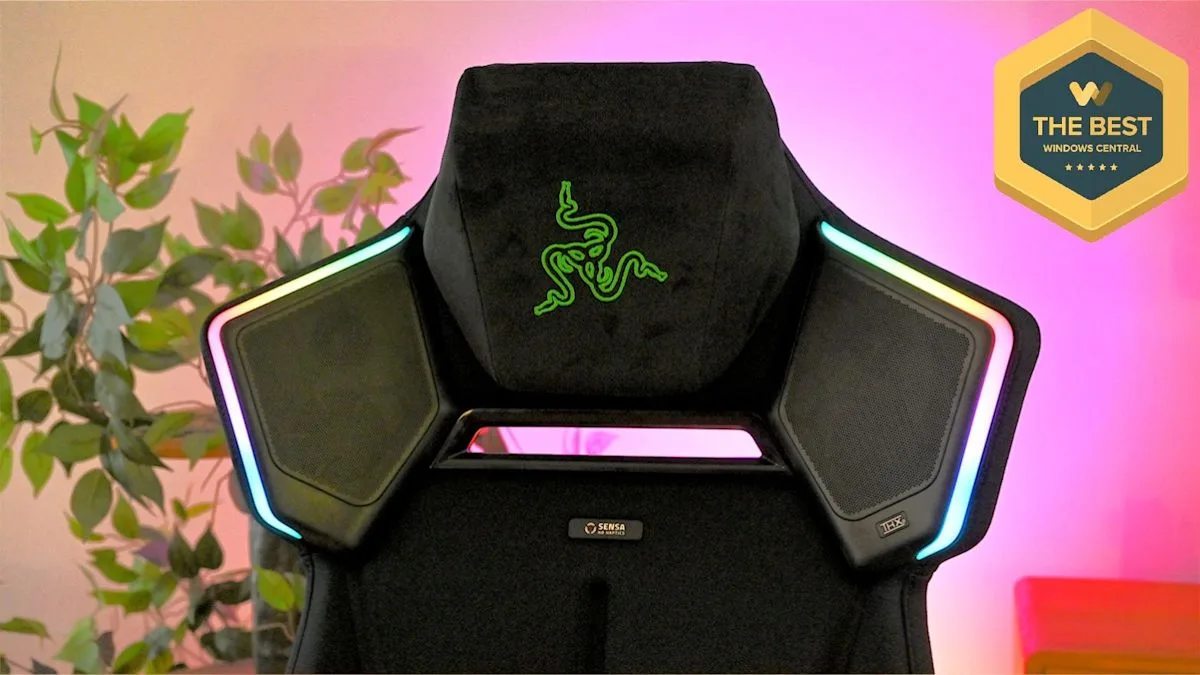
Razer has officially launched the Soma Pro, a $999 gaming chair that integrates six Sensa HD haptic motors, a THX spatial audio system, and Chroma RGB lighting. The price is far lower than the initial estimates of several observers who expected the device to exceed $1,400, placing it among the most advanced gaming chairs while remaining within reach of hardcore fans.
The chair is the realization of Project Madison, which was showcased at CES 2026. The concept is simple yet ambitious: making the chair part of the gaming experience, not merely a place to sit. Razer appears to want to dispel the notion that gaming chairs are only about thick foam and aggressive design. The Soma Pro adds a new dimension through vibrations synchronized with content and sound that surrounds the player.
In terms of price, the Soma Pro does occupy the premium segment. For comparison, the Freyja haptic cushion alone sells for $299, while the Soma Chroma costs $499. With the addition of THX speakers, six haptic motors, 4D armrests, and an aluminum frame, the $999 price is reasonable for those who want an immersive experience without having to assemble many separate peripherals.
In testing, the Soma Pro shows that haptics are not merely a gimmick. The Audio-to-Haptics feature can analyze ordinary audio and turn it into vibrations, so films, music, and games without native Sensa support still feel alive. Razer also includes Synapse software that makes it easy to adjust intensity, the equalizer, and lighting synchronization with other Chroma peripherals. Its build quality also drew praise, especially the magnetic head cushion that makes adjustment easy without straps.
"I did not expect the Soma Pro to be so captivating. The haptics are not just a novelty that quickly wears off, and the speakers genuinely deliver immersive sound," the reviewer wrote in the original article.
Even so, there are some caveats. The lumbar support system on the Soma Pro is fixed, unlike the adjustable Iskur V2. For users who prioritize long-term ergonomics, this feature may be a consideration. In addition, the chair weighs 63.3 pounds (about 28.7 kg), heavy enough to move on your own, though assembly is fairly easy, at only about 25 minutes.
In the Indonesian context, the arrival of the Soma Pro adds to the list of premium gaming peripherals entering through official distributors or online sellers. With a fluctuating Rupiah exchange rate, the domestic retail price could reach Rp18-20 million, depending on taxes and shipping costs. Indonesia's fast-growing gaming market, especially among professionals and streamers, may see this product as a status symbol as well as a work tool. However, limited purchasing power makes it more relevant as a display item or a review subject on local technology channels.
Razer itself appears to want to build a modular chair ecosystem. The Soma Chroma ($499) for RGB lighting, the Soma Sensa HD Haptics ($569) for vibrations, and the Soma Pro ($999) as the most complete variant. This strategy allows consumers to choose according to budget, while also expanding the user base. On the other hand, this move could prompt competitors such as Secretlab or Herman Miller to offer similar features, making the premium gaming chair segment increasingly competitive.
Going forward, the question is no longer whether gaming chairs can have haptics and spatial audio, but how quickly this technology becomes standard. If Razer succeeds in convincing the market that the $999 investment is worth the gaming experience it offers, a wave of similar innovations may soon follow. For Indonesian consumers, waiting for a more affordable version or an end-of-year discount may be the wiser strategy.