Guterres Leaves COP31 with a Warning: Climate Action Is the Core of Civilization
Baca dalam 60 detik
- Sekretaris Jenderal PBB António Guterres menegaskan bahwa perubahan iklim bukan isu sektoral, melainkan fondasi seluruh kerja organisasi dunia.
- Kepergian Guterres meninggalkan ketidakpastian arah kebijakan iklim PBB, sementara negosiasi COP31 masih bergulat dengan target elektrifikasi dan transisi energi.
- Dominasi lebih dari 100 entitas terkait fosil di forum COP31 memicu kritik keras dari masyarakat sipil yang menilai ruang partisipasi tidak seimbang.

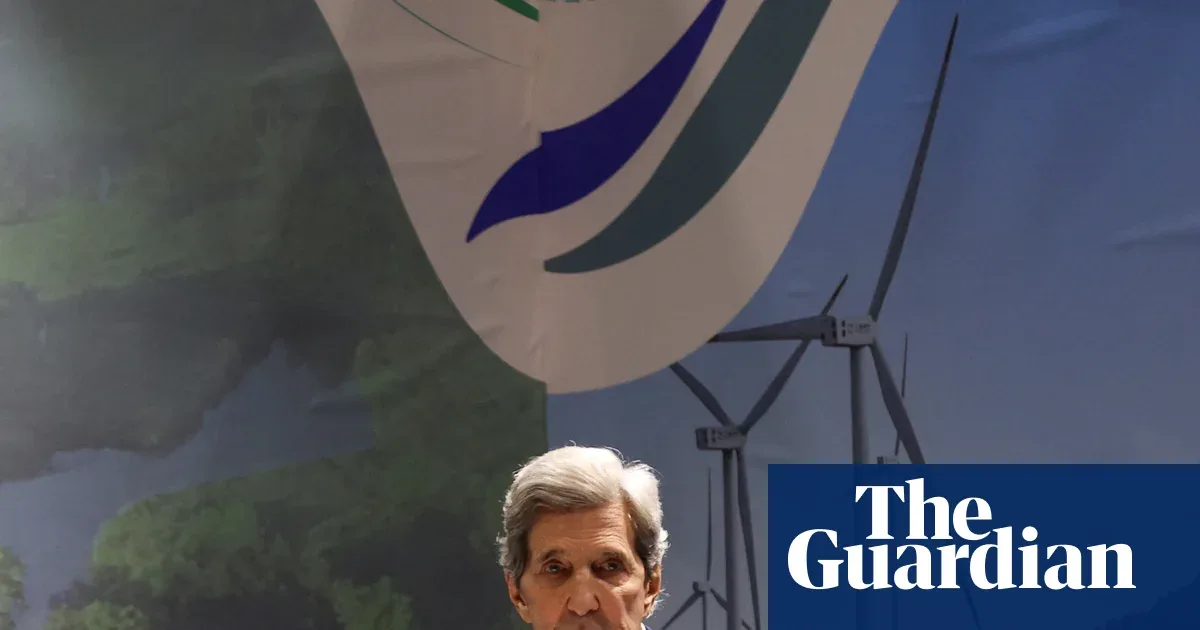
António Guterres closed out his term as Secretary-General of the United Nations with an unusual message: climate change is not one agenda item among many, but the center of the entire agenda. At his farewell press conference at the COP31 summit on Friday (13/11/2026), he stated that world peace is impossible on a burning planet.
The statement was not empty rhetoric. Guterres, who steps down at the end of December, has for years been known as the most vocal Secretary-General in attacking fossil fuel companies and slow-moving governments. He repeatedly stressed that the climate crisis worsens inequality, drives displacement, and erodes development gains built over decades.
What made the speech even sharper was its context. Most of the more than 90 heads of state attending COP31 had already left the venue, leaving negotiators to discuss technical issues such as electrifying the global economy and a just transition for fossil industry workers. Guterres thus became one of the few world leaders still present—a symbol that he does not want to let go of his climate message so easily.
The leadership change at the UN adds another layer of uncertainty. To date, there is no confirmed name to replace Guterres, especially after Donald Trump tried to intervene in the selection process by pushing his preferred candidate. Concerns have surfaced: will Guterres's successor keep climate at the forefront, or shift it to the back for other, more pragmatic issues?
Guterres seems well aware of that risk. He explicitly conveyed a message to his successor not to abandon climate commitments. According to him, climate change cannot be confined to one sector—it seeps everywhere, triggers social anger, forces people to flee, widens state budget deficits, and sharpens competition over resources such as land and water. In that logic, climate action is not a choice but a prerequisite for global stability.
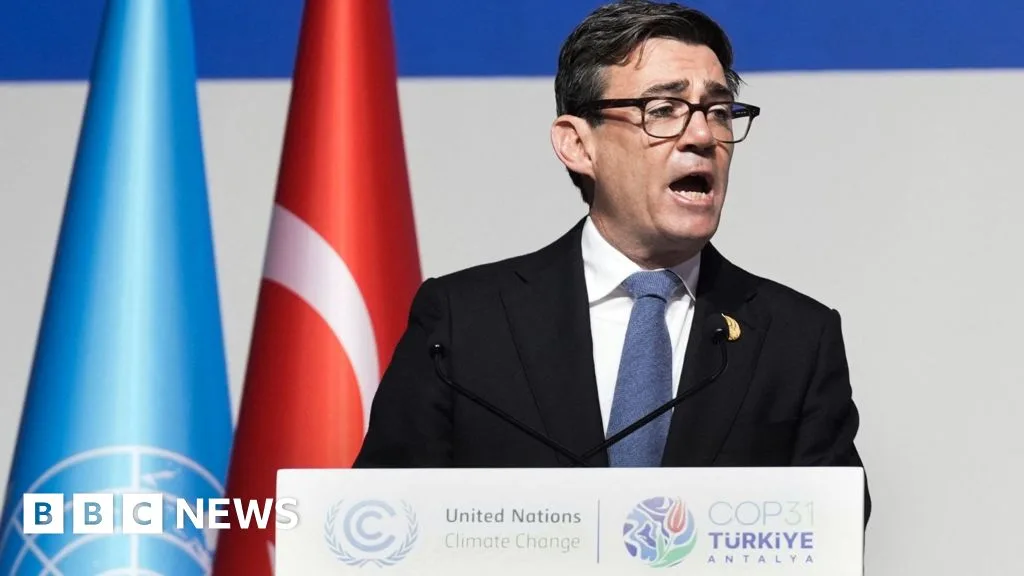
Meanwhile, the course of negotiations at COP31 remains full of twists. The co-presidency of Australia—which, unusually, leads the talks even though Turkey is the host—has released a "reflection" document summarizing countries' proposals since Monday. The document serves as a loose basis for the first draft of the cover decision, which has long been the main outcome of every COP. History shows that similar documents have produced major commitments: COP26 in Glasgow in 2021 yielded the coal "phase down" agreement, while COP28 in Dubai in 2023 produced a global pledge to transition away from fossil fuels.
Australia's Minister for Climate Change and Energy Chris Bowen, who is leading the negotiations, stressed that the reflection document is not yet the final negotiating text. "Nothing is decided or locked in it," he said, adding that his side is ensuring all countries are heard. Countries still have until Saturday night to submit responses, and the official draft of the cover decision is expected only early next week.
On the other hand, the presence of more than 100 fossil-related entities at the COP31 forum has drawn criticism. Prakash Dalal of Pro Public/Friends of the Earth Nepal argued that the space given to major polluting companies is too large compared with civil society and country delegations. According to him, the loss of livelihoods, trauma, and survival challenges experienced by communities due to pollution are not commensurate with the access enjoyed by corporations.
For Indonesia, the dynamics of COP31 are not merely distant spectacle. As an archipelagic country vulnerable to sea-level rise and extreme weather, Indonesia's position depends heavily on climate funding commitments from developed countries. The global electrification and energy transition targets discussed at COP31 also intersect directly with the domestic energy transition agenda, including plans for early retirement of coal-fired power plants. If the COP31 cover decision is weakened, pressure on developing countries to finance their own climate adaptation will grow heavier.
The question now is: will Guterres's farewell message become a legacy that is safeguarded, or merely a brief echo before the world returns to its own busy interests? The answer will begin to emerge from the contents of the cover decision draft next week—and from who ultimately takes the seat of the next UN Secretary-General.