UK-EU Deal Cuts Food Export Costs, But Store Shelf Prices May Not Fall
Baca dalam 60 detik
- Pemerintah Inggris mengklaim kesepakatan baru dengan Uni Eropa memangkas biaya ekspor pangan dan memberi dorongan £17 miliar per tahun bagi ekonomi.
- Meski jaringan ritel menyambut baik, mereka menolak menjanjikan penurunan harga jual akibat langsung dari kesepakatan tersebut.
- Perjanjian ini dianggap sebagai cetak biru bagi sektor lain, tetapi masih menyisakan pertanyaan tentang kedaulatan regulasi dan dampak nyata bagi konsumen.

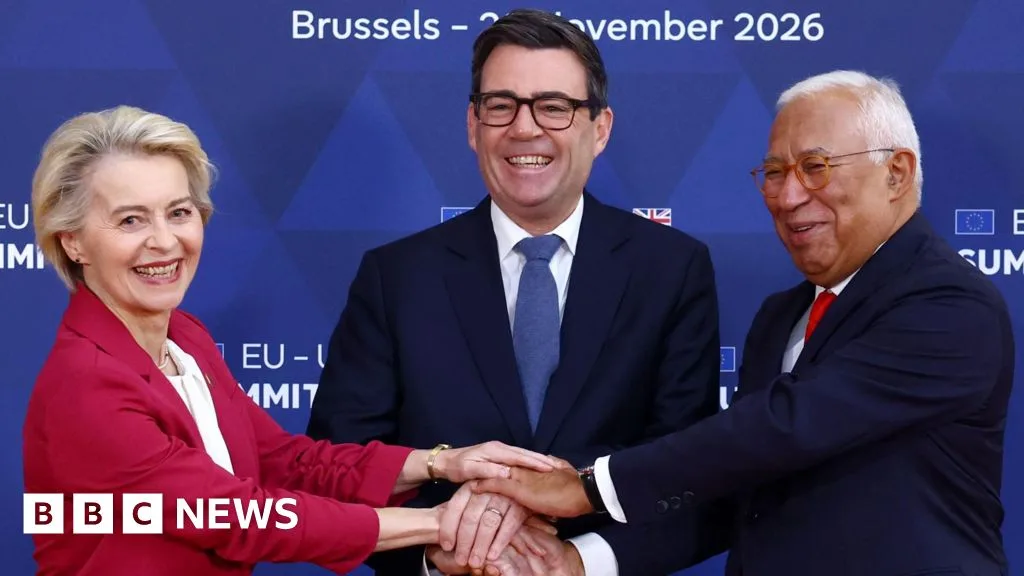
UK Prime Minister Keir Starmer announced a new agreement with the European Union that is claimed to cut costs for businesses and consumers. However, the promise of lower prices on supermarket shelves remains far from reality. Major retail chains welcomed the move, but none committed that the savings would be passed on to shoppers.
The deal agreed on Friday (28/3) does remove various administrative barriers that have long burdened food exporters. Marks & Spencer Managing Director Alex Freudmann called it a "big step forward" that eliminates bureaucracy. He gave a concrete example: sending spaghetti Bolognese from Lincolnshire to store shelves in Dublin has until now involved hundreds of extra miles, piles of paperwork, veterinary signatures, and even the requirement to list the Latin name of the cow. Meanwhile, Tesco CEO Ken Murphy described the deal as "good news for British farmers and producers".
Even so, industry players privately acknowledge that cost reductions will not necessarily affect retail prices. There are too many factors influencing the global economy, especially energy price shocks caused by conflict in the Middle East. The hope that savings will be passed on to consumers is more wishful thinking than certainty. The government itself previously floated the idea of supermarket brand discounts, but the idea was met with collective bewilderment in the industry.
The biggest beneficiaries of this deal are food exporters, especially small businesses that have struggled to break into the EU market. Hundreds of pages of documents are no longer required, perishable goods no longer lose precious time at checkpoints, and mistakes in ink color or the Latin name of meat no longer derail shipments. On the other hand, however, food imports from outside the EU may face inspections and additional costs.
Critics argue that the fiscal benefits do not account for the price to be paid: the need to align with EU law. Farmers highlight compliance with pesticide and fungicide regulations. The classic example of the benefits of post-Brexit autonomy is the development of precision-bred food, such as tomatoes enriched with vitamin D. Producers of this technology actually support the deal after the government negotiated an "exception period" for ongoing sales. Professor Cristobal Uauy of the John Innes Centre said that "aligning with the EU market will bring our science to more people".
Overall, the deal does provide a moderate boost, but it is relatively high compared with other post-Brexit trade agreements with Australia, India, Japan, or the Gulf states. In fact, this UK-EU pact matches all those agreements combined in terms of projected growth according to Treasury assessments. However, details remain undisclosed in the full legal text, including a planned electricity agreement that Manchester Mayor Andy Burnham says could cut bills, even though it would require contributions to the EU budget for poorer regions.
The big question: will the logic of granting free access for food in exchange for giving up regulatory freedom be applied to other sectors? Food could become a blueprint for future negotiations, following the strategy of Starmer and Chancellor Rachel Reeves to extend this model to the automotive and chemicals sectors. Economists estimate that this would yield far greater economic gains, but also trigger a fiercer constitutional battle. Will the government dare to go further, or will it stop at food?