Kerry: World Must Follow China on Green Energy, US Risks Losing Competitiveness
Baca dalam 60 detik
- John Kerry menegaskan China telah melesat jauh dalam transisi energi sementara negara lain, termasuk AS, masih tertinggal.
- Dominasi China di rantai pasok teknologi bersih membuat negara-negara otoriter maupun demokratis melirik ekonomi rendah karbon.
- COP31 di Turki menjadi panggung pertama bagi China untuk membuktikan janji kepemimpinan iklim dalam rencana lima tahunnya.
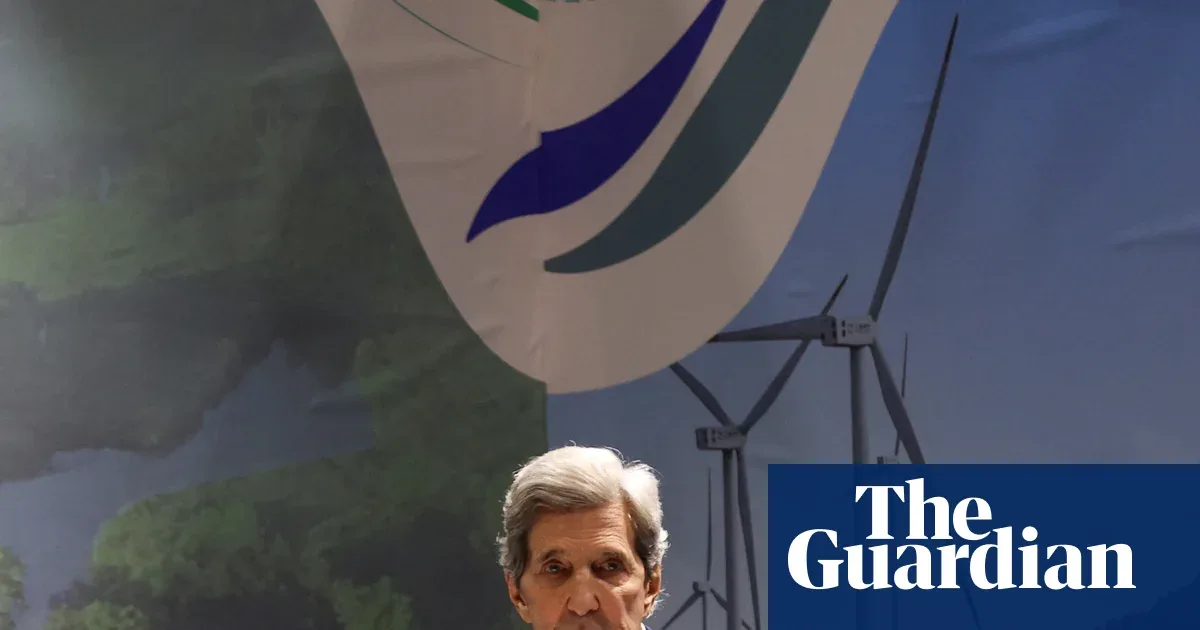
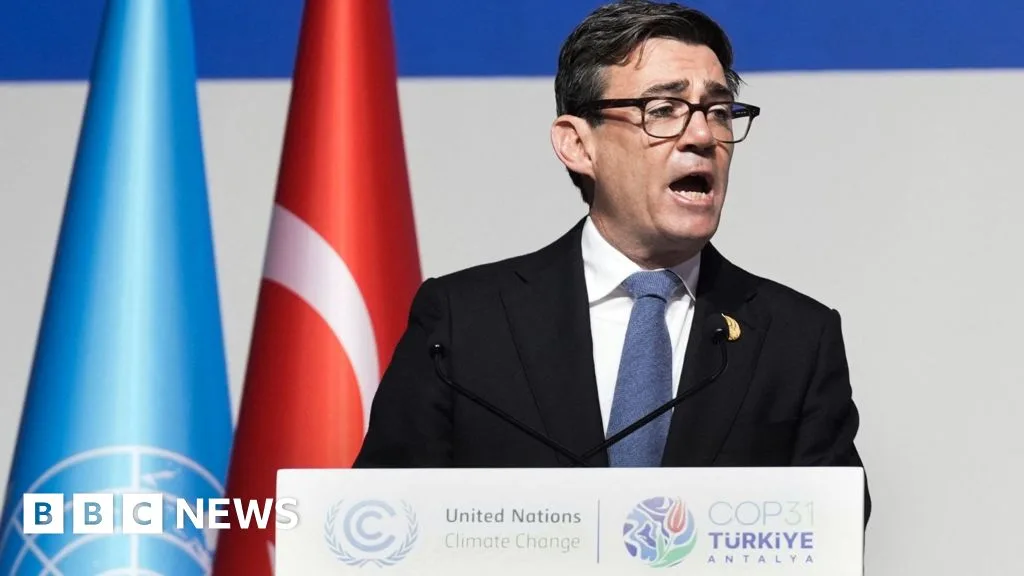
Former United States Secretary of State John Kerry delivered sharp criticism of his own country and much of the world: while China sprints away from fossil fuels, other nations are stumbling along. Kerry made the remarks as the UN Climate Change Conference (COP31) opened in Turkey, a summit watched for whether Beijing is finally willing to lead rather than merely manufacture solar panels and batteries.
Kerry, now active in climate advocacy, argued that China has recognized its dependence on oil and gas imports as a strategic vulnerability. "Only China is really accelerating. Other countries are still stumbling, while nature keeps sending stronger signals every day," he said, as quoted by The Guardian. He even took a swipe at Donald Trump's role, which he said had actually spurred a surge in renewable energy adoption in various countries due to global supply turmoil.
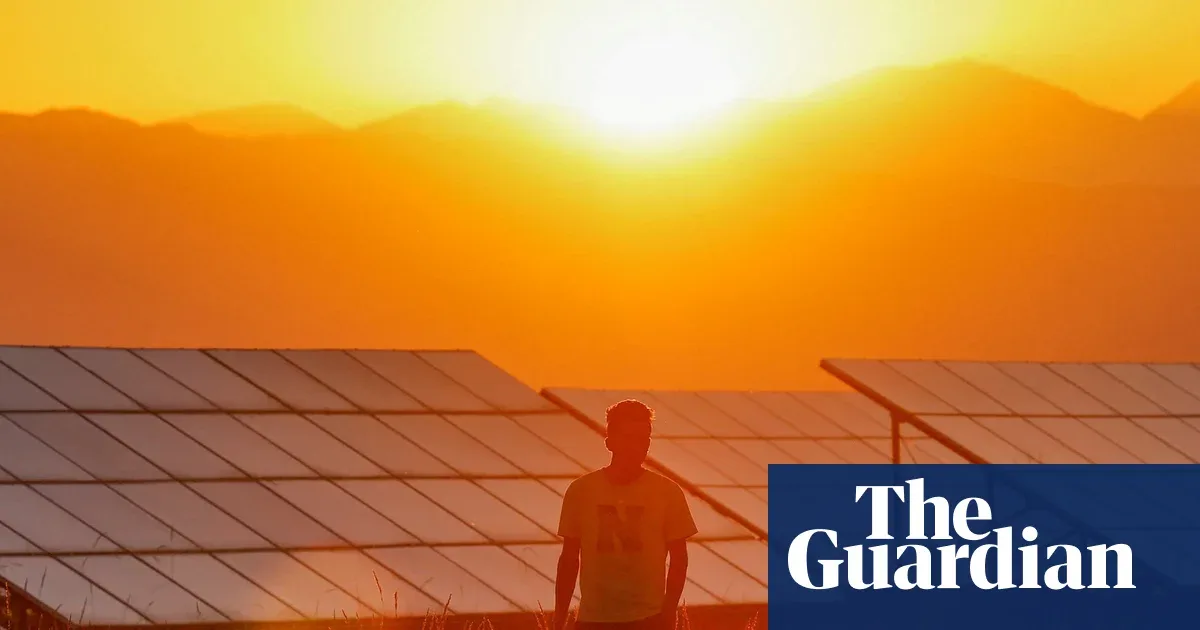
Data backs Kerry's claim. Throughout 2025, China's clean technology exports exceeded US$220 billion, and they are expected to grow again this year. The world's largest emitter now supplies about 85% of global solar panel production capacity and 80% of the lithium-ion battery supply chain. Nearly three-quarters of the electric cars produced worldwide last year came from factories in China. These figures place Beijing no longer as a player following the rules, but as the one setting the direction of the global energy transition.
For Kerry, that dominance is not just about climate but also economics and geopolitics. Countries without free elections, he said, will see for themselves where the market is heading and where energy costs are cheapest. "They can read a spreadsheet. They know that renewable energy plus storage, plus transitional gas, is cheaper and more effective than continuing to depend on fossil fuels," he said. He concluded that the market has chosen electricity as the future, and that shift "cannot be stopped."
Yet China's leadership on the global climate stage remains ambiguous. In the five-year plan approved in March 2026, Beijing for the first time pledged to "actively participate in and lead global climate governance." COP31 is the first test of whether that rhetoric bears fruit in action. Li Shuo of the Asia Society Policy Institute framed China's dilemma: "In a world that once saw climate action as a burden on growth, it is now a driver. China faces a single question: will it lead out of obligation, or out of self-interest?"
Analysts note that China is still reluctant to accept prescriptive global targets, including on electrification, even though it could easily meet them. Kate Logan of ASPI expects China to be satisfied with a relatively cooperative COP outcome without major breakthroughs. "The important thing is no drama," she said. Meanwhile, Yixian Sun of the University of Bath sees a mismatch between Chinese policymakers' view of their role and international expectations. "Global North countries must be ready to accept China's leadership, and so far that has not happened," he said.
For Indonesia, these dynamics have direct implications. China is a major trading partner as well as a source of investment in renewable energy and mineral downstreaming. The value of green energy deals under China's Belt and Road Initiative in the first half of 2026 alone has exceeded the total for all of 2025, with projects in Indonesia, Pakistan, and Kenya among the examples often highlighted by the country's state media. If China truly shifts from technology supplier to architect of climate governance, Jakarta could gain easier access to funding and technology, but also face pressure to align its trade policy and energy transition.
Kerry added that developed countries will lose economic competitiveness if they keep delaying electrification. In the fossil era, the US dollar became the currency for global oil transactions and gave Washington the "privilege" of being the lender of last resort. Now, with China's dominance in the clean technology supply chain, that advantage is fading. "The US position looks more vulnerable," said Isabel Hilton, founder of China Dialogue.
What observers are watching most closely is any signal of whether Beijing will bid to host COP33 in 2028. If it does, that would be the most concrete marker that China is ready to bear the burden of climate leadership, not just enjoy its economic benefits. Until then, the world will keep asking: will the global energy transition proceed with China in the driver's seat, or be held back by Beijing's reluctance to take on a role it has so far avoided?